
Iron makes people give up on a safe hand pump. A simple filter fixes it for a few paise a litre.
In brief
The water comes out of the hand pump clear. An hour later it turns yellow or orange in the bucket. Clothes get stained, rice turns dark and tea tastes of metal. This is iron, and it is the most common complaint about borewell water in eastern and north-eastern India.
The water comes out of the hand pump clear. An hour later it turns yellow or orange in the bucket. Clothes get stained, rice turns dark and tea tastes of metal. This is iron, and it is the most common complaint about borewell water in eastern and north-eastern India.
Iron in water is rarely dangerous on its own. The real problem is what people do next. They stop using the hand pump and go back to open wells or ponds, which carry germs. Removing the iron keeps people on the safe source.
Why the water changes colour
Underground, the iron is dissolved and you cannot see it. When the water meets air, the iron turns into rust and the water goes yellow. Every iron filter uses this. It lets the iron turn into rust on purpose, then catches the rust before you drink the water.
Which filter fits your need
For one home. A 15 litre steel home filter brings iron down to the safe limit for 4 to 5 paise a litre. One model removes arsenic too.
For one home, with almost no running cost. A baked clay filter removes 90 to 95% of iron and almost all the mud. One filter lasts about 3 years.
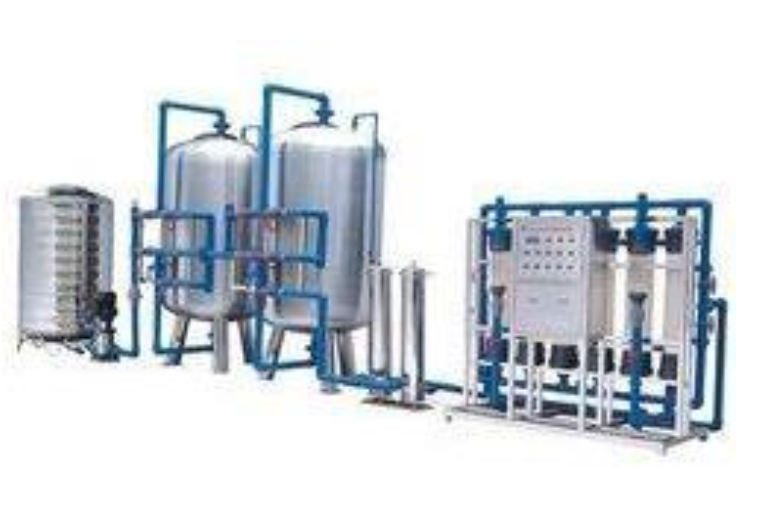
For a village hand pump. An iron removal plant on the hand pump gives 800 litres an hour. That is enough for about 250 people, with no power and no chemicals.
For a school, hostel or small town. A large iron filter gives 3,000 to 3,500 litres an hour for under 2 paise a litre.
Check for mud and arsenic too
In the monsoon, the water may also turn muddy. A cheap filter for muddy water makes it clear again. In the Ganga plains, iron often comes with arsenic. If your test shows arsenic, choose a plant that removes both. An iron filter alone does not reliably remove arsenic.
Keep it working
Iron plants usually stop working for one reason: nobody cleans them. Pick a plant with a simple backwash. Train two people in the village to do it, and fix one day each week. This one habit decides whether the plant lasts two months or ten years.
We test the water, then supply, install and train. See all options in our technology showcase.
Why it matters
Iron is the most common reason village hand pumps stop being used. Fixing it keeps people away from unsafe ponds and open wells.
Sources
Water Channel Problem GuideRead original ↗Full guide on Rispri Labs↗Rispri water technology showcase↗Found an error? See the Corrections Policy.
Image: Unsplash