
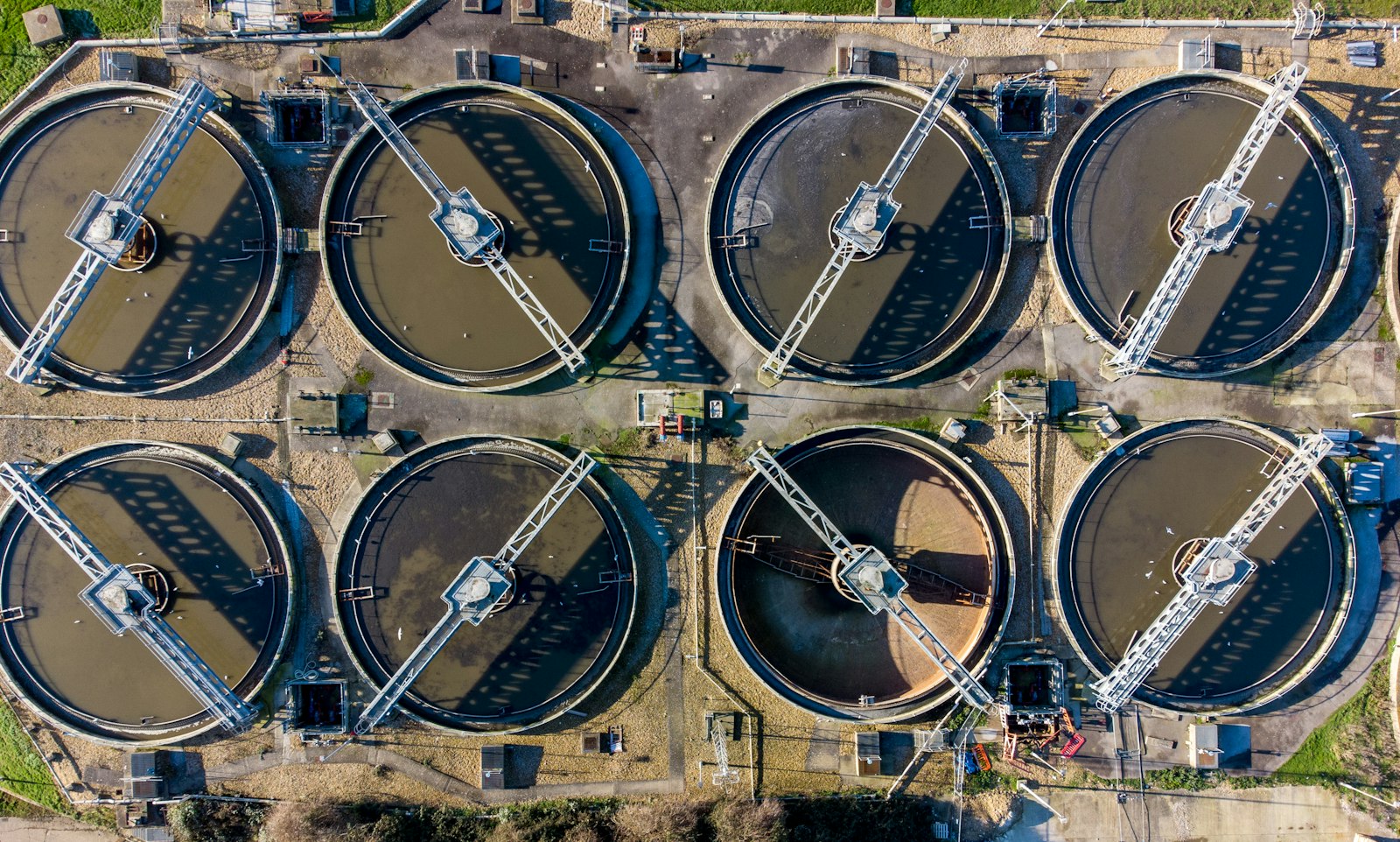
The island's utility is spending almost GBP 2 million on treatment trials to avoid a new plant that could cost GBP 140 million to GBP 210 million.
In brief
Jersey Water says early results from its PFAS treatment trials are promising. At its Augres treatment works, an activated carbon treatment has cut PFAS by 33% across the 48 compounds the utility monitors, the Jersey Evening Post reported on 9 November 2026. Smaller pilots at Handois are testing ion exchange, granular activated carbon and a product called G400+. Chief executive Helier Smith says at least 12 months of results are needed before any choice is made.
Jersey Water, the drinking-water utility for the island of Jersey, has reported early results from trials meant to prepare it for tighter limits on PFAS, the long-lasting chemicals often called forever chemicals. The Jersey Evening Post and Channel 103 both reported the update on 9 November 2026. The island's water currently meets UK and EU PFAS standards. The trials are about what a future, lower limit might require.
What is being tested
At Augres, the utility is testing an activated carbon treatment. Early results show a 33% reduction in PFAS. At the Handois treatment works, smaller pilot trials compare ion exchange, granular activated carbon and a newer product called G400+. The reports describe the first results as promising but say it is too early to know whether any method can meet a future limit reliably and at an affordable cost.
Chief executive Helier Smith told Channel 103 that water quality varies with the seasons and that results also depend on water chemistry and on whether the island's desalination plants are in use. For that reason, the utility will judge performance over a 12-month window and is due to make recommendations by December 2027.
Why the cost question matters
Almost GBP 2 million has been committed to the 2026-27 trials. Earlier engineering work estimated that meeting a very low PFAS limit could require a new treatment works costing about GBP 140 million to GBP 210 million. The trials are meant to show whether the required performance can be reached in a cheaper way, using or adapting existing plants.
The limit itself is still undecided. The Jersey Evening Post reports that a proposal to lower the island's legal PFAS limit in steps was called in for scrutiny and was deemed withdrawn when the debate could not finish before the June election. Smith said the utility supports PFAS regulation but that limits should be set once evidence on cost and feasibility is complete. For utilities elsewhere, including in India where PFAS monitoring is only beginning, Jersey's approach of trialling options on site before committing to a new plant is a useful model.
Why it matters
Small utilities everywhere face the same question as PFAS limits tighten: can existing plants be upgraded, or is a costly new plant needed? Jersey's trials are a practical, low-cost way to find out before spending on new works.
Sources
Jersey Evening Post: PFAS testing helps utility company prepare for stricter regulation (9 November 2026)Read original ↗Channel 103: Early PFAS treatment tests 'promising' says Jersey Water (9 November 2026)↗Found an error? See the Corrections Policy.
Image: Bob Brewer / Unsplash