
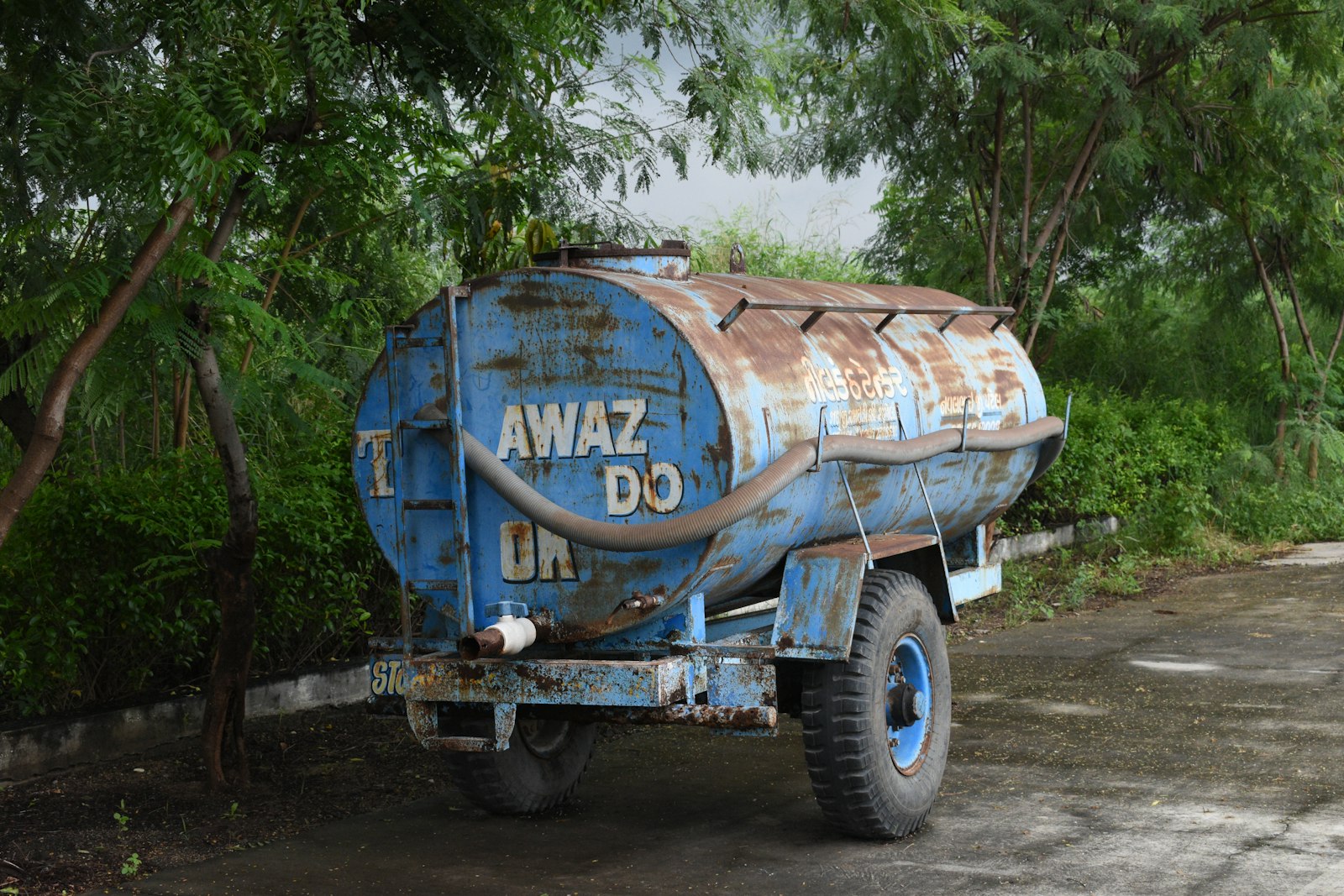
The AMC has spent an estimated Rs 1.71 crore on tankers, which it says only cover pipeline breakdowns, contamination and low pressure.
In brief
Households in 14 Ahmedabad wards across the South-West, North, East and Central zones are relying on water tankers, according to a report published on 31 October 2026. The Ahmedabad Municipal Corporation has arranged more than 35,000 tanker trips at an estimated cost of Rs 1.71 crore, paying Rs 450 per 5,000-litre trip, while officials maintain tankers are only a backup during network failures.
Parts of 14 Ahmedabad wards are depending on water tankers, according to a report published on 31 October 2026 and credited to Times News Service. The affected localities are spread across the city's South-West, North, East and Central zones. The report does not name the wards or give an exact household count, describing those affected as thousands of households.
What the city is paying
According to figures attributed to the Ahmedabad Municipal Corporation (AMC), the civic body has arranged more than 35,000 tanker trips at an estimated cost of Rs 1.71 crore. It pays Rs 450 for each trip of a 5,000-litre tanker. AMC officials say tankers are sent when pipelines break down, during repair work, when supply is contaminated, or when pressure in the distribution network is too low. Residents quoted in the report say some localities need tankers all year, not just during breakdowns.
The civic body's position
The AMC's Water Project Department says tankers are not deployed regularly anywhere and are only a backup during disruptions. The chairman of the Water Supply and Sewerage Committee says Narmada water reaches the whole city, so there is no shortage serious enough to justify new borewells. One resident quoted in the report questioned that claim. The Standing Committee chairman said he plans to curb heavy water use at service stations, paying-guest accommodation, hostels and large residential complexes, and is considering action against illegal connections.
A network problem, not a source problem
Unlike Pune or Hyderabad, where Water Channel has recently reported on falling reservoirs and dry-year rationing, Ahmedabad's officials are not describing a shortage at the source. The causes they list, breakdowns, contamination and low pressure, all sit in the pipes between the treatment plant and the tap. The report frames the issue against the city's plans to host the 2030 Commonwealth Games. It does not say whether its figures come from an RTI reply or another AMC document, or over what period the 35,000 trips were made, so the spending figure is best read as a scale indicator rather than an annual total.
Why it matters
The city says it has enough Narmada water, so the tanker bill points to problems in the pipes, not the source. That is a distribution-network problem, and it is the same one that drives leakage, contamination and low pressure in many Indian cities.
Found an error? See the Corrections Policy.
Image: shubham kumar / Unsplash