
New CPCB technical directive mandates two - stage chemical precipitation SOPs, hexavalent chromium reduction, and toxic metal sludge encapsulation for electroplating and galvanizing facilities.
In brief
The Central Pollution Control Board (CPCB) has released updated 2026 technical guidelines targeting electroplating, anodizing, and galvanizing industries. The protocol details obligatory two - stage chemical precipitation, Cr(VI) to Cr(III) reduction using sodium metabisulfite, and TSDF hazardous waste disposal standards.
Electroplating rinse water carries some of the most stubborn contamination in industrial wastewater - nickel, copper, zinc, cyanide, and hexavalent chromium that doesn't just wash away, it bioaccumulates in groundwater indefinitely if it gets past treatment. CPCB's updated 2026 protocol for metal finishing units is really an attempt to standardise the chemistry that keeps that from happening.
Two - Stage Chemical Reduction & Hydroxide Precipitation
Step one deals with the most dangerous component first: acidic rinse water containing hexavalent chromium gets reduced at pH 2.0 to 2.5 using sodium metabisulfite or ferrous sulfate, converting it into the far less toxic trivalent form. Step two then raises the pH with lime or caustic soda into the precipitation sweet spot for whatever metal is present - 8.5 to 9.5 for copper and nickel, 9.0 to 10.0 for zinc.
Sludge Dewatering, Stabilization & NABL Audit Verification
What's left after precipitation is a metal hydroxide slurry that has to be filter-pressed to at least 30% dry solids, then stabilised with Portland cement or pozzolanic binders so it passes leaching tests before an authorised facility will take it. None of this is a one-time exercise either: units need quarterly laboratory heavy metal testing reports on file just to keep their Consent to Operate current, which makes the testing cadence almost as important as the treatment chemistry itself.
Why it matters
Electroplating rinse waters contain toxic Nickel, Copper, Zinc, Cyanide, and Hexavalent Chromium. Unauthorized discharge into municipal sewers or surface drains causes irreversible bioaccumulation in groundwater and carries criminal penalties under Section 15 of the Environment (Protection) Act.
Sources
Central Pollution Control Board Hazardous Waste DivisionRead original ↗National Green Tribunal Industrial Waste Monitoring Bench↗Found an error? See the Corrections Policy.
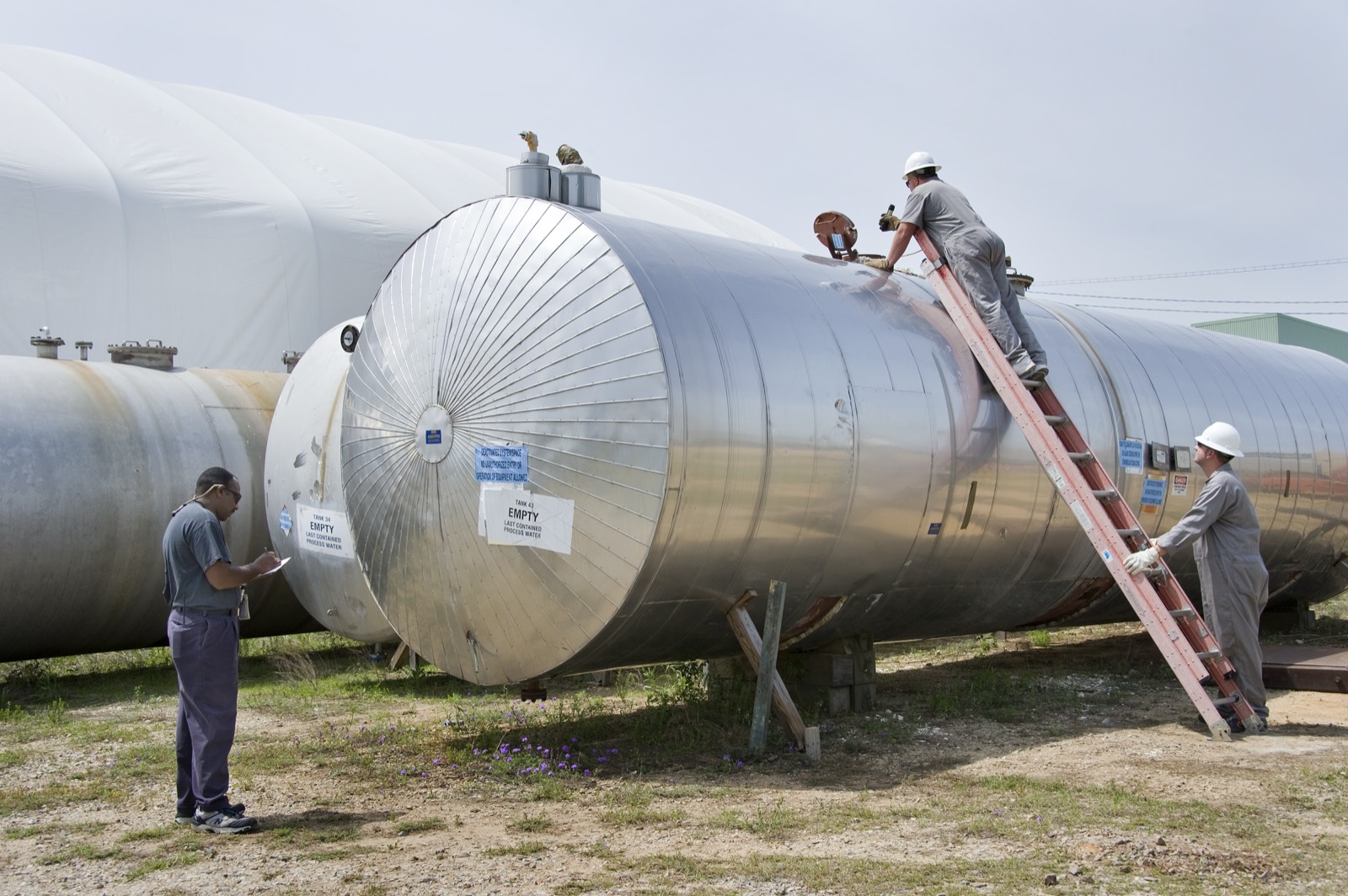
Image: Industrial Chemical Processing & Zero Liquid Discharge Facility