
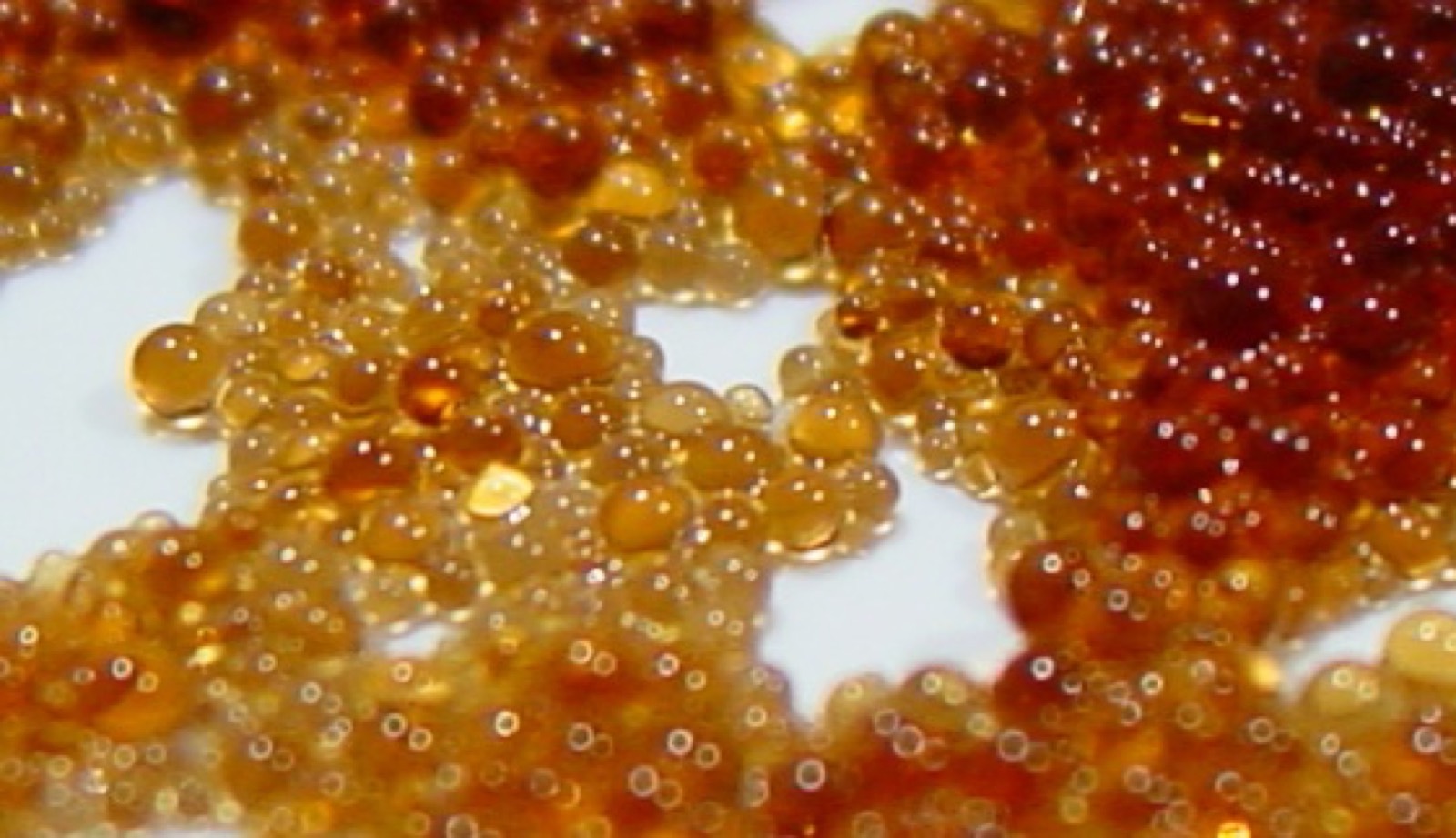
Continuous membrane eluate dewatering eliminates solar evaporation brine loss, preserving fragile high-altitude groundwater balances in Chile and Argentina.
In brief
Commercial operational audits released on October 11, 2026, from Direct Lithium Extraction (DLE) installations in the South American Lithium Triangle confirm that closed-loop membrane circuits achieve 92.4% process water recovery. By utilizing multi-stage nanofiltration and high-pressure reverse osmosis to strip water from lithium-rich eluates, plants return virtually all wash water to the process cycle while reinjecting spent brine into aquifers.
Traditional lithium production in hyper-arid Andean salt flats (salars) relies on massive open-air solar evaporation ponds that consume billions of liters of mineralized brine over 18 months, causing significant drawdown in surrounding groundwater tables and wetland ecosystems. Direct Lithium Extraction (DLE) transforms this into an engineered, closed-loop chemical process.
Selective Adsorption and Membrane Eluate Dewatering
In modern DLE facilities, subsurface brine is pumped through adsorption or ion-exchange resin columns that selectively capture lithium ions within minutes. The lithium is then stripped using a minimal wash of water, creating an eluate stream. Nanofiltration membranes fractionate scaling magnesium and sulfate ions, allowing high-pressure reverse osmosis to concentrate the lithium chloride.
The recovered RO permeate is recycled immediately into the column washing stage, closing the water loop. Meanwhile, the spent, lithium-depleted brine is reinjected directly back into deep salar aquifers at matching hydrostatic density, preserving regional subsurface pressure equilibria.
Minimizing freshwater consumption is critical for mining companies to obtain environmental permits and social license to operate from indigenous communities protecting fragile Andean highland lagoons.
Regulatory frameworks across Chile and Argentina are increasingly mandating 90%+ closed-loop water recovery thresholds for all new lithium exploration licenses.
Why it matters
Eliminates the catastrophic groundwater depletion associated with legacy solar evaporation ponds, unlocking sustainable lithium extraction essential for the global electric vehicle battery transition.
Sources
International Lithium Association (ILiA) Technical Proceedings (October 11, 2026)Read original ↗International Lithium Association Sustainability and Water Stewardship↗Rispri Labs Industrial Membrane Concentration & Water Recycling↗Found an error? See the Corrections Policy.
Image: Industrial Ion-Exchange Resin & Ultrapure Water Demineralization Infrastructure