
With a 20-inch rainfall deficit and Stage 2 restrictions in force since June, the city is buying water from neighbours and may move to Stage 3, which would largely end outdoor water use.
In brief
Durham officials estimate the city has 78 days of accessible water, assuming no more rain and no river inflow, and 147 days of total supply. The city has been under Stage 2 restrictions since 15 June and is buying about 11 million gallons a day from Cary and the Orange Water and Sewer Authority, while pumping about 4 million gallons a day from Teer Quarry.
Durham, North Carolina, is running low on water after months without heavy rain. City officials told ABC11 that Durham has about 78 days of accessible water if no more rain falls and rivers stop flowing in, and about 147 days of total supply. The region is about 20 inches behind on rainfall, according to city water official James Lim.
Buying water from neighbours
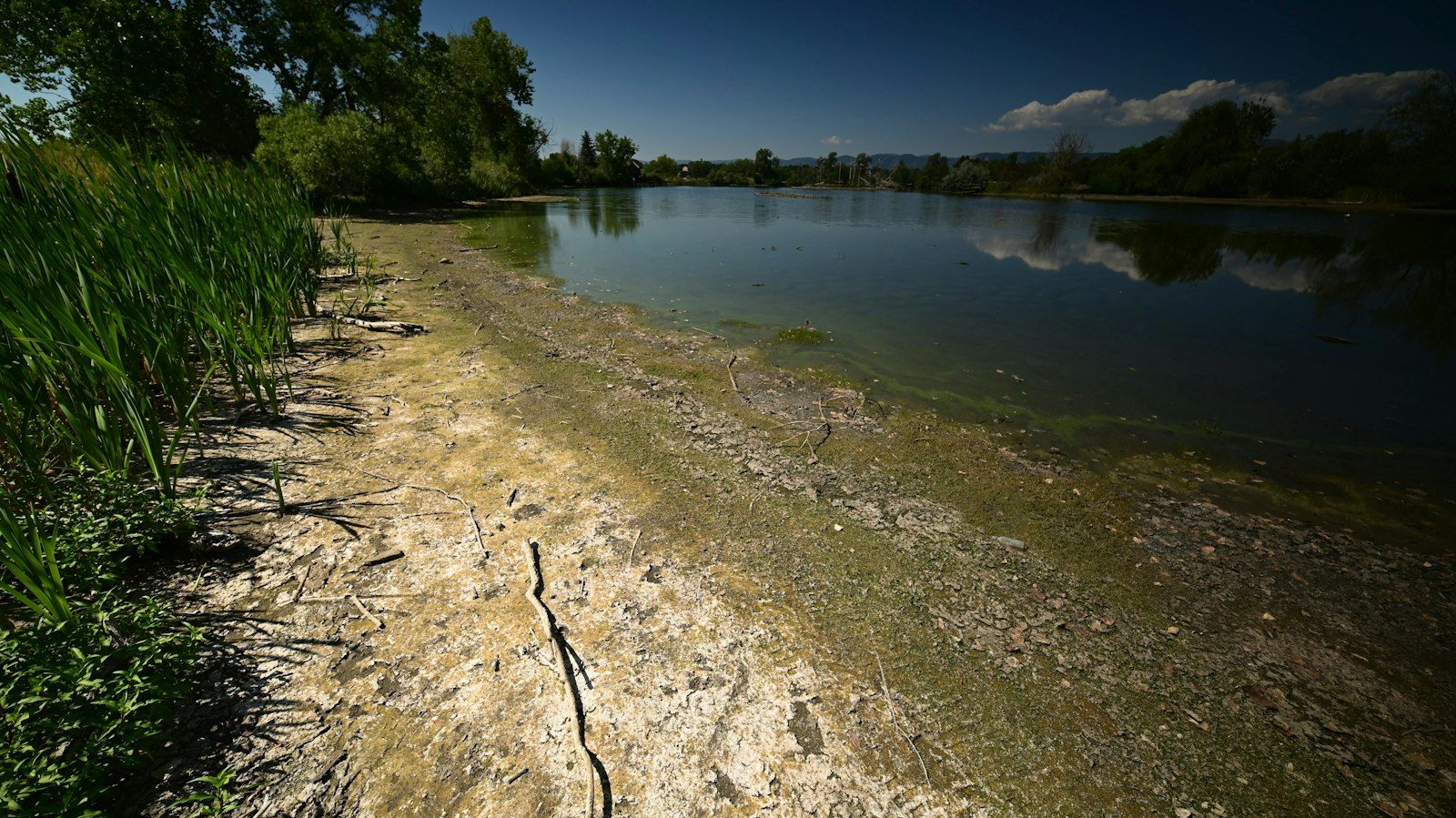
Stage 2 water restrictions have been in force since 15 June. To stretch its own reservoirs, including Lake Michie, where a dry shoreline is now exposed, the city is buying about 9 million gallons a day from the neighbouring town of Cary, which draws from Jordan Lake, and about 2 million gallons a day from the Orange Water and Sewer Authority. It is also pumping about 4 million gallons a day from Teer Quarry.
What Stage 3 would mean
Lim said the city could move to Stage 3 if conditions do not improve. Stage 3 would largely end outdoor water use, though hand watering and drip irrigation would still be allowed. He said the city had hoped a big rain event, such as a hurricane, would refill its lakes, but it did not come.
The uncertainty is already shaping decisions. A Duke Children's Hospital doctor told ABC11 she chose to live in Cary rather than Durham because of the water outlook, saying reliable water is essential for patient care. A Durham homeowner asked what the city's plan is if its water runs low.
Why it matters beyond Durham
Durham is not short of infrastructure. It has its own lakes, a quarry and pipes to two neighbouring suppliers. The lesson is that interconnections buy time but do not create water. For Indian cities such as Hyderabad, which is also leaning on transfers and tankers this season after a weak monsoon, the same point applies: demand cuts and loss control decide how long the buffer lasts.
Why it matters
Durham shows how a city with several connected sources can still run short after a long dry spell. Interconnections with neighbouring utilities and quarry storage are buying time, which is the same playbook Indian cities are using with tankers and inter-basin pipelines this year.
Found an error? See the Corrections Policy.
Image: Gennady Zakharin / Unsplash