
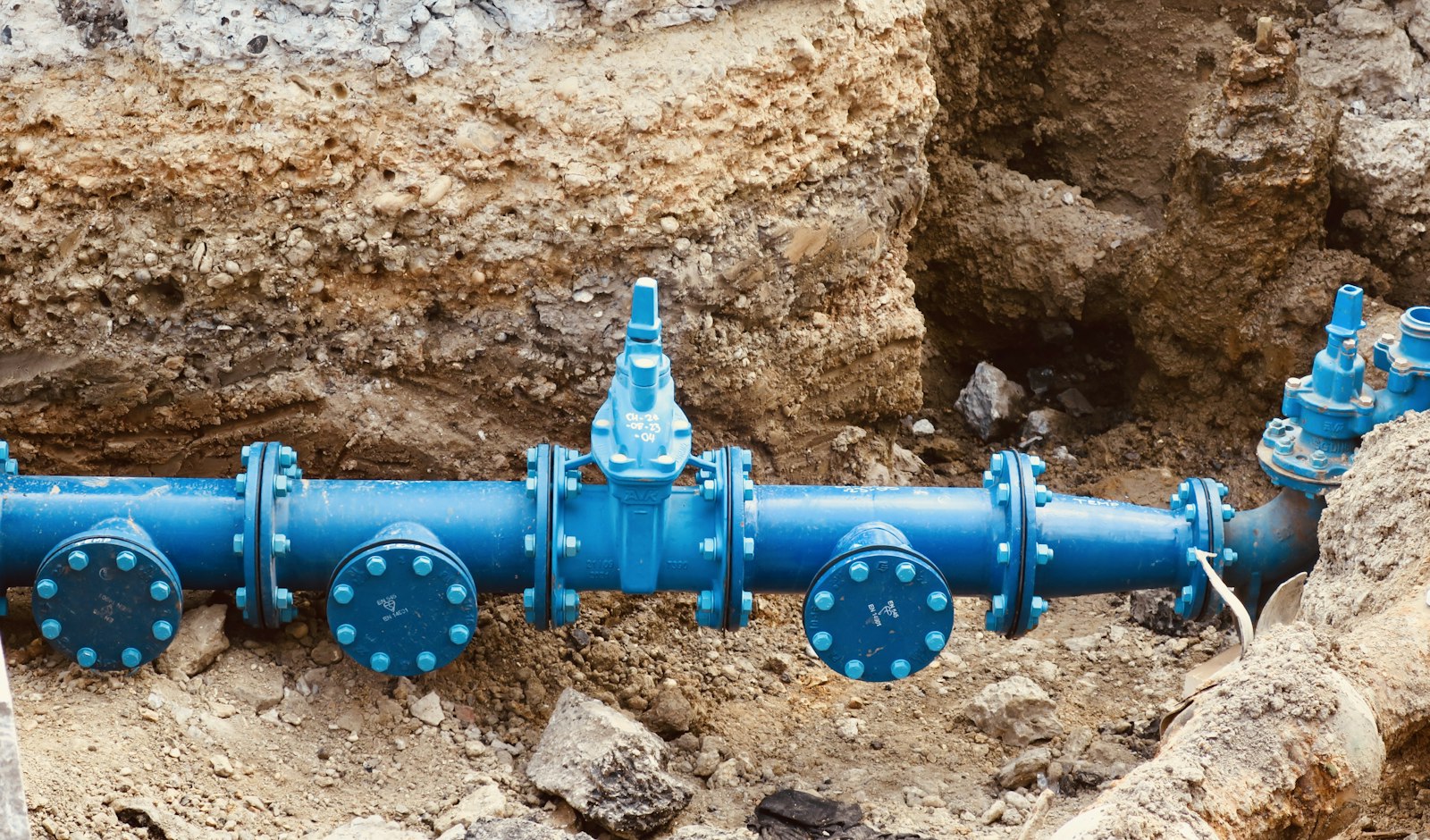
Investment is up 16% on last year's snapshot, yet since 2017 it has grown only slightly faster than construction prices.
In brief
EurEau's Europe's Water in Figures 2026 Snapshot, published on 27 October, puts average annual investment by European drinking water and wastewater services at about EUR 61 billion. Investment rose 16% on the 2025 snapshot, but EurEau warns network renewal rates are 'far too low to avoid degradation over time'.
Europe's water utilities are spending more, but not enough to keep their pipes from ageing. That is the message of Europe's Water in Figures 2026 Snapshot, published on 27 October by EurEau, which represents drinking water and wastewater services in 33 European countries. The data, supplied by its members with support from Fondazione Utilitatis, mostly refer to 2024 or 2025 and cover EU states, Iceland, Norway, Switzerland and the UK.
More money, similar buying power
Aggregate investment rose 16% compared with the 2025 snapshot. But over the longer run the gain is thin: since 2017 investment has grown 44% while the ECB construction price index rose 42%, and the figures are not adjusted for inflation. Germany spends the most at EUR 13.3 billion a year (EUR 160 per person), followed by the UK at EUR 11.7 billion (EUR 172), France at EUR 8.0 billion and Italy at EUR 4.1 billion. Sweden spends the most per person at EUR 230, against a European average of EUR 102.
Bills, leakage and renewal
The average household water bill is EUR 426 a year, about 1% of household income, and the average residential tariff is EUR 4.08 per m3 including VAT. Leakage varies enormously: the European average linear leakage index is 2,547 m3 per km per year, from 456 in Denmark to 6,643 in Italy. Network renewal rates are largely stagnating, and infrastructure renewal is members' top concern for the second year running.
Coverage is close to complete, with 96.9% of people connected to drinking water networks, 89.9% to wastewater collection and 88.9% to treatment. Cyprus and Spain lead on water reuse. More members than last year now name water availability and climate change as challenges, along with pollution from micropollutants, PFAS and pesticides. The lesson for fast-growing systems is that connection is the easy part; paying to replace pipes on time, decade after decade, is where utilities fall behind.
Why it matters
Europe already has near-universal connections and still cannot renew pipes fast enough. Indian cities building networks now under AMRUT and similar programmes will hit the same wall in 20-30 years unless renewal is budgeted from the start.
Sources
Smart Water Magazine: Europe's water services step up investment, but rising costs and slow revenue growth limit progress (29 October 2026)Read original ↗EurEau: Europe's Water in Figures 2026 Snapshot (27 October 2026)↗Found an error? See the Corrections Policy.