
Proton Exchange Membrane (PEM) electrolyzers require ultrapure water with electrical conductivity < 0.1 µS/cm to prevent catalyst degradation, establishing dual-pass RO and CEDI as standard.
In brief
On October 4, 2026, the International Renewable Energy Agency (IRENA) in partnership with the Green Hydrogen Water Taskforce published technical design standards for electrolyzer water feed systems. The benchmark specifies that modern gigawatt-scale Proton Exchange Membrane (PEM) and Solid Oxide electrolyzer hubs must maintain feedwater electrical conductivity below 0.1 µS/cm and dissolved silica below 5 ppb to prevent platinum-iridium catalyst poisoning, making dual-pass reverse osmosis paired with continuous electro-deionization (CEDI) mandatory.
The global race to decarbonize heavy industry has ignited massive investments in green hydrogen. By splitting water molecules using renewable solar and wind electricity, electrolyzers produce clean hydrogen fuel with zero carbon emissions. However, many developers overlook the foundation of the reaction: water purity.
The Chemistry of Electrolyzer Stack Poisoning
Producing one kilogram of green hydrogen requires approximately 9 to 11 liters of ultra-pure demineralized water. In high-efficiency Proton Exchange Membrane (PEM) electrolyzers, titanium bipolar plates and platinum-iridium catalyst coatings operate under intense electrical currents. Even microscopic traces of dissolved calcium, iron, or chloride can permanently poison catalyst sites and puncture the polymer membrane.
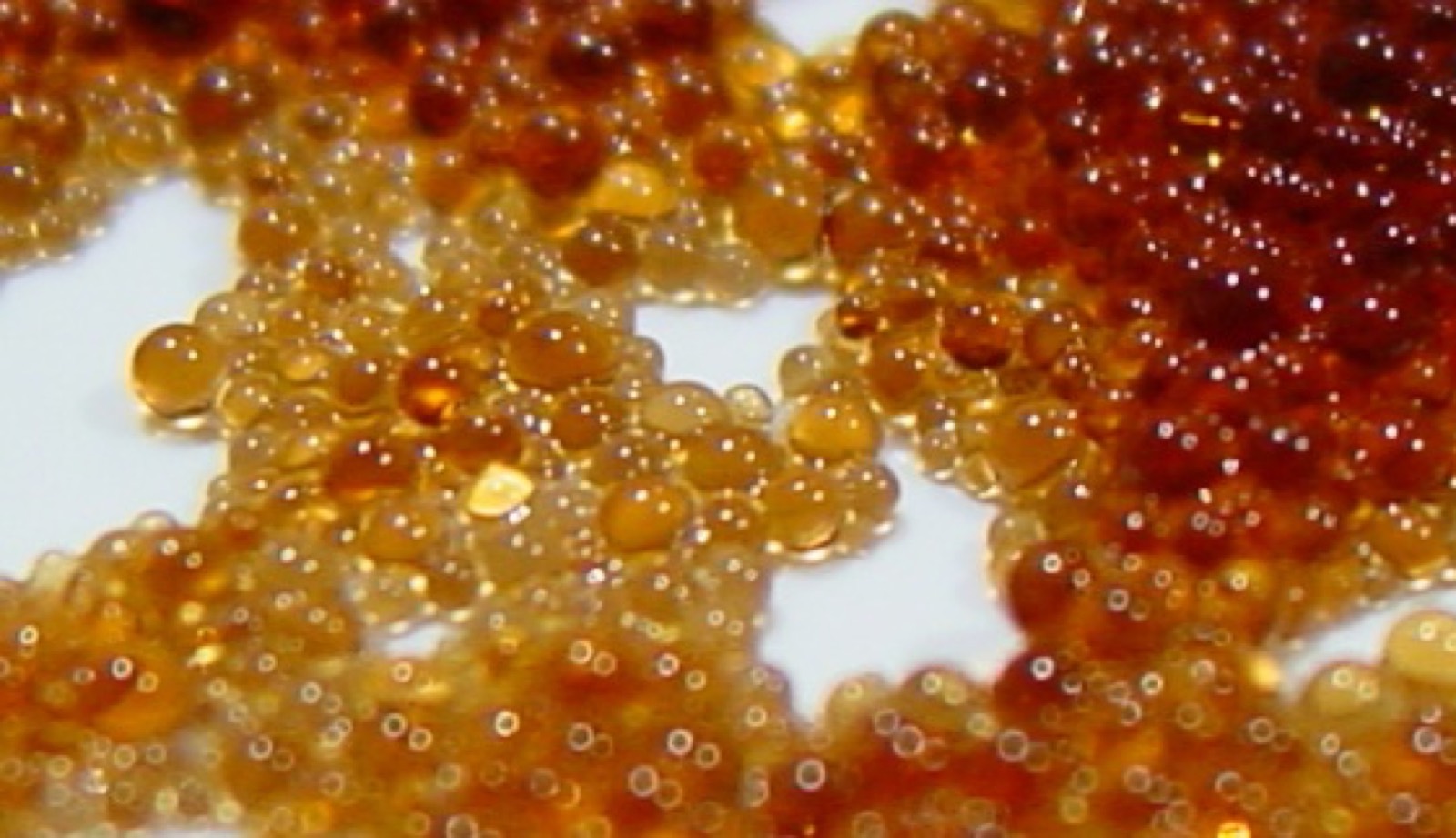
To achieve this extreme purity, developers are abandoning conventional chemically-regenerated ion-exchange resin columns—which require handling dangerous hydrochloric acid and caustic soda drums—in favor of all-membrane continuous trains: dual-pass reverse osmosis followed by Continuous Electro-Deionization (CEDI).
Continuous Electro-Deionization (CEDI) Advantage
CEDI combines ion-exchange resins and ion-selective membranes within an electric DC field. As water passes through the cell, dissolved ions are continuously drawn out through the membranes, while the electric current naturally splits water into H+ and OH- ions, regenerating the resin beads continuously in real time with zero chemical consumption.
Electrolyzer facilities must maintain dissolved silica below 5 ppb and Total Organic Carbon (TOC) below 50 ppb to achieve full 80,000-hour electrolyzer stack warranty lifetimes.
As gigawatt-scale hydrogen hubs rise across India, the Middle East, and Australia, water purification engineering has become the critical enabling technology of the clean energy transition.
Why it matters
Highlights that the global green energy transition is inextricably linked to advanced water purification engineering, where water purity dictates hydrogen production efficiency and stack lifespan.
Sources
IRENA Green Hydrogen Technology Report & Taskforce Guidelines (October 4, 2026)Read original ↗IRENA Water for Green Hydrogen Analysis↗Rispri Labs Ultrapure Water Systems & Demineralization Engineering↗Found an error? See the Corrections Policy.
Image: Industrial Ion-Exchange Resin & Ultrapure Water Demineralization Infrastructure