
Integrating ultra - high pressure membranes and specialized nanofiltration enables facilities to meet zero discharge mandates while minimizing thermal evaporation energy.
In brief
The high capital and energy expenses of traditional Zero Liquid Discharge (ZLD) systems have accelerated the adoption of Hybrid Minimal Liquid Discharge (MLD) workflows. By utilizing ultra - high pressure Reverse Osmosis membranes operating up to 120 bar alongside selective salt - separating nanofiltration, industrial plants can recover up to 97% of wastewater as clean permeate, reserving thermal evaporators for only the final concentrate.
If Zero Liquid Discharge has a villain, it's the evaporator - Multi-Effect or Mechanical Vapor Recompression units that can eat up 70% of a ZLD plant's entire energy budget. The fix gaining traction in 2026 isn't a better evaporator. It's building membranes tough enough that the evaporator barely has to work at all.
The MLD Workflow: Pushing Membranes to 120 Bar
Standard brackish RO tops out around 30 bar and 35,000 mg/L TDS. Minimal Liquid Discharge (MLD) plants add ultra-high-pressure RO modules rated for 80 to 120 bar, pushing membrane concentration up to 140,000 mg/L TDS before a single drop needs thermal treatment.
Selective Nanofiltration for Sodium Sulfate and Sodium Chloride Fractionation
The other piece worth understanding is what happens to the salt itself. In textile and chemical effluent loaded with both sodium chloride and sodium sulfate, monovalent-selective nanofiltration membranes let chloride ions pass through to the permeate while pushing sulfate into the concentrate - which means the final evaporation step yields commercial-grade salt crystals instead of a mixed, low-value waste product.
Antiscalant Formulations and Cleaning Protocols
Running membranes this hard at these TDS levels does raise scaling risk from silica, calcium sulfate and barium salts - which is why specialised polyacrylate and phosphonate antiscalants paired with automated pulse-cleaning have become as important to MLD performance as the membranes themselves. Whether MLD becomes the default architecture for new ZLD builds, or stays a retrofit option for plants trying to cut an existing evaporator's energy bill, will likely depend on how the capital costs compare once installations scale up.
Why it matters
Thermal evaporation using Multi - Effect Evaporators (MEE) or Mechanical Vapor Recompression (MVR) represents up to 70% of total ZLD operating costs. Implementing MLD configurations enables chemical, pharmaceutical, and textile plants to comply with zero liquid discharge mandates without inflating utility budgets.
Sources
Industrial Water & Wastewater Engineering Digest 2026Read original ↗CPCB ZLD Technology Evaluation Report↗International Desalination & Reuse Association (IDRA)↗Found an error? See the Corrections Policy.
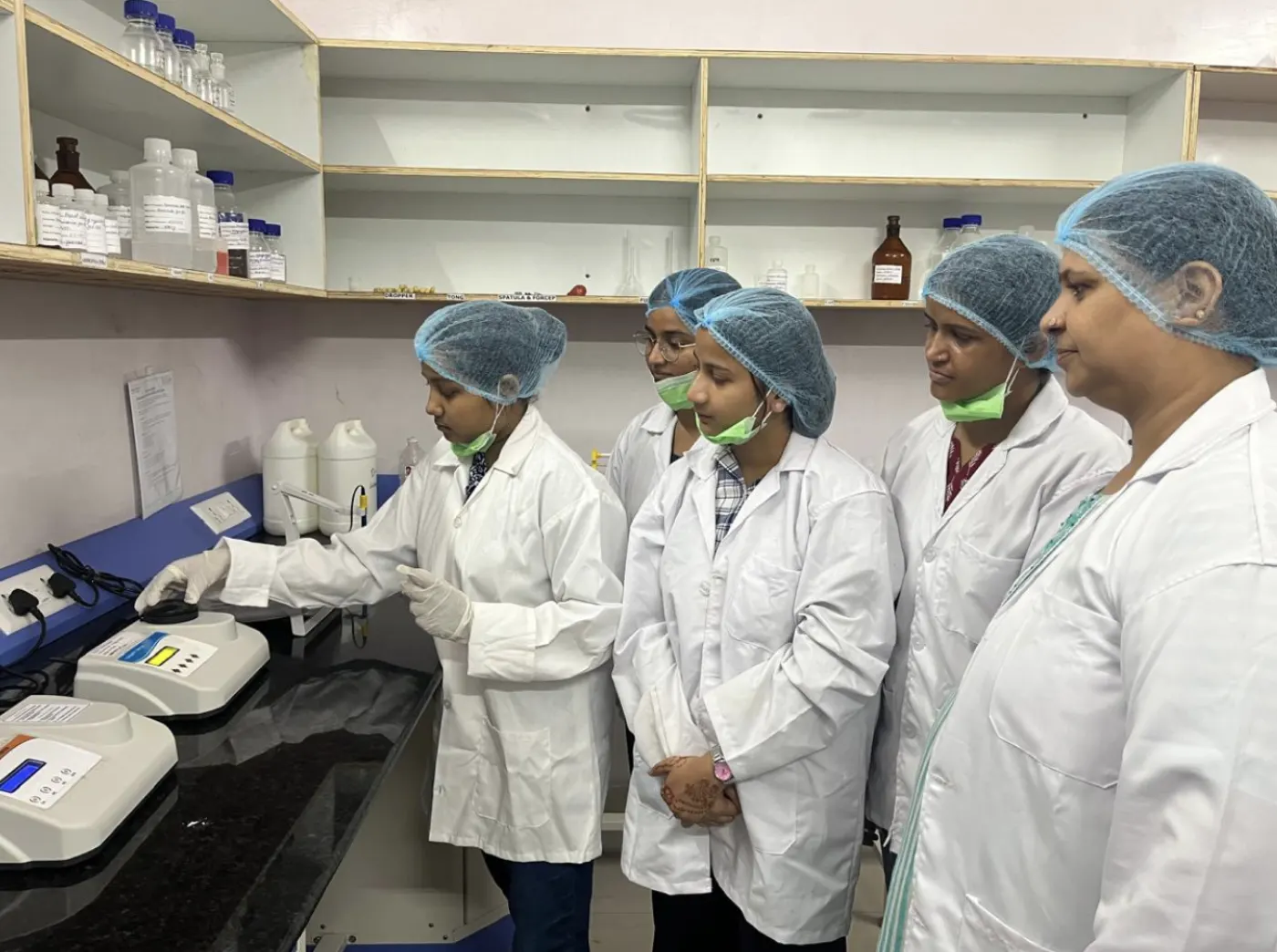
Image: Analytical Water Chemistry & Certified NABL Testing Laboratory (Rispri Labs)