
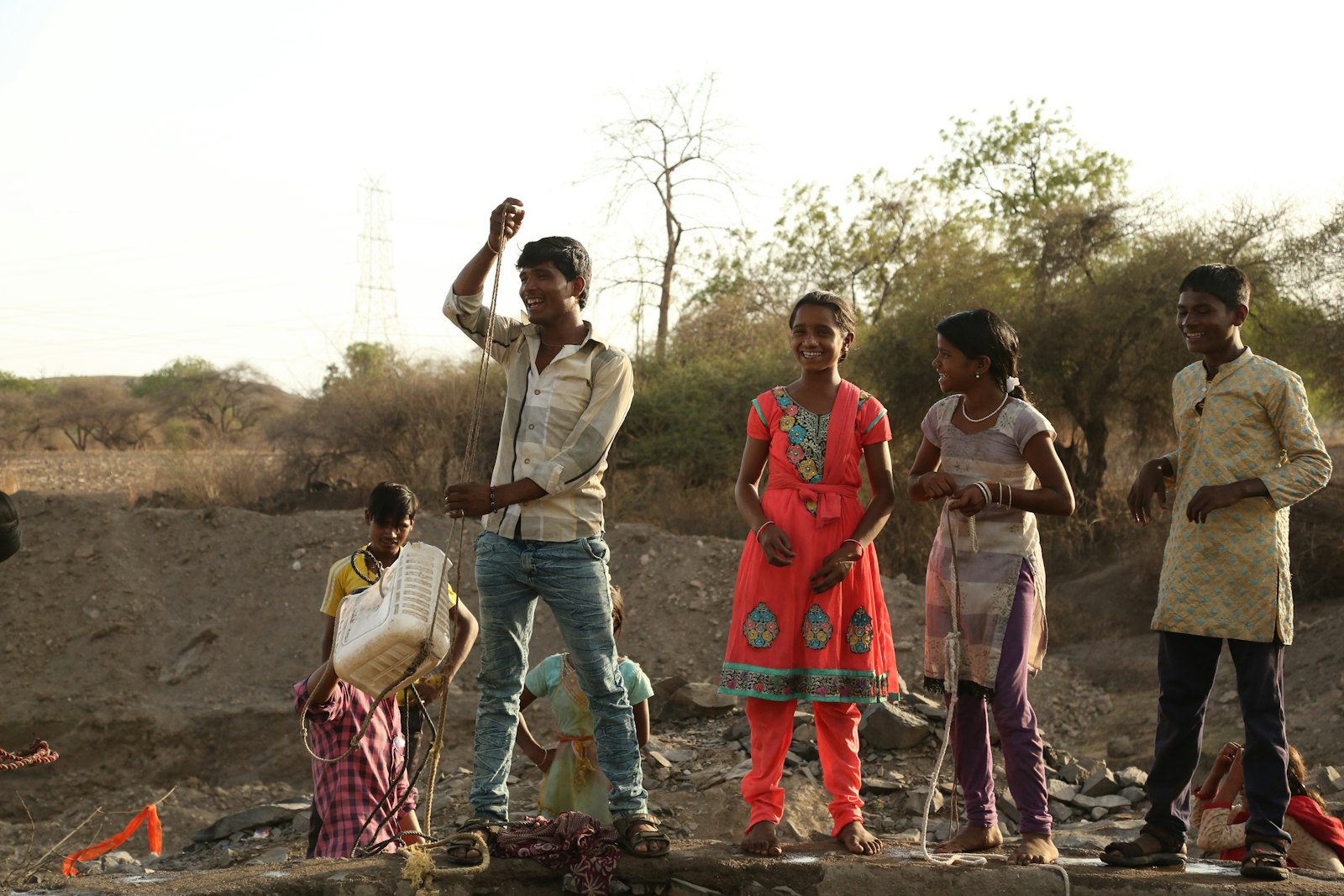
More than eight lakh farmers are affected. The Chief Minister says a 2016-style Jaldoot train will run only if the situation gets worse.
In brief
Maharashtra now counts 305 of its 358 talukas as drought-affected, with more than eight lakh farmers hit, the Free Press Journal reported on 11 November 2026. Asked whether the state would run water trains like the 2016 Jaldoot service to Latur, Chief Minister Devendra Fadnavis said there was no need right now, but it would be done if the need arose.
Drought now covers most of Maharashtra. The Free Press Journal reported on 11 November 2026 that 305 of the state's 358 talukas are drought-affected and that more than eight lakh farmers have been hit so far. The report lists the causes as a rainfall deficit, long dry spells and high temperatures, and the effects as damaged crops, falling water sources, fodder shortages and migration by farmers and landless labourers looking for work.
Up from 265 in September
Down To Earth reported in October that 265 talukas had been declared drought-affected in September, and that the state had told local bodies to cut water supply by at least 10%. Comparing the two reports, about 40 more talukas have been added since then. Our earlier coverage showed what this looks like on the ground: 560 tankers in Marathwada, almost all of them private.
No water train, for now
Responding to a question from the Free Press Journal, Chief Minister Devendra Fadnavis said there was no need for water trains right now and that the situation was not that bad yet. He added that if the need arose, it would definitely be done. The state's announced measures focus on water conservation, fodder cultivation, better irrigation practice and employment in drought-hit areas.
The question refers to 2016, when Central Railway and the state ran the Jaldoot service. According to the report, the train made 111 trips from Miraj to Latur, covering about 340 km; on its final trip it carried water in 50 wagons. It stopped once the monsoon improved supplies, and Latur restarted its regular supply on 1 August 2016.
What to watch
The report says reservoir levels and drinking-water demand over the coming weeks will decide whether water trains are needed. It also notes that drinking water remains a concern in several rural pockets. For villages already relying on wells and tankers, the safety of those alternative sources is as important as the quantity.
Why it matters
In September, 265 talukas had been declared drought-affected. Forty more have been added since, and the dry season has only started. Towns and industries in the state should plan for tighter water allocations well before summer.
Sources
Free Press Journal: Maharashtra Drought 2026: No immediate plans to run Jaldoot water trains despite 305 talukas affected, says CM Devendra Fadnavis (11 November 2026)Read original ↗Down To Earth: Weekly water cuts, borewell ban as Maharashtra tightens restrictions (13 October 2026)↗Found an error? See the Corrections Policy.
Image: Gyan Shahane / Unsplash