
Predictive fouling control and explainable AI are moving MBR from operator judgement to data - driven automation.
In brief
In 2026, the integration of machine learning and digital twin frameworks into membrane bioreactor (MBR) operations has moved beyond pilot stages. AI models now predict membrane fouling, transmembrane pressure and effluent quality before operators would otherwise detect changes - while Explainable AI (XAI) methods like SHAP and LIME make model decisions interpretable enough for regulatory purposes. Meanwhile, graphene oxide membranes and ceramic materials are beginning to displace conventional polymeric membranes in high - demand applications.
Ask an MBR operator what keeps them up at night and the answer is almost always the same word: fouling. It's the reason membranes need cleaning, the reason they eventually need replacing, and historically, the reason plants have been managed reactively rather than predicted ahead of time. In 2026, that's starting to flip.
Predictive AI: catching fouling before it happens
The historic operating challenge for MBRs is membrane fouling - the gradual accumulation of biofilm, colloidal particles and scaling that increases transmembrane pressure (TMP) and reduces throughput. Conventional management is reactive: operators respond to rising TMP with cleaning cycles and eventually membrane replacement. In 2026, machine learning models - trained on feed - water quality, operational parameters and historical TMP data - now predict fouling trajectories before they manifest as measurable pressure changes. Support vector machines, deep learning networks and hybrid physics - data models are being deployed in commercial plants to automate aeration adjustment, backwash timing and chemical dosing, cutting energy use and extending membrane life.
Explainable AI for regulatory acceptance
One barrier to AI adoption in regulated industries is interpretability - regulators and operators need to understand why a model is making a decision, not just what it is predicting. In 2026, Explainable AI (XAI) methods including SHAP (SHapley Additive exPlanations) and LIME (Local Interpretable Model - agnostic Explanations) are being integrated into MBR control platforms to generate human - readable explanations for model outputs. This matters for facilities operating under OCEMS real - time reporting, where process decisions have to be defensible.
Materials: ceramic and graphene membranes entering commercial use
On the materials side, ceramic membranes are displacing polymeric hollow - fibre membranes in high - fouling industrial applications - particularly in the food, pharmaceutical and chemical sectors - because of their superior chemical resistance and longer service life. Graphene oxide membranes, which achieved higher water flux at lower operating pressures in laboratory studies, are beginning the transition to commercial scale in 2026. Large - scale infrastructure deployments - including the major August 2026 expansion of Australia's Lower Molonglo Water Quality Control Centre - validate MBR at municipal scale and drive down cost curves globally.
The explainability piece is arguably the more interesting development for regulated industries specifically - a model that predicts fouling well is only useful if an operator, or an inspector, can trust why it made that call, which is exactly the gap SHAP and LIME are being brought in to close.
Why it matters
MBR is increasingly the technology of choice for industrial and municipal wastewater treatment in ZLD and water - reuse configurations. AI - driven predictive maintenance directly reduces the two biggest MBR operating cost categories: energy (typically 40 - 60% of opex) and membrane replacement. For plants running under OCEMS real - time monitoring requirements, AI - assisted process control also reduces the risk of intermittent non - compliance events.
Sources
MDPI Water / Fortune Business Insights / PR NewswireRead original ↗Fortune Business Insights - MBR market 2026 analysis↗PR Newswire - Australia's Lower Molonglo MBR expansion, August 2026↗Found an error? See the Corrections Policy.
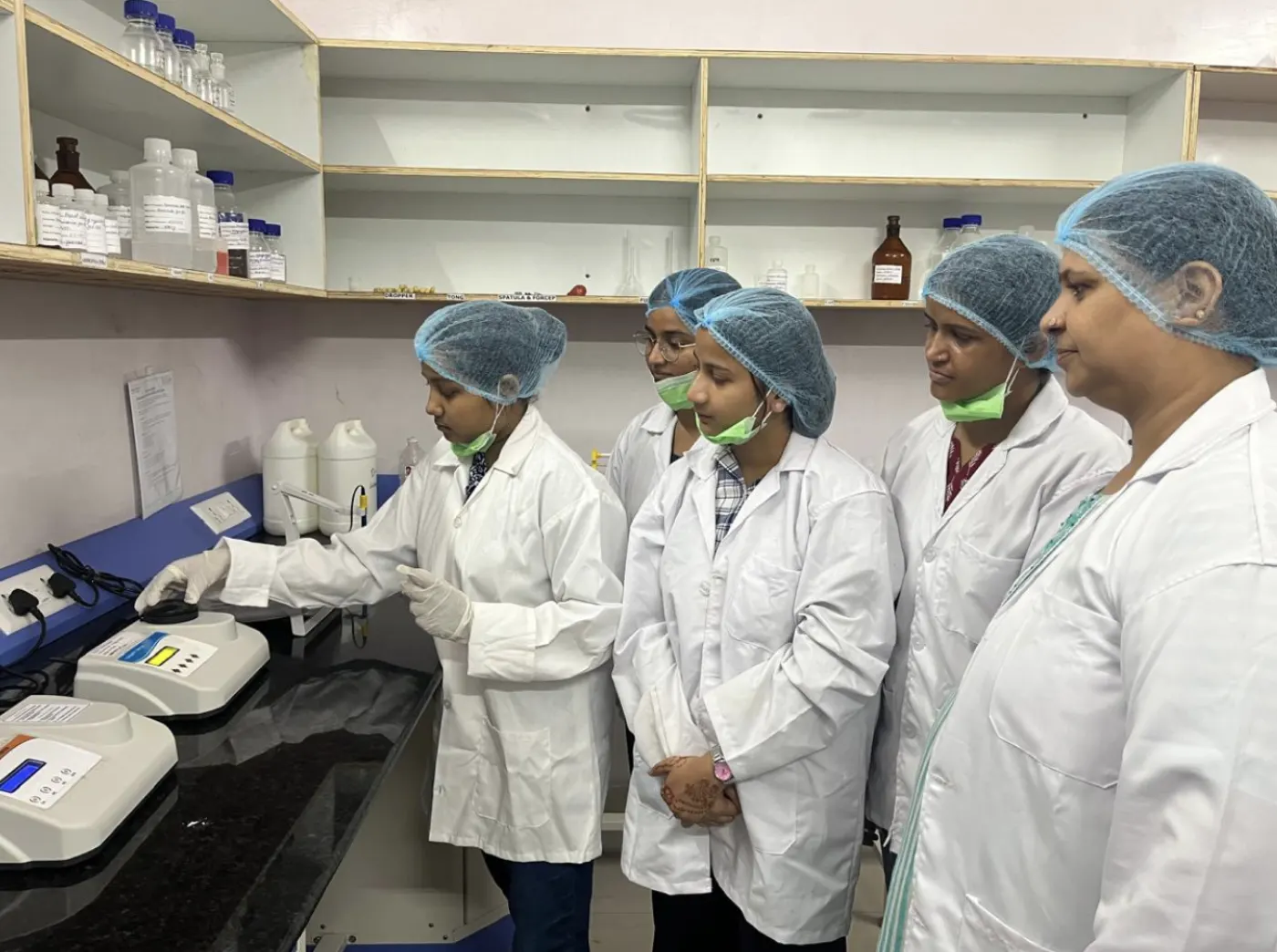
Image: Analytical Water Chemistry & Certified NABL Testing Laboratory (Rispri Labs)