
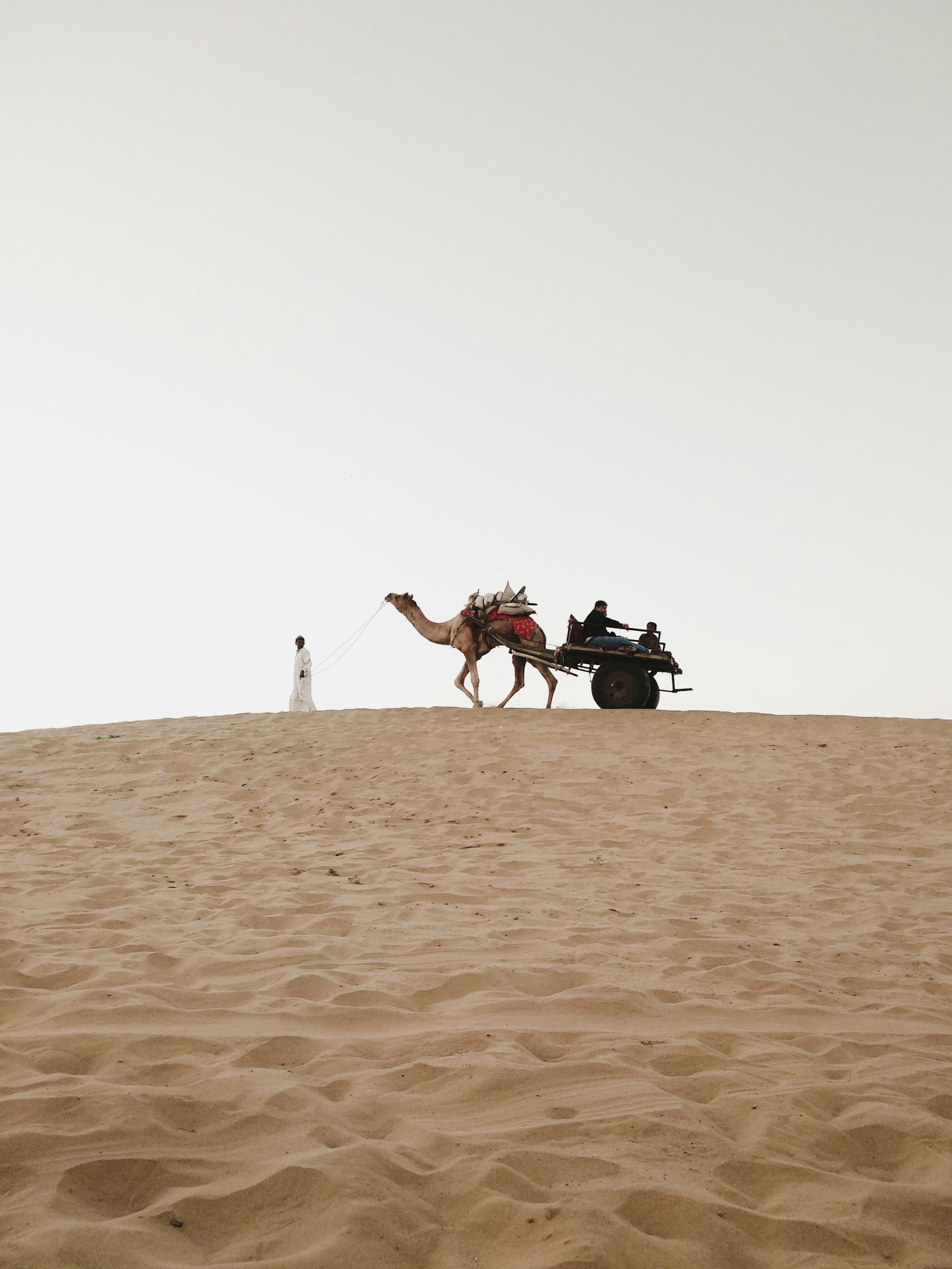
Western districts such as Jalore and Pali missed more than half their normal rain, state storage is at 61.8% against 90.4% a year ago, and no drought has been declared yet.
In brief
IMD data show Rajasthan received 340.2 mm of monsoon rain against a normal 435.6 mm, a 22% deficit, with western Rajasthan 30% short and October rainfall 55% below normal up to 23 October. State Water Resources Department figures show 216 of 693 dams empty and total storage at 61.80% of capacity on 8 October, against 90.38% on the same date in 2025. The state has not yet declared a drought.
Rajasthan has come out of the 2026 monsoon well short of rain. According to India Meteorological Department figures for 1 June to 30 September, compiled by Down To Earth on 26 October, the state received 340.2 mm against a normal of 435.6 mm. Eastern Rajasthan was 17% short; western Rajasthan, which is drier to begin with, was 30% short.
Some districts were hit far harder. Jalore received 173.4 mm against 417.8 mm (59% short), Pali 226.1 mm against 491.6 mm (54%), Jaisalmer 89.1 mm against 176.9 mm (50%) and Hanumangarh 41% below normal. October has brought little relief: up to 23 October the state recorded 4.6 mm against a normal 10.2 mm, and Barmer, Jalore, Nagaur and Pali had no rain at all. Sri Ganganagar was the exception, at 238% above normal.
Dams emptying before winter
Rajasthan Water Resources Department data cited in the report show that of the state's 693 large and small dams, 216 are empty, 378 are partly filled and only 99 are full. On 8 October total storage stood at 8,052.44 million cubic metres out of 13,029 million cubic metres, or 61.80% of capacity. On the same date in 2025 it was 90.38%. The Jodhpur Water Resources Zone is in the worst position: its 117 dams held 15.72% of capacity, against 80.25% a year earlier.
Farms, fodder and herds
In the western districts the shortfall is already showing on farms and in livestock markets. A Jaisalmer farmer quoted by Down To Earth said he could not sow his kharif crops and lacks the soil moisture for rabi sowing. He reported fodder prices rising from Rs 6-7 a kg to Rs 15-16 a kg and sheep and goats selling for about half their usual price; these are local estimates, not official data. Traditional khadin rainwater-harvesting fields, which depend on runoff, have also failed where rain did not come.
The state government has not declared a drought, which requires an assessment of sowing, soil moisture and water availability. Opposition parties are pressing for one, pointing to Maharashtra and Andhra Pradesh, which have already done so. With an El Niño expected to bring below-normal winter rain over much of India, storage in western Rajasthan's dams is likely to be the key constraint for towns, farms and industry until the 2027 monsoon.
Why it matters
Rajasthan is the latest state after Maharashtra, Andhra Pradesh and Telangana to show drought stress going into an El Niño winter. For industries and towns that draw on western Rajasthan's dams, the Jodhpur zone's storage of 15.72% is the figure to watch before summer.
Found an error? See the Corrections Policy.
Image: Shravan K Acharya / Unsplash