
States mandate 10 mg/L BOD and 50 mg/L COD for treated municipal and institutional sewage destined for cooling towers and urban irrigation.
In brief
State Pollution Control Boards across India have formalized Safe Reuse of Treated Water (SRTW) frameworks in August 2026. Under these policies, institutional, commercial, and municipal STPs must deliver treated water at BOD <= 10 mg/L, COD <= 50 mg/L, and TSS <= 10 mg/L to enable direct non-potable reuse.
Here's a shift that changes the economics of running a sewage treatment plant: treated water that used to be a disposal problem is now, by policy, a resource you're required to use. Safe Reuse of Treated Water (SRTW) frameworks formalised by State Pollution Control Boards in August 2026 mean institutional, commercial and municipal STPs can no longer just send treated sewage down the drain when there's a cooling tower or irrigation line that could use it instead.
Circular Water Management in Commercial Infrastructure
The numbers are tight enough to make that reuse genuinely usable - BOD at or below 10 mg/L, COD below 50 mg/L, TSS below 10 mg/L - clean enough to route straight into HVAC cooling towers, toilet-flushing lines and landscape irrigation without raising eyebrows.
For hotel properties, industrial parks and large commercial buildings, this quietly turns treated water from a compliance cost into a line-item saving - fewer discharge fees, lower freshwater bills. The open question is enforcement consistency: whether SPCBs treat SRTW as a hard mandate everywhere, or mostly in the water-stressed cities where the pressure to reuse is already highest.
Why it matters
Commercial buildings, hotel properties, and industrial parks can no longer discharge treated sewage to public drains when local utilities or internal cooling towers require makeup water.
Sources
National Green Tribunal & SPCB Safe Reuse Framework 2026Read original ↗CPCB STP Discharge & Reuse Standards↗Found an error? See the Corrections Policy.
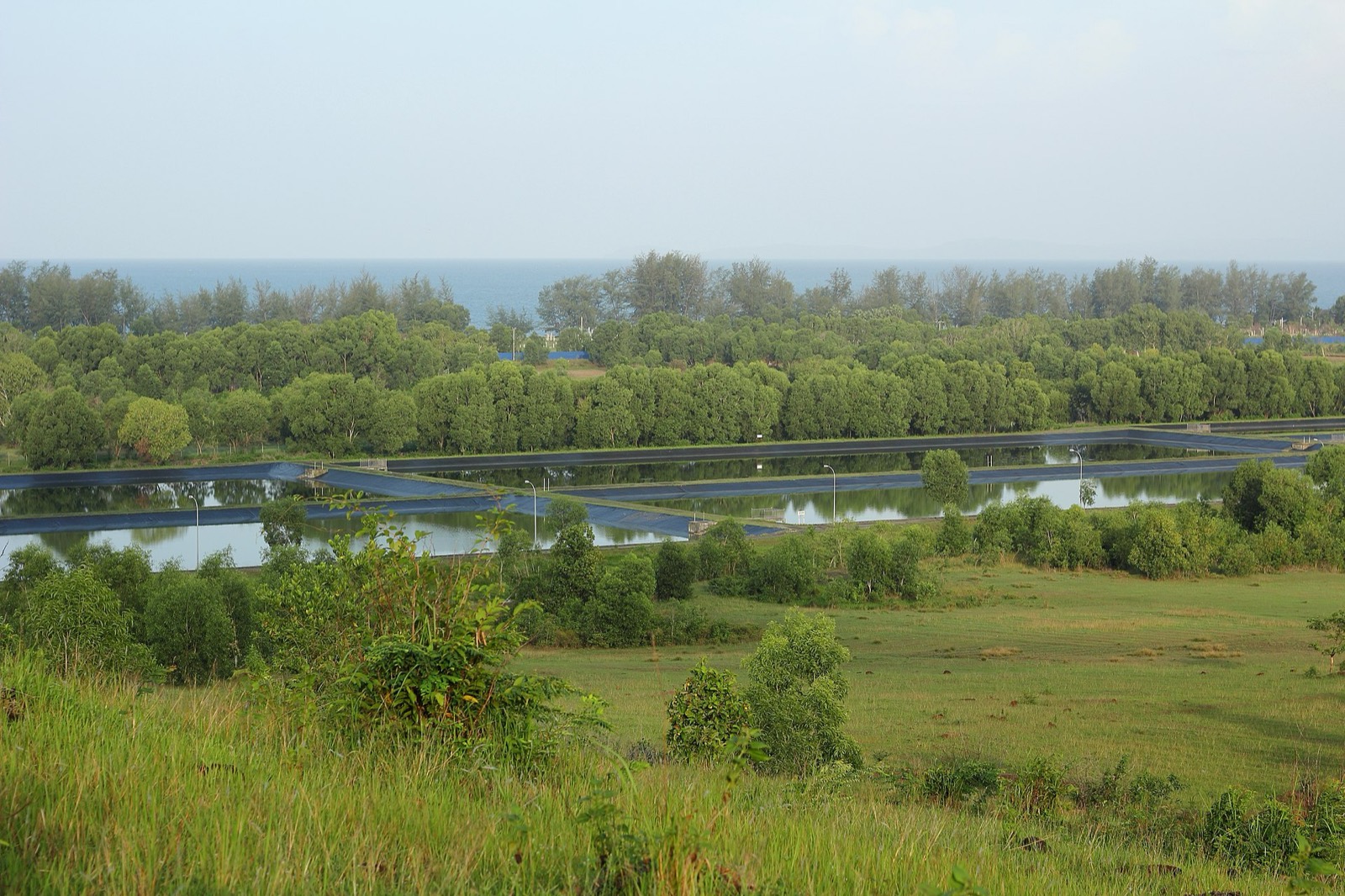
Image: Municipal & Industrial Biological Aeration Wastewater Treatment Facility