
High-temperature hydrothermal destruction plants achieve complete mineralisation of persistent fluorinated compounds without producing toxic airborne secondary emissions.
In brief
Commercial operations data published in September 2026 confirms that Supercritical Water Oxidation (SCWO) reactors operated at 500°C and 25 MPa successfully destroy >99.99% of per- and polyfluoroalkyl substances (PFAS) in concentrated industrial wastewater streams, converting hazardous fluorocarbons into harmless inorganic fluoride salts and carbon dioxide.
Operational data from newly commissioned hydrothermal destruction facilities published in September 2026 confirms that Supercritical Water Oxidation (SCWO) achieves near-total destruction of per- and polyfluoroalkyl substances (PFAS) in concentrated industrial effluent streams.
Hydrothermal Mineralisation of Persistent Fluorocarbons
By subjecting wastewater to temperatures above 500°C and pressures exceeding 25 MPa, water enters a supercritical state where organic fluorocarbon bonds break down rapidly. Carbon atoms are converted into carbon dioxide, while fluorine atoms form stable inorganic fluoride salts without producing toxic dioxins or furans.
Eliminating Secondary Solid Waste Risks
Unlike granular activated carbon (GAC) or ion-exchange resins that merely transfer PFAS contaminants from liquid to solid phase, SCWO destroys the chemical structure entirely on-site. This eliminates the legal liability associated with transporting spent hazardous filter media to landfills.
Why it matters
Provides chemical manufacturers with an on-site destruction alternative to landfilling or high-energy incineration of PFAS-laden filtration media.
Sources
Journal of Hazardous Materials & Industrial Water Technology (September 2026)Read original ↗Journal of Hazardous Materials Hydrothermal Thermal Papers↗Rispri Labs PFAS & Forever Chemical Compliance Guide↗Found an error? See the Corrections Policy.
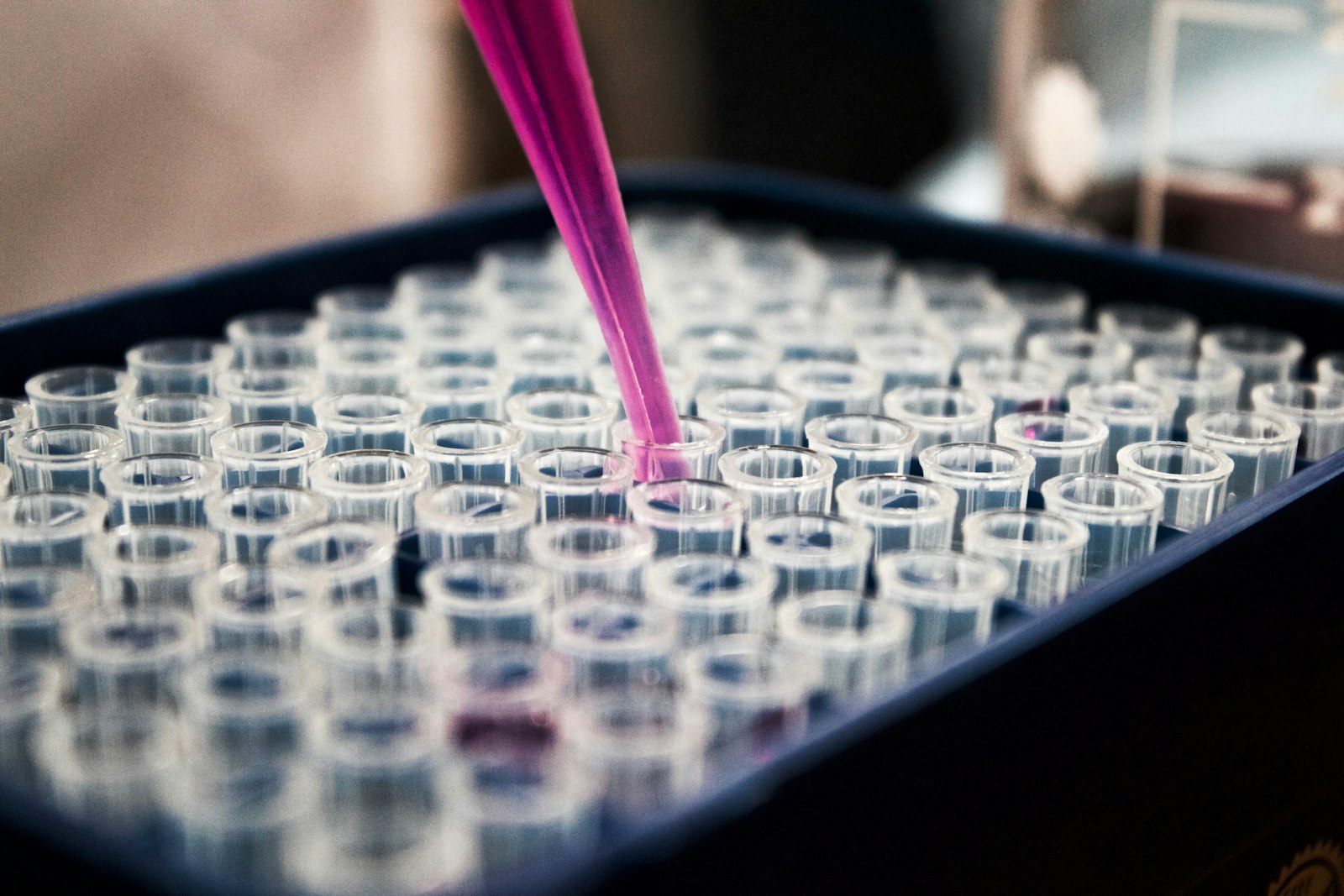
Image: Advanced Oxidation & Electrochemical Water Remediation Reactor Testing