
Federal regulatory updates grant municipal water systems targeted timeline extensions while accelerating grants for commercial Supercritical Water Oxidation (SCWO) in chemical manufacturing.
In brief
In September 2026, the US Environmental Protection Agency issued updated implementation frameworks for National Primary Drinking Water Regulations governing per- and polyfluoroalkyl substances (PFAS). While extending municipal compliance milestones to 2031 to allow for capital planning, the EPA doubled grant allocations for commercial-scale Supercritical Water Oxidation (SCWO) to destroy concentrated PFAS waste streams.
The US Environmental Protection Agency has released updated compliance guidance for per- and polyfluoroalkyl substances (PFAS) in drinking water and industrial effluent streams.
Realistic Compliance Horizons for Water Utilities
Acknowledging supply chain lead times for specialized ion-exchange resins and advanced oxidation equipment, the EPA extended final compliance deadlines for PFOA and PFOS maximum contaminant levels (MCLs) for qualified small and medium municipal water systems to 2031, while maintaining strict monitoring obligations.
Commercial Scale-Up of On-Site Destruction Tech
Simultaneously, federal clean-water grants are prioritizing commercial deployments of Supercritical Water Oxidation (SCWO) and plasma reactors directly integrated into chemical manufacturing plants. Operating above water's thermodynamic critical point (374°C, 22.1 MPa), SCWO completely cleaves carbon-fluorine bonds into inert inorganic fluoride salts and CO2.
Why it matters
Highlights the shift in regulatory focus toward permanent destruction of persistent fluorinated organics rather than temporary adsorption on carbon beds that generate secondary hazardous waste.
Sources
US EPA Office of Water Policy Brief & Technology Assessment (September 3, 2026)Read original ↗US EPA Technical Guidance on Thermal & Hydrothermal PFAS Destruction↗Rispri Labs PFAS Analysis & Trace Organic Testing Services↗Found an error? See the Corrections Policy.
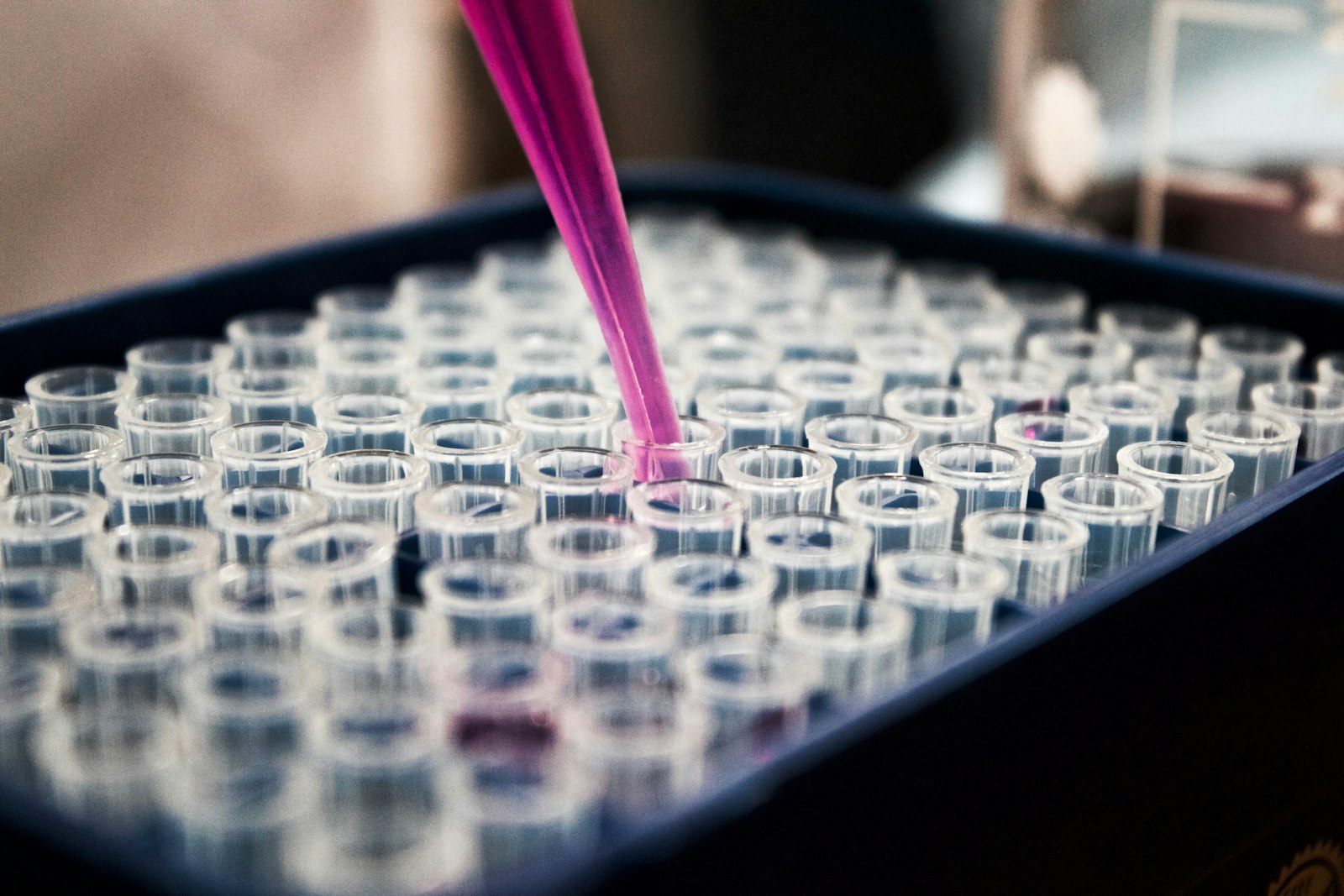
Image: Advanced Oxidation & Electrochemical Water Remediation Reactor Testing