
Federal funding prioritises commercial-scale electrochemical oxidation, plasma, and supercritical water oxidation (SCWO) to destroy carbon-fluorine bonds on-site.
In brief
On September 1, 2026, the US Environmental Protection Agency announced accelerated release of federal infrastructure funding targeting commercial-scale PFAS destruction technologies. Rather than filtering and storing PFOA/PFOS in spent carbon, industrial facilities are adopting SCWO and electrochemical destruction to destroy PFAS on-site.
On September 1, 2026, the US Environmental Protection Agency released updated guidelines and funding allocations prioritizing on-site PFAS destruction technologies for industrial and municipal wastewater dischargers.
From Adsorption to Carbon-Fluorine Bond Cleavage
Conventional treatment methods such as granular activated carbon (GAC) and ion exchange (IX) resins effectively capture per- and polyfluoroalkyl substances (PFAS) but create hazardous spent media that require thermal incineration or landfilling. New commercial deployments focus on supercritical water oxidation (SCWO), plasma reactors, and electrochemical oxidation that break C-F bonds into fluoride ions and carbon dioxide.
Industrial facilities across fluorochemical, electroplating, semiconductor, and textile sectors are installing pilot SCWO modules directly downstream of membrane concentration loops.
Why it matters
Marks a major industry transition from PFAS removal (concentration) to complete molecular destruction, avoiding expensive off-site hazardous waste transport and land disposal liabilities.
Sources
US EPA Environmental Technology & PFAS Action Plan Update (September 1, 2026)Read original ↗EPA Guidance on PFAS Thermal and Chemical Destruction↗Rispri Labs NABL Trace Analysis & PFAS Testing Capabilities↗Found an error? See the Corrections Policy.
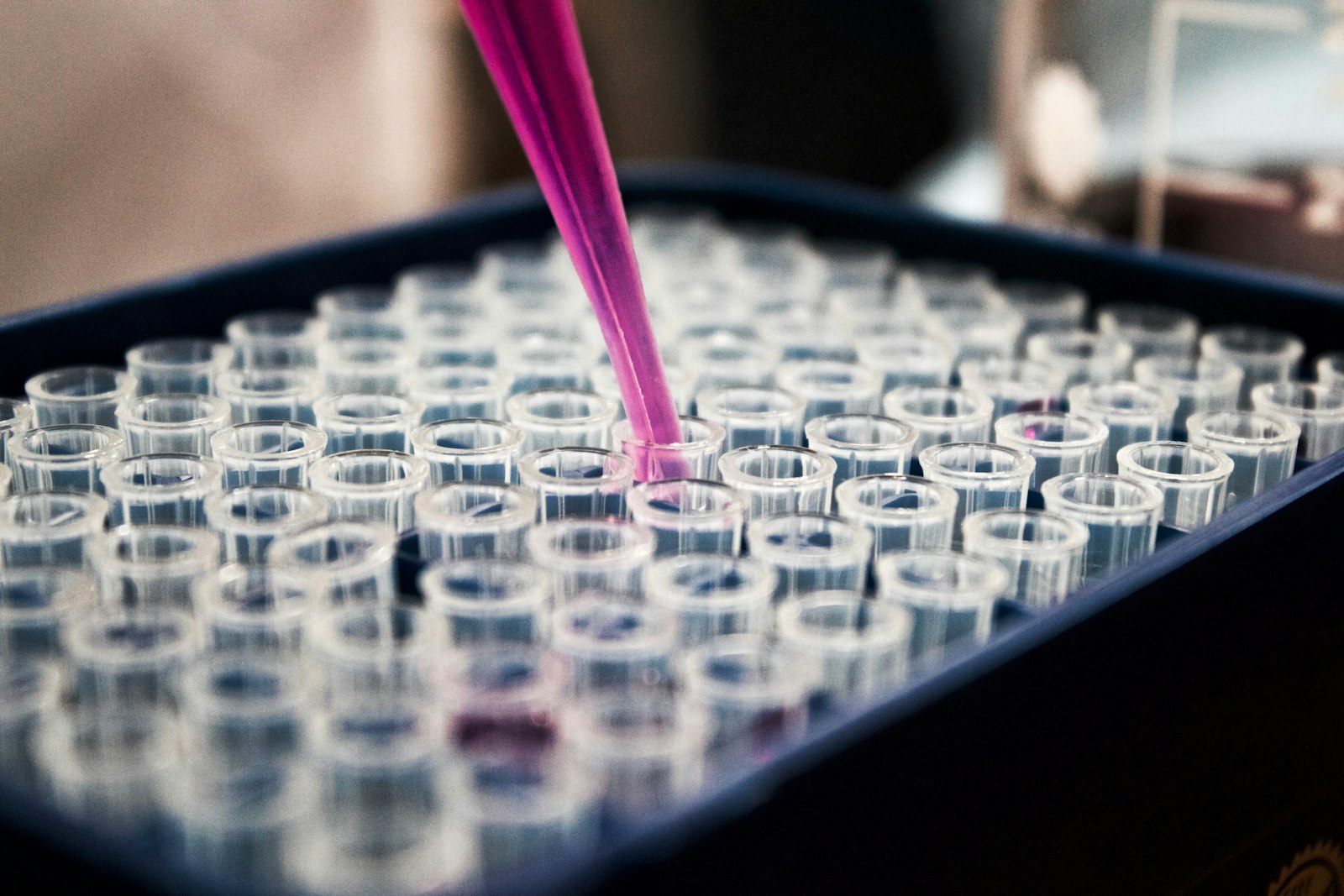
Image: Advanced Oxidation & Electrochemical Water Remediation Reactor Testing