
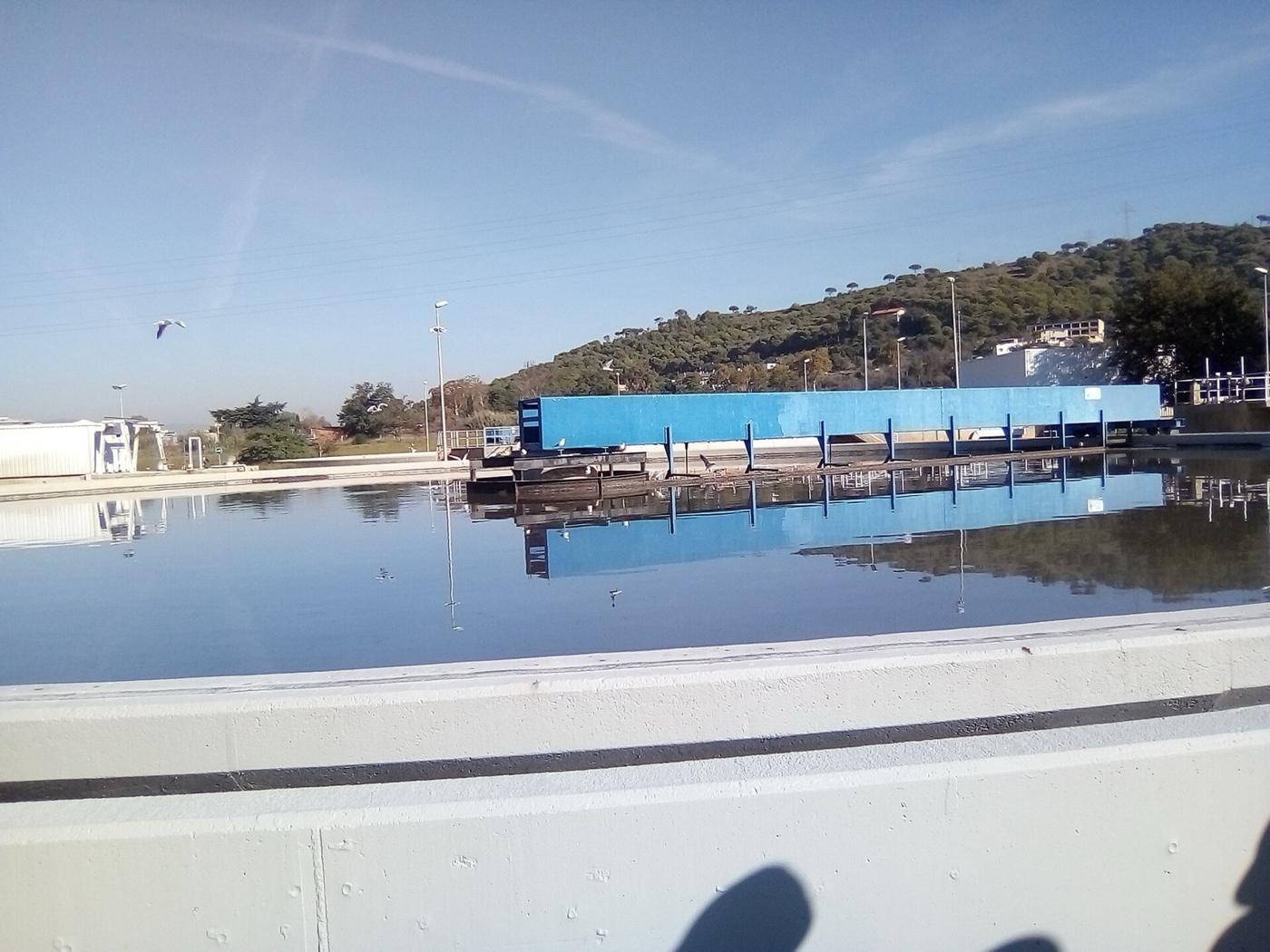
Barcelona's water utility sets out a 2026–2030 decarbonisation plan built on sludge-to-biogas, solar at treatment works, and regenerated water to decouple metropolitan supply from rainfall.
In brief
Aigües de Barcelona says it valorised more than 230,000 tonnes of sewage sludge in 2025 and expects 73% energy self-sufficiency by 2030 through biogas and solar at its treatment works. It is also expanding the Besòs drinking water plant to 1,000 litres per second, the first phase of a plan to use regenerated water so that metropolitan supply depends less on rainfall.
Published on the International Day against Climate Change, the utility's update sets out its 2026–2030 decarbonisation plan, based on science-based targets validated by SBTi in 2024. The plan focuses on methane and nitrous oxide from wastewater treatment, which have 27 and 273 times the warming effect of CO₂.
Sludge, biogas and solar
In 2025 the utility valorised more than 230,000 tonnes of sewage sludge: 70% composted and 28% used in agriculture and gardening, avoiding over 13,500 tonnes of CO₂. The anaerobic digestion plant at Montcada i Reixac produces up to 3.2 million m³ of biogas a year and covers 60% of that site's energy needs. From 2027, a sludge platform at Baix Llobregat will take more than 40,000 tonnes a year from the Besòs works, raising Baix Llobregat's biogas output by 50%.
A photovoltaic plant at Gavà-Viladecans started operating in early 2026, and four IDAE-funded solar-plus-storage projects at Baix Llobregat, Besòs, Montcada and Sant Feliu will add nearly 5 MWp and more than 7.2 GWh a year.
Making supply less dependent on rain
After a 2026 of wildfires and heatwaves followed by floods, the utility is finishing expansion of the Besòs drinking water plant to 1,000 litres per second under the Catalan drought plan. It describes this as the first phase of using regenerated water to make metropolitan supply less dependent on rainfall.
Why it matters
Barcelona is treating its sewage works as a source of energy and water. It is a model for Indian cities facing both rising power bills at STPs and drought-driven supply cuts.
Found an error? See the Corrections Policy.
Image: Castell (CC BY-SA 4.0)