
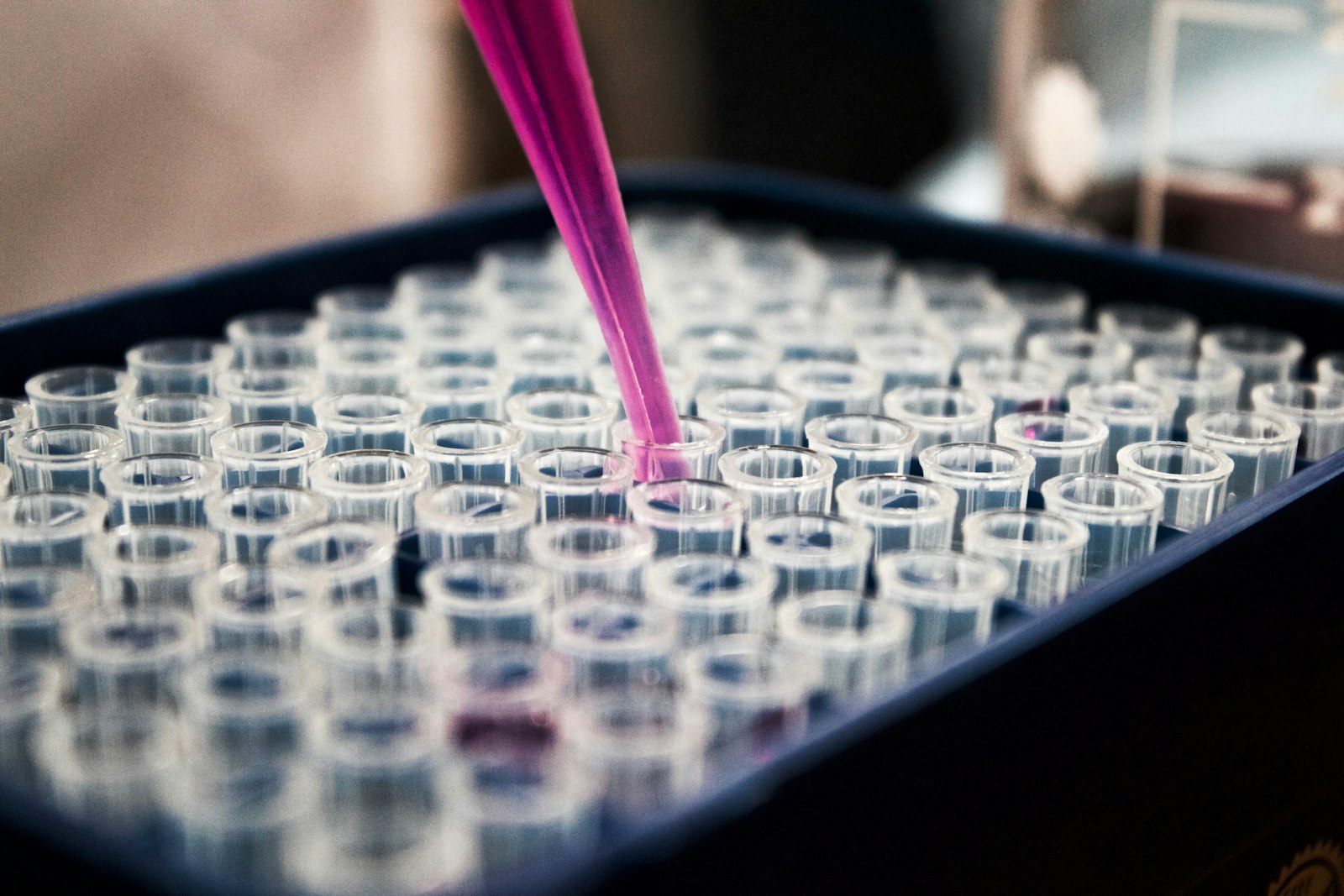
Integrated tertiary treatment skid achieves complete destruction of recalcitrant organics, pathogenic bacteria, and Legionella, allowing secondary sewage effluent to replace fresh water in chillers.
In brief
Engineering trials published on October 20, 2026, demonstrate that coupling silicon carbide (SiC) ceramic microfiltration membranes with an upstream catalytic ozone contactor produces high-purity water from secondary treated sewage for commercial district cooling. The system achieves complete pathogen elimination and drops Chemical Oxygen Demand (COD) below 5 mg/L without the chemical degradation seen in traditional polymeric membranes.
District cooling plants and hyperscale data centers require millions of liters of daily makeup water, creating significant strain on urban municipal supplies. Research unveiled at the IWA Membrane Technology Conference confirms that silicon carbide (SiC) ceramic membranes paired with catalytic ozonation offer an indestructible tertiary treatment solution.
High Hydrophilicity and Ozone Compatibility
Unlike standard PVDF or PES polymeric membranes that undergo polymer chain scission and embrittlement when exposed to continuous dissolved ozone concentrations, inorganic SiC ceramic elements are completely chemically inert to strong oxidants. This enables operators to inject micro-dosed ozone directly ahead of the membrane face.
The in-situ generation of hydroxyl radicals continuously degrades organic foulants, preventing bio-cake accumulation and allowing operating fluxes up to 450 liters per square meter per hour (LMH)—more than three times the sustained flux of polymeric hollow fibers. Silt Density Index (SDI) values consistently register below 1.5.
By degrading recalcitrant humic macromolecules and eliminating biological slime precursors, the polished permeate prevents bio-corrosion and scaling in condenser tubes, tripling cooling tower cycles of concentration.
Commercial retrofits using containerized SiC skid assemblies are currently scaling across urban cooling utilities in the Middle East and East Asia to meet statutory water recycling quotas.
Why it matters
Allows municipal district cooling systems and commercial data centers to eliminate freshwater cooling demand by safely utilizing polished secondary sewage effluent without risk of biocide resistant pathogens or scale.
Sources
International Water Association (IWA) Membrane Technology Proceedings (October 20, 2026)Read original ↗IWA Specialized Conference on Ceramic Membranes and Advanced Oxidation↗Rispri Labs Industrial Cooling Tower Water Treatment & Recycling↗Found an error? See the Corrections Policy.
Image: Advanced Oxidation & Electrochemical Water Remediation Reactor Testing