
Gas-permeable hollow fiber membranes supply bubble-free oxygen directly to attached biofilms, enabling simultaneous nitrification-denitrification (SND) within compact aeration footprints.
In brief
Full-scale operational data released on October 19, 2026, from municipal wastewater retrofit projects confirms that Membrane Aerated Biofilm Reactor (MABR) cassettes reduce aeration electrical power demand by up to 71.5% compared to fine-bubble diffusers. By delivering molecular oxygen directly across gas-permeable hollow fibers without bubble sparging, MABR systems dramatically cut facility Scope 2 carbon emissions.
Biological wastewater treatment in municipal STPs and industrial ETPs typically accounts for 50% to 70% of a plant's total electrical footprint, predominantly driven by motor-driven blowers forcing air through submerged diffusers. Operational metrics released by the Water Environment Federation show that MABR technology fundamentally solves this thermodynamic bottleneck.
Bubble-Free Molecular Oxygen Transfer
In an MABR unit, air is passed at low pressure through the lumen of gas-permeable, non-porous polymer hollow fibers. Oxygen diffuses across the membrane wall directly into an attached active biofilm without producing bubbles. This achieves an oxygen transfer rate (OTR) of over 12 g O2/m²/day at near 100% transfer efficiency, compared to 15–20% efficiency for conventional bubble aerators.
Crucially, the biofilm structure in MABR creates a counter-diffusion microenvironment: oxygen diffuses from the membrane wall outward, while substrate (ammonia and organic matter) diffuses from the bulk liquid inward. This enables simultaneous nitrification and denitrification within a single aerobic tank volume without internal liquor recycling.
Because MABR cassettes are modular drop-in units, existing overloaded municipal STPs can expand their nitrogen removal capacity by 50% without constructing new concrete tanks or disrupting ongoing operations.
Water utilities facing stringent effluent total nitrogen (TN) limits and carbon neutrality mandates are increasingly prioritizing MABR retrofits as their primary capital upgrade path.
Why it matters
Solves the primary operational cost barrier for municipal sewage treatment plants—aeration blower power—while doubling treatment capacity inside existing biological tankage.
Sources
Water Environment Federation (WEF) Technical Report (October 19, 2026)Read original ↗WEF Wastewater Treatment Decarbonization and Energy Recovery↗Rispri Labs Biological ETP & STP Optimization Services↗Found an error? See the Corrections Policy.
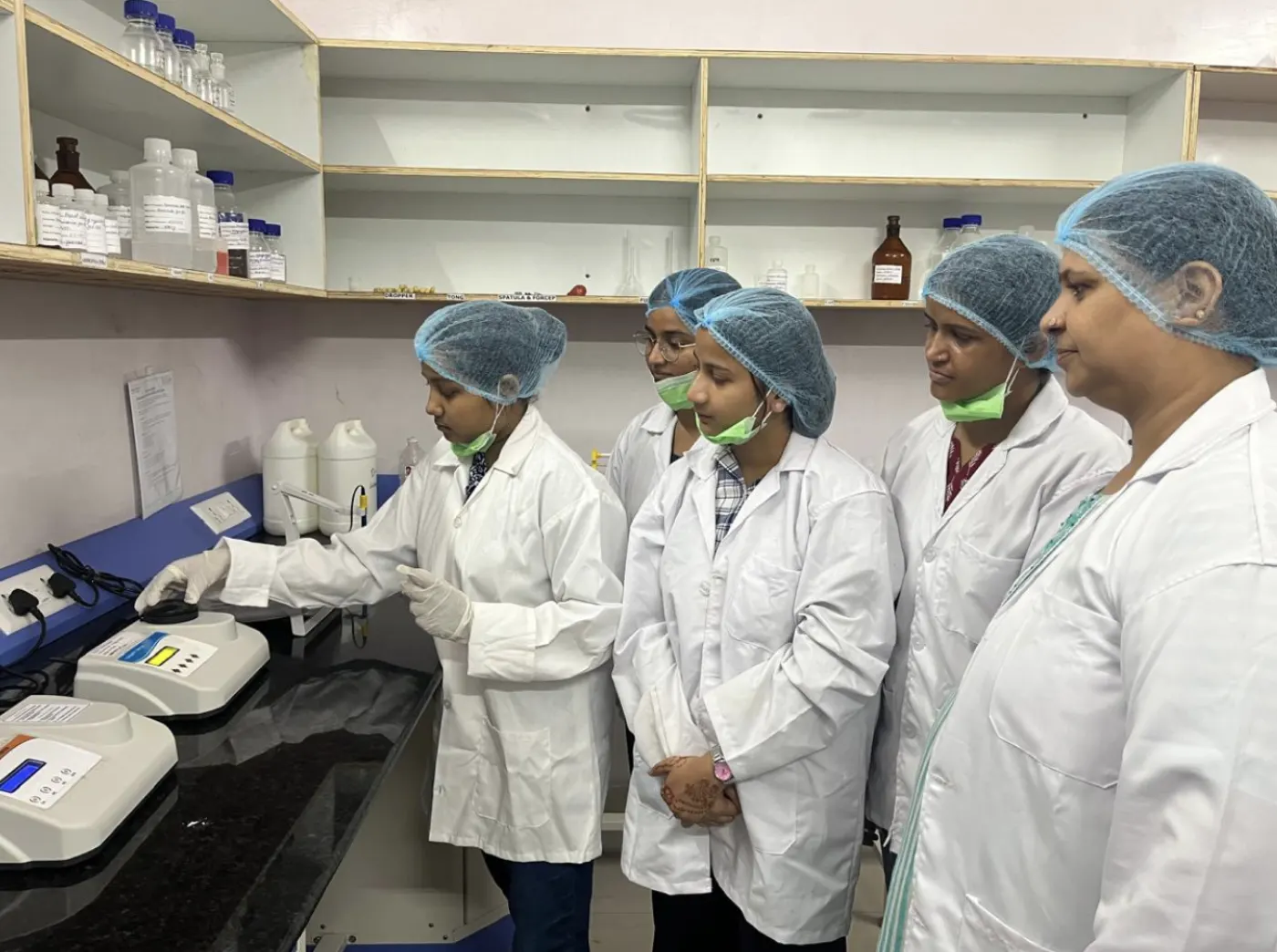
Image: Analytical Water Chemistry & Certified NABL Testing Laboratory (Rispri Labs)