
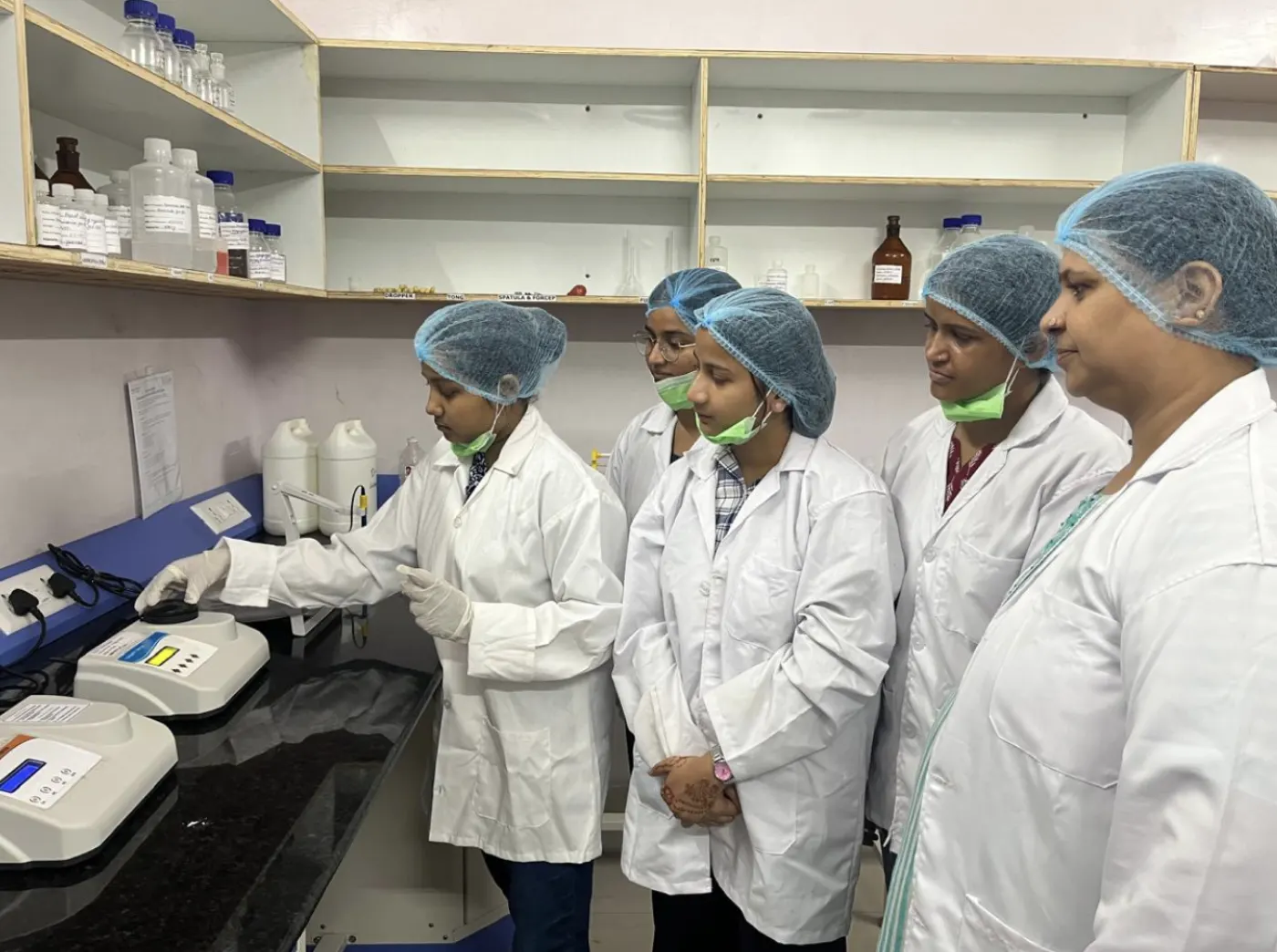
Advanced silver sulfate stoichiometry eliminates toxic mercuric sulfate masking while achieving ±3% precision in chemical effluent samples exceeding 10,000 ppm chloride.
In brief
On October 3, 2026, the National Accreditation Board for Testing and Calibration Laboratories (NABL) and the Central Pollution Control Board (CPCB) validated a standardized mercury-free analytical method for Chemical Oxygen Demand (COD) in hypersaline wastewater. By deploying precision silver sulfate stoichiometric precipitation and solid-phase chloride extraction, laboratories achieve ±3% measurement accuracy without using toxic mercuric sulfate reagents that generate hazardous laboratory chemical waste.
In environmental testing, Chemical Oxygen Demand (COD) is the primary legal benchmark used to assess industrial wastewater organic pollution. However, in chemical, pharmaceutical, and textile plants, samples frequently contain high concentrations of dissolved chloride ions (Cl- > 5,000 mg/L).
The Chemistry of the Chloride False-Positive
During standard potassium dichromate acid reflux, chloride ions are readily oxidized by dichromate into chlorine gas (6Cl- + Cr2O72- + 14H+ -> 3Cl2 + 2Cr3+ + 7H2O). This chemical side-reaction consumes dichromate reagent, producing an artificial, false-positive COD reading that can register hundreds of milligrams per liter above true organic contamination.
Standard testing protocols historically relied on adding toxic mercuric sulfate (HgSO4) to bind chloride as soluble mercuric chloride complex. However, disposing of spent mercury digestion vials generated severe hazardous waste, prompting international environmental conventions to mandate the total phase-out of mercury in environmental testing.
The Validated Silver Stoichiometry Protocol
The newly standardized NABL protocol introduces a two-step pre-treatment: Chloride is accurately quantified via potentiometric titration, followed by exact stoichiometric precipitation with silver sulfate (Ag2SO4). The resulting silver chloride precipitate is removed via centrifugal filtration before dichromate digestion.
Industrial plants contesting CPCB show-cause notices should ensure their compliance testing laboratory utilizes validated silver precipitation rather than arbitrary dilution, which severely degrades analytical detection limits.
The validated protocol ensures that regulatory compliance decisions are rooted in sound, repeatable chemical metrology without endangering laboratory analysts or the environment.
Why it matters
Eliminates laboratory toxic waste hazards while resolving contentious disputes between industrial facilities and pollution control boards caused by chloride false-positive COD spikes.
Sources
NABL Technical Guidance Note & Environmental Testing Standard (October 3, 2026)Read original ↗NABL Chemical Testing Accreditation Scope and Guidelines↗Rispri Labs NABL Accredited Chemical Analysis Laboratory↗Found an error? See the Corrections Policy.
Image: Analytical Water Chemistry & Certified NABL Testing Laboratory (Rispri Labs)