
Engineered nano-porous COF thin films demonstrate ultra-high water permeance with precise molecular sieving for copper, lead, and lithium recovery from industrial wastewater.
In brief
Researchers in September 2026 published breakthroughs in sub-nanometer Covalent Organic Framework (COF) membranes capable of separating monovalent ions from heavy metal toxins with 99.4% efficiency. The membranes exhibit water flux three times higher than conventional polyamide nanofiltration membranes while maintaining stability in concentrated acid streams.
Materials scientists have developed sub-nanometer Covalent Organic Framework (COF) membranes capable of separating monovalent sodium ions from toxic heavy metals with unprecedented precision and high water flux.
Sub-Nanometer Pore Engineering for Selective Filtration
The engineered COF thin films feature uniform 0.8 nm crystalline pores functionalized with heavy-metal chelating groups. This structure enables rapid passage of water molecules while selectively catching copper, zinc, lead, and cadmium ions from industrial plating and mining streams.
Resource Recovery from Acidic Wastewater
Unlike standard polyamide membranes that degrade under extreme pH, COF membranes exhibit high chemical stability in concentrated acid baths, allowing electroplating plants to recover valuable dissolved metals directly from spent process rinses.
Why it matters
Unlocks economical heavy metal recovery and lithium/valuable resource harvesting from toxic industrial wastewater without high energy inputs.
Sources
Nature Water & Advanced Materials Technology Journal (September 2026)Read original ↗Nature Water Article on COF Separation↗Ram Chemical Enterprises Advanced Filtration Systems↗Found an error? See the Corrections Policy.
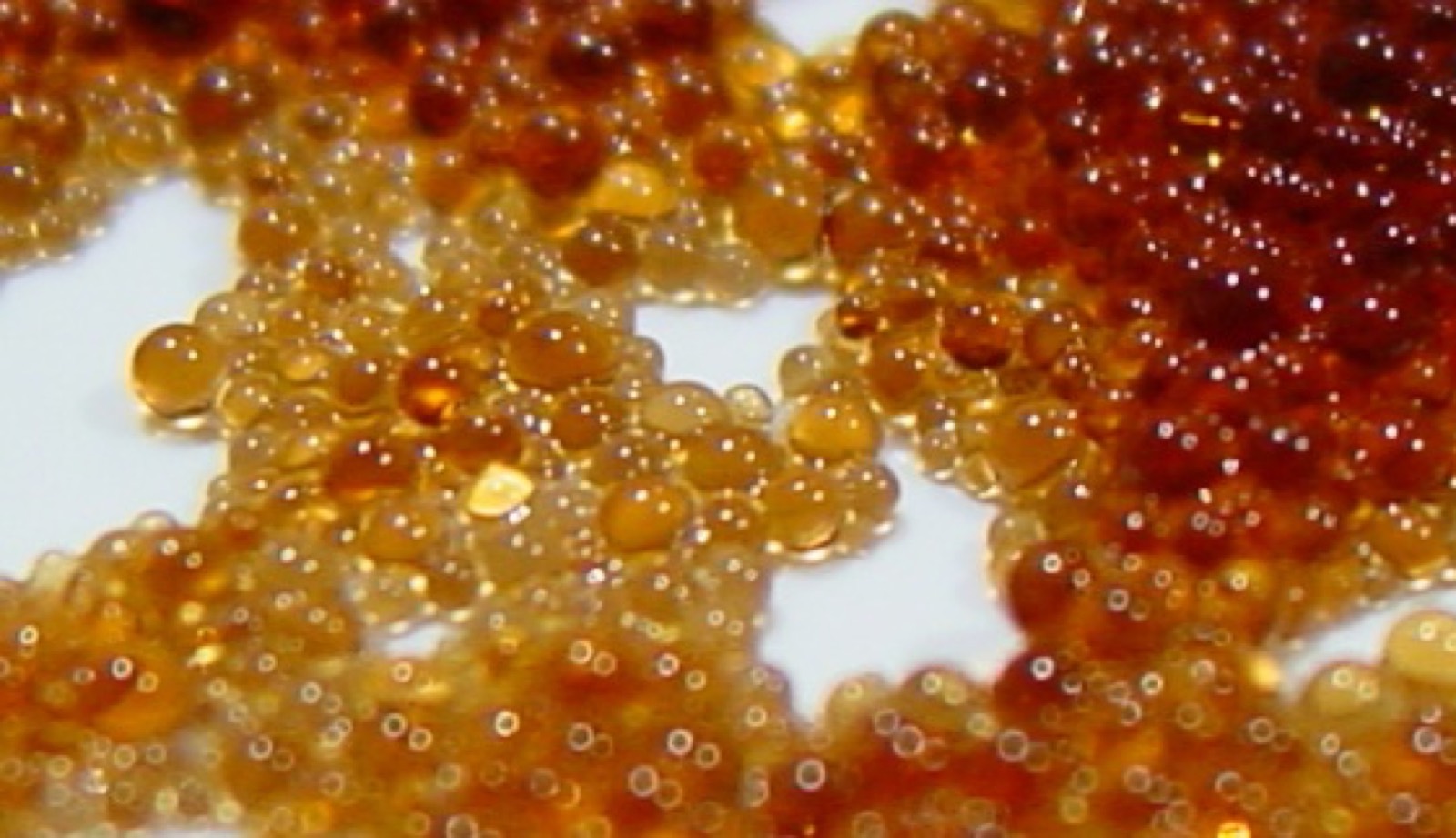
Image: Industrial Ion-Exchange Resin & Ultrapure Water Demineralization Infrastructure