
Public-records data reported by the Prince William Times shows 11 of 16 monitored sites in the Occoquan watershed reported releases above limits, with Dulles Airport peaking at 6,469 parts per trillion of total PFAS.
In brief
The Cool Down, republished on 18 November 2026 by the PFAS Project Lab, reports on Prince William Times public-records data for the Occoquan Reservoir watershed in Virginia, which supplies drinking water to about 1 million people. Of 16 monitored sites, 11 reported releases above limits. The largest came from Dulles International Airport and Micron's Manassas semiconductor plant.
Industrial sites have been releasing PFAS, the so-called forever chemicals, into the watershed of Virginia's Occoquan Reservoir, which supplies drinking water to about 1 million people. The figures come from a public-records request by the Prince William Times, as summarised by The Cool Down on 17 November 2026 and republished the next day by the PFAS Project Lab. Water Channel has not seen the original newspaper article, so the numbers below are as reported in these summaries.
The biggest sources
Dulles International Airport recorded total PFAS as high as 6,469 parts per trillion (ppt), and PFOS peaked at 195 ppt, about 49 times the federal drinking water limit of 4 ppt. At Micron's Manassas semiconductor plant, total PFAS reached 1,391 ppt at one wastewater outfall and PFOA peaked at 66 ppt, more than 16 times that limit. Other sites reporting elevated levels were a Sunoco fuel terminal, Manassas Regional Airport and a Lockheed Martin facility. The report notes that airports use PFAS-containing firefighting foam and that semiconductor makers use PFAS for their heat resistance.
These are readings at discharge points, not in tap water. The reservoir is diluted by other flows, and the summary does not say what the finished drinking water contains beyond readings at Fairfax Water's Griffith plant, where PFOA reached 8.7 ppt in 2023 and PFOS 6.3 ppt in 2024, according to the report. Prince William Water buys water from that plant.
Who pays to fix it
Virginia's Secretary of Natural and Historic Resources, David Bulova, estimated that removing PFAS at Fairfax Water would cost $400 million to build and $25 million a year to run, costs that could raise bills. He said cutting the largest industrial releases could bring drinking water below federal limits without raising bills. Under 2025 state legislation he sponsored, polluting industrial facilities are responsible for treatment and must bring their levels below federal limits by 2029. Facilities report wastewater PFAS levels to the state Department of Environmental Quality every quarter.
The federal limits of 4 ppt for PFOA and PFOS become enforceable in 2029, according to the article. The airports authority says a compliance plan will evaluate treatment options, and Micron says it is evaluating PFAS management, including added wastewater treatment.
Why it matters in India
This is a US case and the limits cited are US federal limits. It shows the economics regulators weigh anywhere: treating a whole reservoir's water for everyone costs far more than treating the few discharges that feed it, which is the argument behind controlling industrial effluent at source.
Why it matters
Drinking water treatment is expensive once PFAS reach the intake. The state official quoted says cutting the largest industrial releases at source could bring the water below federal limits without raising bills, which is the same logic India's industrial regulators apply to effluent.
Sources
The Cool Down: PFAS chemicals flow into Virginia reservoir serving 1 million people, with no system to remove them (Daniel John, 17 November 2026), reporting Prince William Times dataRead original ↗The PFAS Project Lab: republished report (18 November 2026)↗The main source was published on 17 November 2026.
Found an error? See the Corrections Policy.
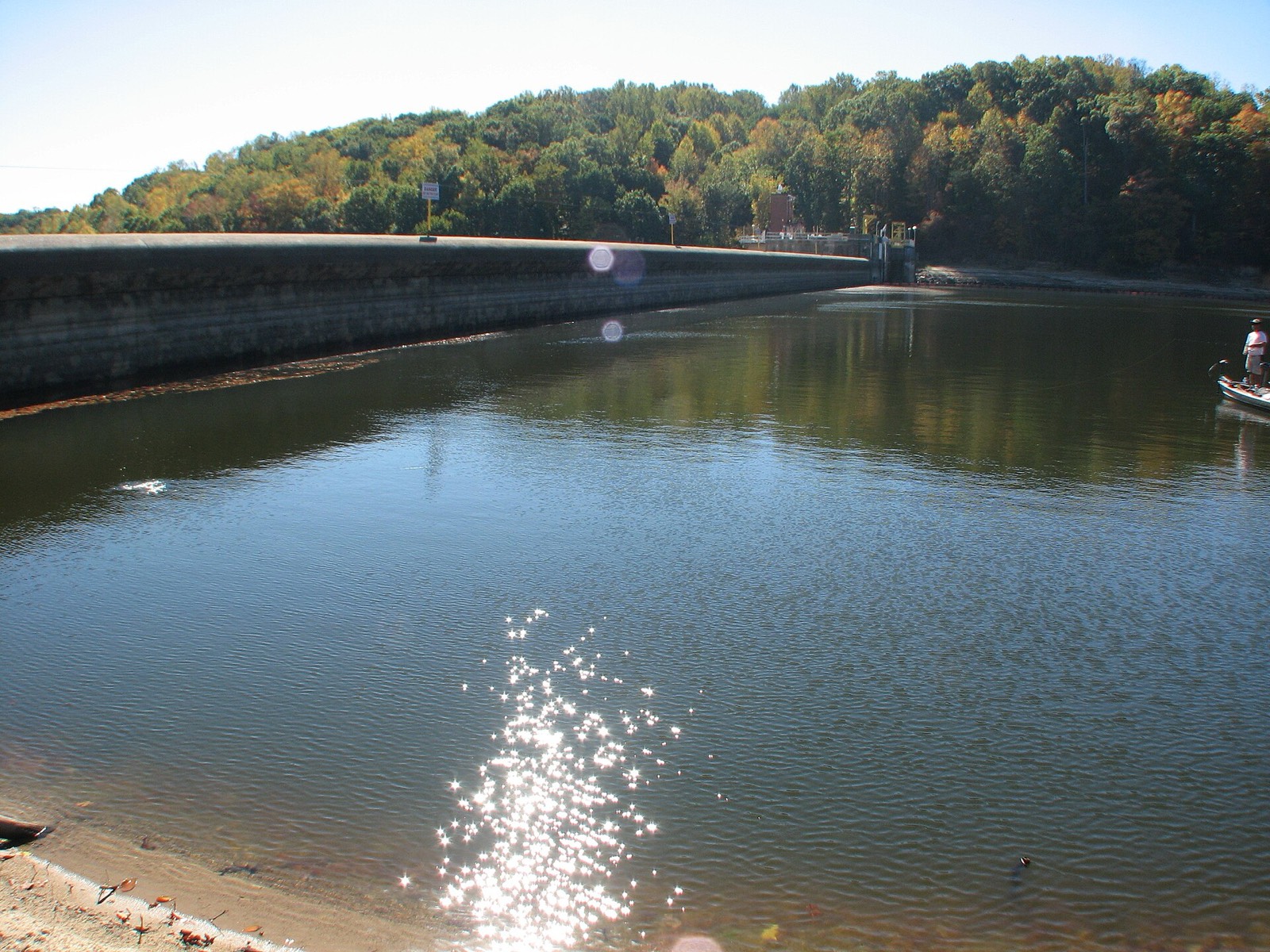
Image: File photo of Occoquan Dam, Virginia, taken in 2007: Pvt. Pondscum / Wikimedia Commons, CC BY 2.0