
While total polluted stretches declined, 37 'Priority I' river sections - including the Yamuna and Sabarmati - face severe organic pollution.
In brief
The Central Pollution Control Board's latest river assessment documents 296 polluted stretches across 271 rivers. While overall stretches declined from 351 in 2018, 37 'Priority I' stretches - including sections of the Yamuna and Sabarmati - still exceed 30 mg/L BOD, driving tighter SPCB discharge monitoring for nearby industrial clusters.
Good news and bad news, in the same dataset: CPCB's latest river assessment finds fewer polluted stretches nationally than five years ago - down from 351 in 2018 to 296 today - but the pollution that's left has concentrated into a smaller, more severe core, and that's arguably the part that matters more for anyone operating nearby.
Understanding the CPCB Priority Classification
CPCB categorises polluted river stretches into five priority levels based on Biochemical Oxygen Demand (BOD) concentrations:
• Priority I: BOD > 30 mg/L (Critically Polluted - 37 stretches) • Priority II: BOD between 20 - 30 mg/L • Priority III: BOD between 10 - 20 mg/L • Priority IV: BOD between 6 - 10 mg/L • Priority V: BOD between 3 - 6 mg/L
State - wise distribution & major critically polluted stretches
Maharashtra reports the highest total number of polluted stretches (54), followed by Kerala (31), Madhya Pradesh (18), Manipur (18), and Karnataka (14). However, the most critically polluted Priority I stretches are concentrated in industrial regions of Uttar Pradesh, Gujarat, Tamil Nadu, and Delhi NCR.
High - profile Priority I stretches include the Yamuna (Delhi to Agra stretch), Sabarmati (Gujarat), Chambal (MP), and sections of the Tungabhadra and Sarabanga rivers. The primary drivers remain a combination of untreated municipal sewage discharge and unmonitored industrial effluent releases.
Implications for industrial compliance
For industrial units located in catchments draining into Priority I and II river stretches, SPCB enforcement has intensified. Facilities face mandatory OCEMS installation with direct server telemetry, zero - discharge mandates for textile/tannery/chemical units, and immediate environmental compensation fines for exceeding CTO limits.
For industrial units sitting in the catchment of a Priority I or II stretch, the practical consequence isn't abstract - it's mandatory OCEMS installation, tighter consent parameters and SPCB sampling visits that show up without warning. Worth watching over the next assessment cycle: whether the 37 Priority I stretches shrink the way the national total has, or whether they turn out to be the hardest, most entrenched cases.
Why it matters
Industries located near Priority I or Priority II river stretches are subject to mandatory continuous online effluent monitoring (OCEMS), tighter consent parameters, and frequent unannounced SPCB sampling.
Found an error? See the Corrections Policy.
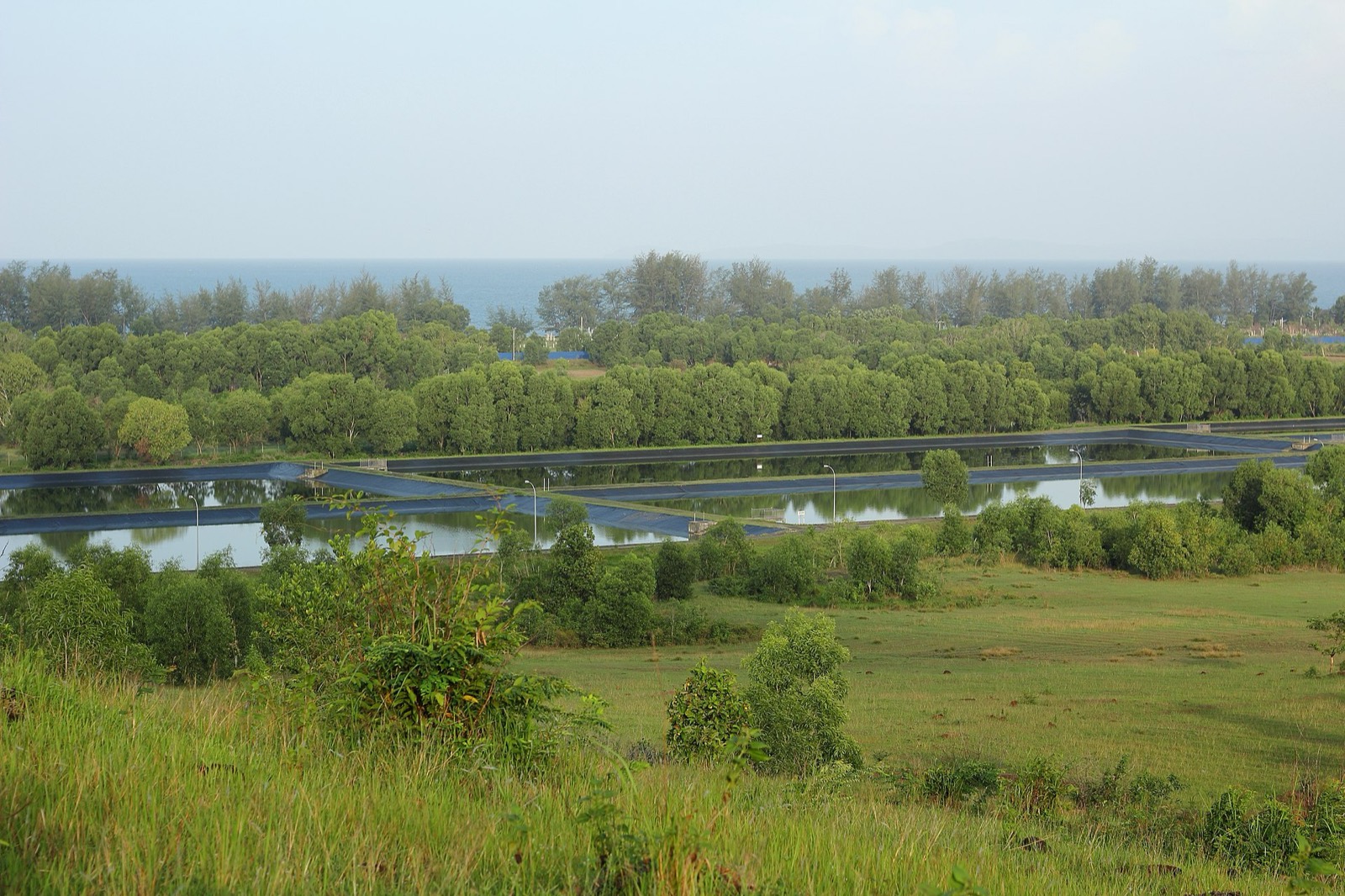
Image: Municipal & Industrial Biological Aeration Wastewater Treatment Facility