
Federal Maximum Contaminant Levels for PFOA and PFOS remain strictly at 4 ppt, backed by $1 Billion in infrastructure grants for advanced water treatment.
In brief
The US EPA has reaffirmed core drinking water standards capping PFOA and PFOS at 4 parts per trillion (ppt), while proposing a 2 - year compliance extension to April 2031 for public water systems facing major technical or capital hurdles.
It would have been easy for the US EPA to quietly loosen its PFAS drinking water limits under pressure from utilities facing enormous compliance costs. It didn't - the agency held the line at 4 parts per trillion for PFOA and PFOS, while giving struggling systems more time, not lower standards, to get there.
$1 Billion Infrastructure Grant & Technical Assistance
To assist municipal utilities and industrial dischargers, the EPA announced nearly $1 billion in funding allocated via the Bipartisan Infrastructure Law. The funds target PFAS testing equipment, resin bed replacements, and pilot filtration studies.
Global Implications for Industrial Effluent
As international supply chains adopt PFAS phase - out mandates, Indian chemical and textile exporters are increasingly required to test raw water and process effluent using LC - MS/MS analytical equipment down to sub - part - per - trillion levels.
Whichever way EPA's compliance-timeline extension eventually resolves, the direction of travel is unambiguous: PFAS limits are tightening globally, not loosening, and sub-part-per-trillion testing capability is quickly becoming table stakes for any exporter dealing with EU or US supply chains - worth having before a buyer asks for it, not after.
Why it matters
PFAS 'forever chemicals' require specialized Granular Activated Carbon (GAC), ion - exchange resins, or high - pressure RO systems. The regulation drives global benchmarking for industrial discharge and drinking water safety.
Sources
US Environmental Protection Agency (EPA) Ground Water & Drinking Water DivisionRead original ↗K&L Gates Environmental Regulatory Analysis 2026↗Found an error? See the Corrections Policy.
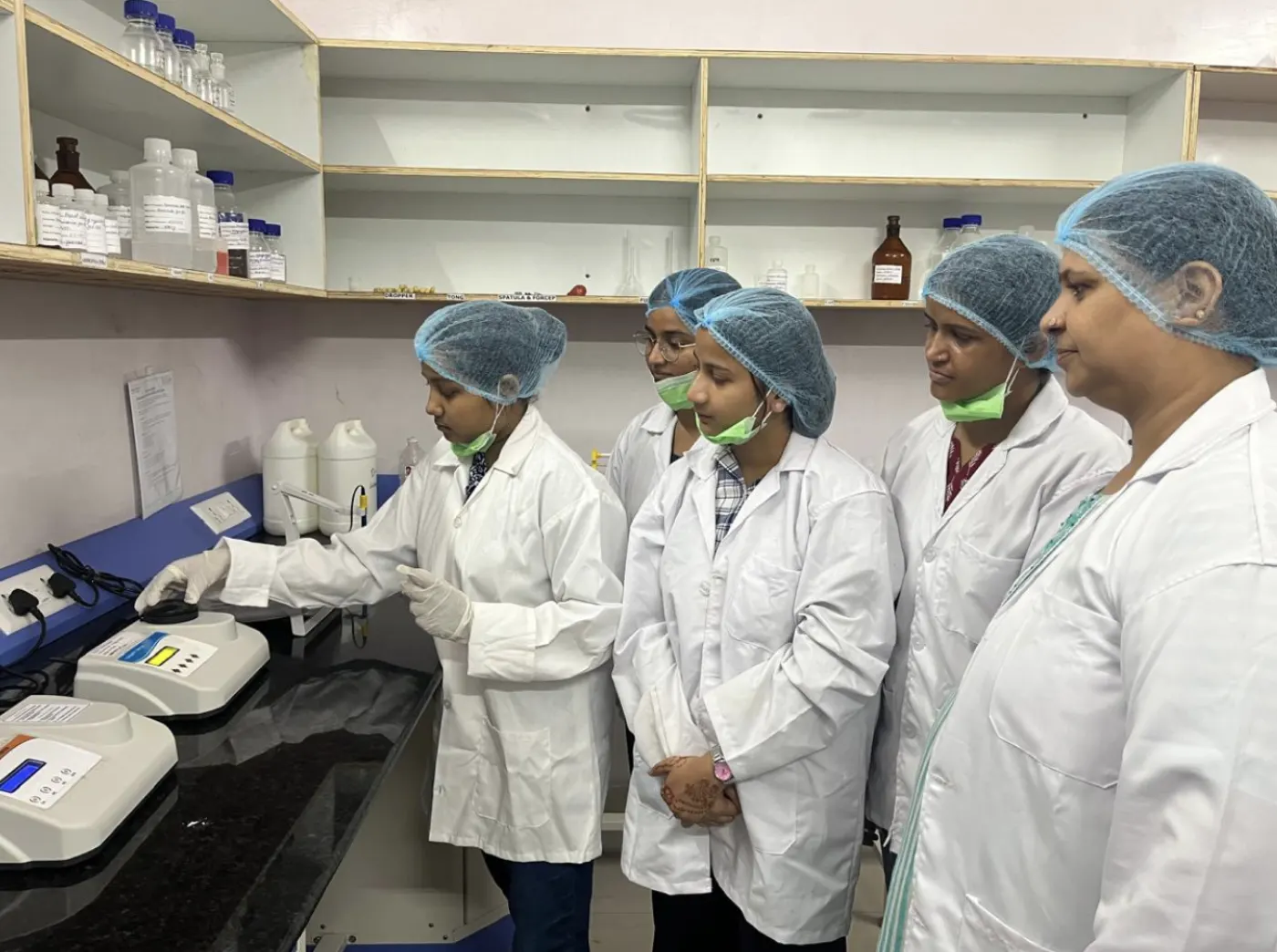
Image: Analytical Water Chemistry & Certified NABL Testing Laboratory (Rispri Labs)