
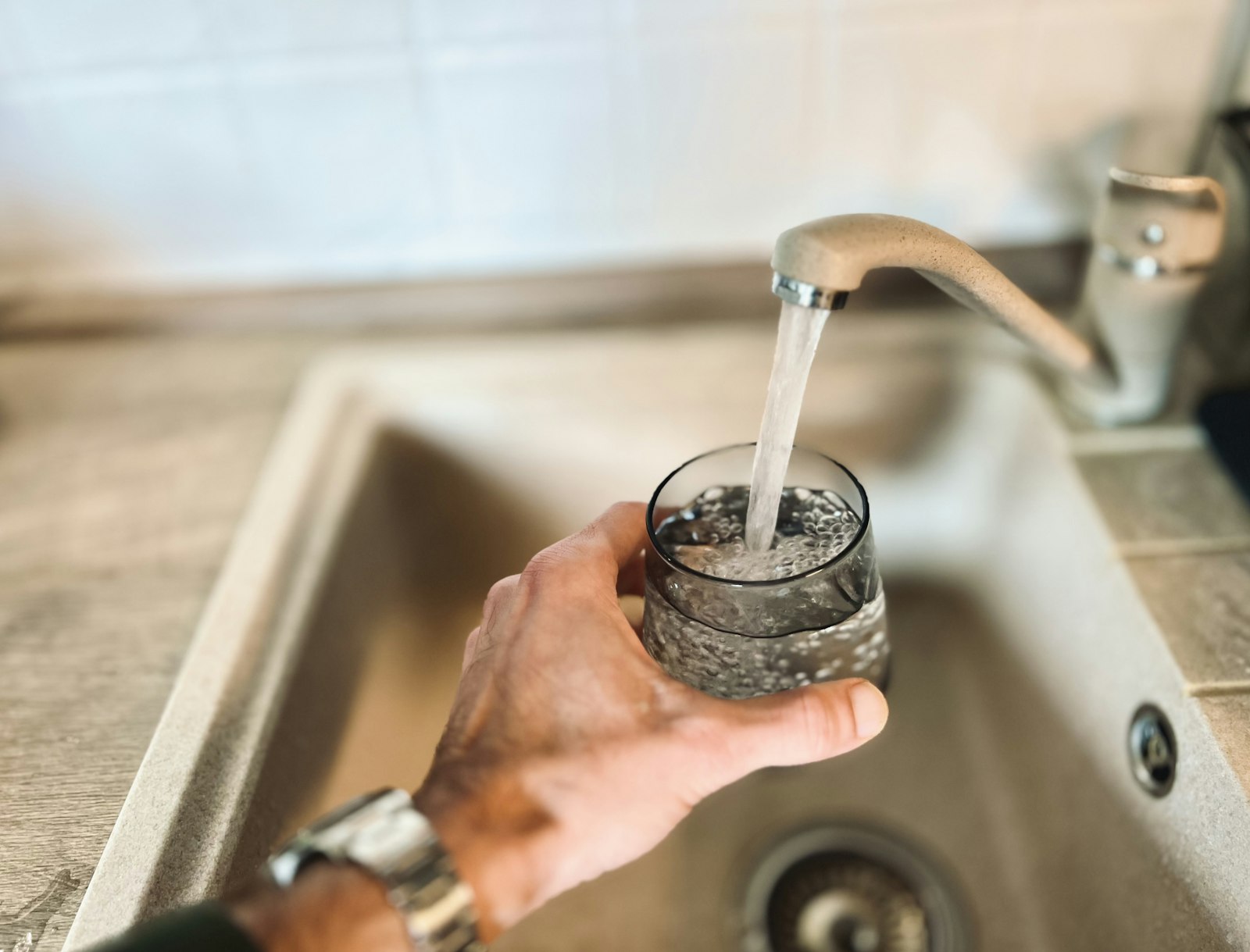
The advocacy group's estimate combines EPA and state data, and it comes as the agency moves to drop limits on four PFAS.
In brief
The Environmental Working Group said on 5 November 2026 that about 197 million people in the US drink water contaminated with PFAS, based on EPA test data and recent state results. That is 23 million more than earlier EPA tests showed. The group says the UCMR 5 data show 3,595 sites with detectable PFAS. The figures are the group's own analysis, and detection does not mean a utility is breaking a standard.
About 197 million people in the US drink tap water contaminated with PFAS, according to an analysis the Environmental Working Group (EWG) released on 5 November 2026. The group based the estimate on EPA test data and recent state results. It says the figure is 23 million higher than earlier EPA tests showed, and close to its own 2020 estimate of 200 million.
Where the numbers come from
The EPA data come from the Fifth Unregulated Contaminant Monitoring Rule, or UCMR 5, which required US utilities to test for 29 PFAS compounds. EWG says the last installment reveals 3,595 sites with detectable PFAS, taking its count of known contaminated sites to 13,459. EWG is an advocacy group, and these totals are its own. Its count of sites also goes beyond drinking water results.
Two cautions apply. UCMR 5 measures occurrence, so a detection is not the same as a breach of a drinking water limit. The timing is also unclear: EWG describes these as new findings, while the EPA's data page has listed the final dataset as released earlier. We could not reconcile the two, and we report the 197 million figure as EWG's estimate.
The rules are changing at the same time
EWG says the EPA is in the final stages of rolling back limits on four PFAS: GenX, PFBS, PFNA and PFHxS. The agency plans to keep the 4 parts per trillion standards for PFOA and PFOS but extend the compliance deadline to 2031. EWG argues that this likely conflicts with an anti-backsliding provision in the Safe Drinking Water Act. That is the group's legal view, and no court has ruled on it.
What it means outside the US
The group points to reverse osmosis and activated carbon filters as effective for homes, provided filters are changed as recommended. David Andrews, its chief science officer, said regulators must hold polluters accountable and make sure utilities have the resources to remove these chemicals.
For Indian utilities and industries, the headline number matters less than the method. The US picture exists because utilities were required to test for 29 compounds. Without that kind of testing, a country simply does not know how much PFAS is in its water.
Why it matters
Testing at this scale shows how far PFAS has spread once a country actually looks for it. India has no comparable nationwide dataset, so the useful lesson for utilities and industries here is to start measuring.
Sources
Environmental Working Group: Toxic forever chemicals found in tap water of 197M Americans (5 November 2026)Read original ↗US EPA: Occurrence data from the Unregulated Contaminant Monitoring Rule↗EWG: Interactive map of PFAS contamination↗Found an error? See the Corrections Policy.
Image: Swanky Fella / Unsplash