
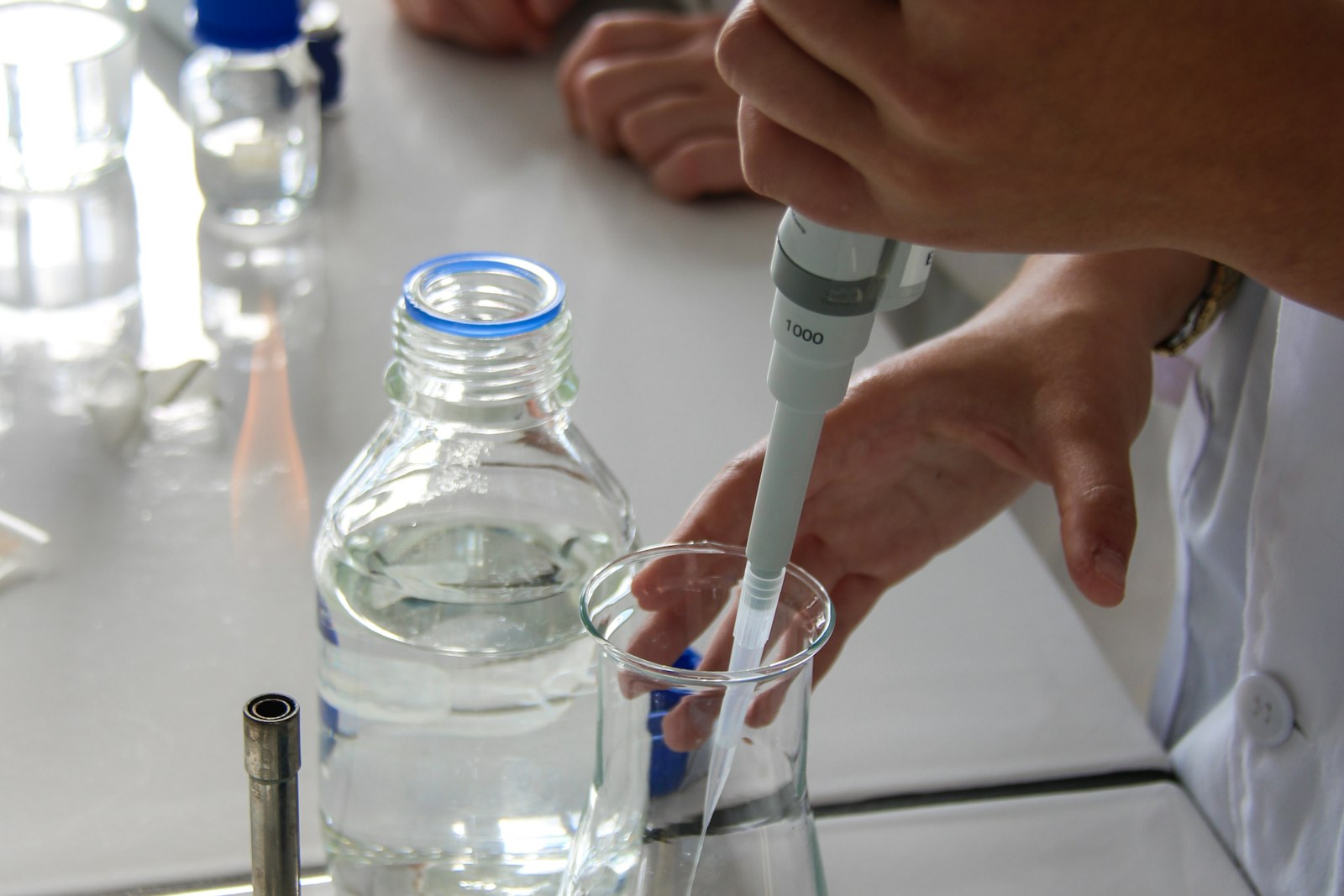
The method pairs online solid-phase extraction with LC-MS/MS, reaching detection limits of 1.74 ng/L for PFOA and 3.65 ng/L for PFOS, against conventional workflows that can take over six hours.
In brief
A team at Florida International University has developed an automated method that analyses PFAS in water in about 30 minutes, using online solid-phase extraction coupled with liquid chromatography tandem mass spectrometry, as published in the Journal of Chromatography A. Applied to Miami-Dade wastewater, it found short-chain PFAS dominated, with combined levels of 37 PFAS in effluent ranging from 467 ng/L in the dry season to 1,251 ng/L in the wet season.
Measuring PFAS at the levels regulators now care about usually means hours of sample preparation before a sample reaches the instrument. Researchers at Florida International University (FIU) say they have cut that to about 30 minutes per analysis. Their method, described in the Journal of Chromatography A and reported by Smart Water Magazine on 28 October 2026, couples automated online solid-phase extraction (SPE) with liquid chromatography tandem mass spectrometry (LC-MS/MS), so the extraction and the measurement happen in one run.
How it works
Samples are centrifuged, filtered and diluted, then extracted and analysed automatically. The approach uses smaller samples and less solvent than conventional methods, which can need up to 500 mL of sample. Reported detection limits are 1.74 ng/L for PFOA and 3.65 ng/L for PFOS. The method is designed to capture smaller and larger PFAS molecules in the same run, and the team says it is working to extend coverage to the smallest compounds.
What it found in Miami-Dade wastewater
The team tested influent, treated effluent and septage. Short-chain PFAS dominated, and the highest levels came from septic discharges from domestic and grease-trap sources. PFBA was found in every wastewater sample, at 77 to 1,908 ng/L. The combined concentration of 37 PFAS in effluent was 467 ng/L in the dry season and 1,251 ng/L in the wet season. Removal through treatment varied by compound and season: only two compounds showed measurable removal in the dry season, while several were fully removed in the wet season.
The method is not yet a standard. FIU says certification would need extensive validation across independent laboratories, and postdoctoral researcher Maria Guerra de Navarro said EPA should consider adding this kind of technology to a standard method given demand for PFAS monitoring. She also noted that neither wastewater nor drinking water plants in the region currently treat for PFAS, so the chemicals move through the water cycle. The team is now working on tap water, human serum samples and a simpler total-PFAS method that could handle about 20 samples a day.
Why it matters
PFAS rules are only as enforceable as the labs that measure them, and slow, solvent-heavy methods keep testing expensive. Faster workflows matter for Indian labs too, as exporters and regulators start asking for PFAS data on effluent and process water.
Sources
Smart Water Magazine: Researchers develop 30-minute test for PFAS in water (28 October 2026)Read original ↗Journal of Chromatography A (ScienceDirect): paper abstract↗Found an error? See the Corrections Policy.
Image: Nathan Rimoux / Unsplash