
A cotton T-shirt, a chocolate bar, a smartphone - the hidden water cost of ordinary things is bigger, and stranger, than it looks.
In brief
The "water footprint" of everyday products - all the water used to grow, process and manufacture them, not just what comes out of a tap - runs far higher than most people guess: roughly 2,700 litres for a cotton T-shirt, thousands more for a pair of jeans, about 130 litres for a single cup of coffee, and nearly 13,000 litres across a smartphone's full manufacturing lifecycle.
You see, every product you own has a second, invisible ingredient list - and for anything made of cotton, grown, or assembled from mined metals, that ingredient is water, in quantities that would surprise most people who've never gone looking for the number.
The T-shirt in your drawer
A plain 250-gram cotton T-shirt takes roughly 2,700 litres of water to produce, by Water Footprint Network estimates - most of it not in the sewing, but in growing the cotton itself, which is a thirsty crop even before it reaches a factory. That's about as much drinking water as one person gets through in two and a half years, sitting quietly inside a piece of clothing that costs a few hundred rupees.
It gets stranger from there
A pair of jeans, being heavier and needing more washing during manufacture, runs higher still - Water Footprint Network founder Arjen Hoekstra's own estimate puts a 1kg pair at 11,800 litres, while other commonly cited figures land closer to 8,000-9,000 litres. That spread is worth being upfront about: water footprint numbers depend heavily on assumptions about where the cotton was grown, how much of that was rain versus irrigation, and which processing steps get counted - so treat any single figure as an informed estimate, not a lab measurement.
It's not just clothing, either. A single cup of coffee carries around 130 litres of embedded water once you count growing, processing and shipping the beans. A chocolate bar runs to roughly 1,700 litres by weight-based estimates. And a smartphone - despite containing no visible water at all - carries an estimated lifecycle footprint of nearly 13,000 litres once mining the raw minerals, manufacturing the components, and treating the wastewater from assembly are all added up.
None of this is a call to action - it's just a genuinely strange fact worth sitting with the next time you're waiting for a coffee: roughly 92% of humanity's entire water footprint, globally, goes into food production alone, which puts a T-shirt's 2,700 litres in useful context. The water crisis isn't only about what comes out of a tap; a meaningful share of it is already spent by the time a product reaches a shelf.
Why it matters
None, really - this one's just a genuinely fun number to have in your back pocket at a dinner party. If it does anything useful, it's making the abstract idea of "water scarcity" concrete: the water crisis isn't only about taps, it's baked into the supply chains behind ordinary shopping.
Sources
Water Footprint Network (Hoekstra & Mekonnen)Read original ↗Water Footprint Calculator - the hidden water in everyday products↗Stacker - how much water it takes to create 30 common items↗Found an error? See the Corrections Policy.
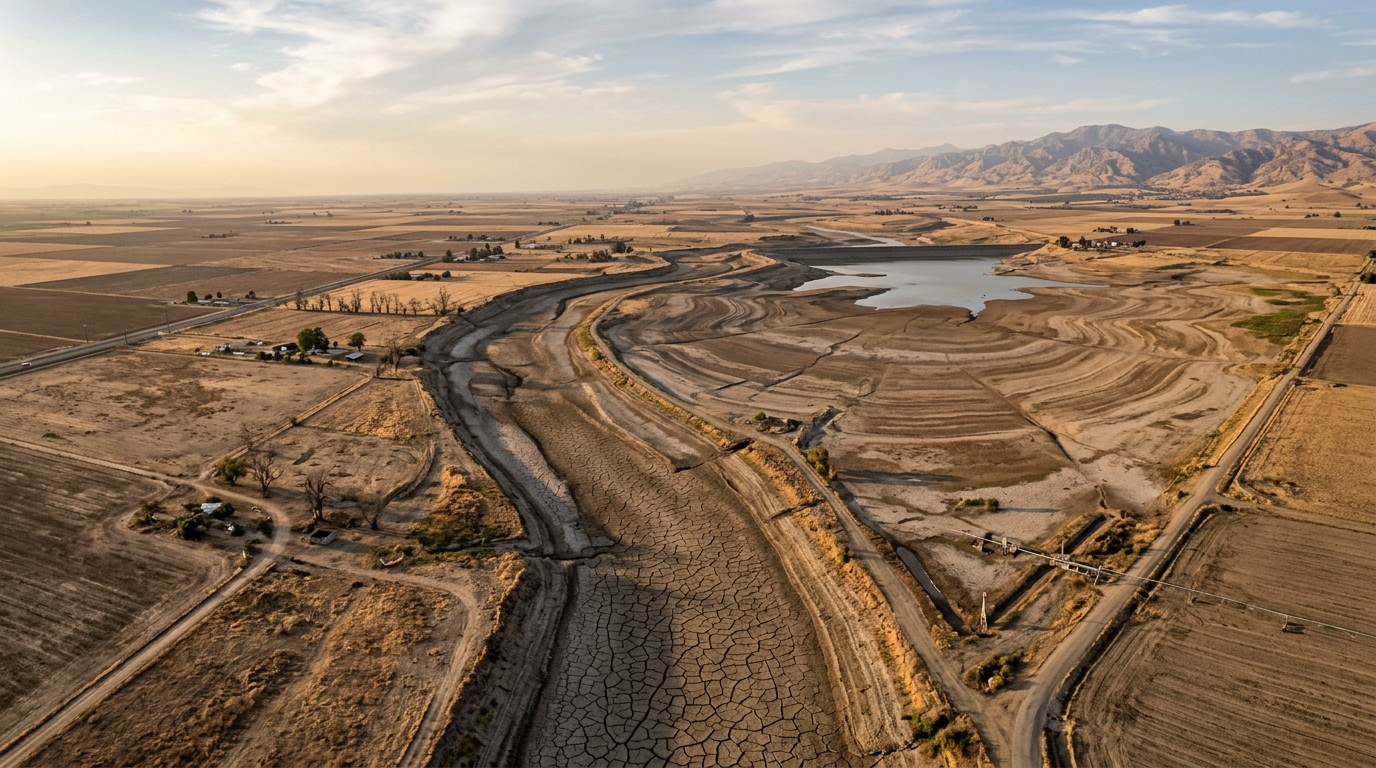
Image: Global Hydrological Assessment & Arid River Basin Soil Moisture Deficit