
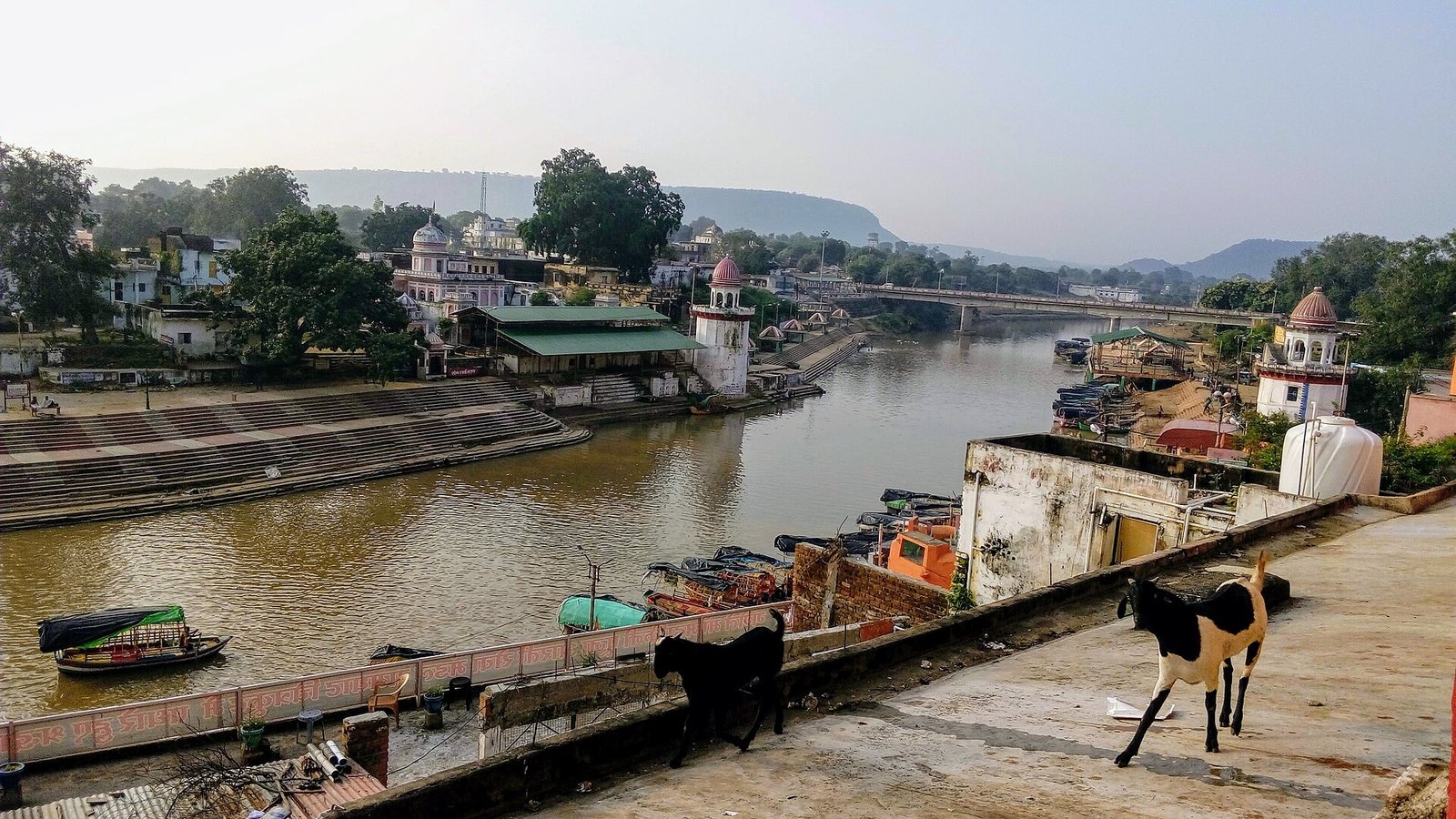
The town's sewage treatment plant is still being built, and a good water test after the monsoon does not change what is flowing into the river.
In brief
The National Green Tribunal has flagged waste management gaps and a non-functioning sewage treatment plant leading to untreated wastewater from hotels, dharamshalas and ashrams reaching the Mandakini at Chitrakoot, Free Press Journal reported on 27 November 2026. The state pollution board has issued notices to 103 establishments.
The Mandakini at Chitrakoot is receiving untreated sewage, and the National Green Tribunal (NGT) has taken note. Free Press Journal reported on 27 November 2026 that the tribunal flagged gaps in the generation and treatment of solid and liquid waste, along with a non-functioning sewage treatment plant (STP), leading to untreated wastewater from numerous hotels, dharamshalas, ashrams and other establishments entering the river.
The legal point
As per the order described by the newspaper, discharge into the Mandakini, whether directly or through drains, violates the Water (Prevention and Control of Pollution) Act, 1974.
Notices to 103 units
The Satna regional office of the Madhya Pradesh Pollution Control Board (MPPCB) has issued statutory notices to 103 units, including hotels, dharamshalas, guest houses and other establishments. They have been directed to take corrective action and ensure that no untreated water reaches the river directly or indirectly. A notice is a demand to act; it is not a finding of penalty.
The missing plant
The board told the tribunal that construction of the proposed STP for Chitrakoot town is under way. On the date of inspection it was not complete and commissioning had not started. With no operating plant, there was no arrangement for proper treatment of the wastewater and domestic sewage generated in the municipal area.
Why the test results can mislead
Inspectors sampled the river and major drains. The water quality results were within prescribed limits at the time, which the report attributes to the monsoon season and the river's capacity to clean itself. It adds plainly that untreated sewage is nonetheless being discharged directly into the river. Higher flow dilutes pollution, so a good reading in or just after the rains says little about conditions when the river runs low.
What to watch next
The report does not give a completion date for the town plant or the next hearing date. The useful markers are whether establishments install or connect treatment, whether drains are intercepted, and what sampling shows in the drier months.
Why it matters
Results within limits after the monsoon show the river diluting and cleaning itself, not that the sewage has stopped. Dry months leave less water to do that work.
The main source was published on 27 November 2026.
Found an error? See the Corrections Policy.