
A 20% revenue increase and a near-wipeout in profit, in the same earnings release. Here's what's actually happening underneath both numbers.
In brief
Ion Exchange (India) Ltd - one of India's oldest water treatment companies - grew consolidated revenue 20% year on year to ₹701 crore in the quarter ended June 2026, while net profit collapsed 94% to just ₹3.1 crore, hit by legacy project costs, depreciation from a new Roha facility, and disruption in its specialty chemicals segment. At the same time, the company restructured into five business segments and unveiled a new strategy betting on lithium extraction, semiconductor ultrapure water, and data-centre cooling solutions.
You'd expect a company betting big on lithium extraction and semiconductor-grade ultrapure water to be riding high on its latest earnings call. Ion Exchange (India) Ltd - one of the country's oldest names in water and wastewater treatment - posted the opposite in the quarter ended June 2026: revenue up a healthy 20% to ₹701 crore, and net profit down 94% to just ₹3.1 crore. Both numbers are real, and both are part of the same story.
Where the profit actually went
Consolidated EBITDA nearly halved, falling 49% to ₹31.8 crore, with margin contracting from double digits to roughly 4.5%. Management attributed the squeeze to three overlapping pressures: costs still being worked through on legacy engineering projects, geopolitical disruption affecting the specialty chemicals segment, and higher depreciation from the company's new manufacturing facility at Roha, which only recently came online.
The bet being made underneath the bad quarter
On 10 August 2026, Ion Exchange restructured its reporting from three segments into five - Treatment Solutions, Industrial Products, Lifecycle Services, Specialty Chemicals, and Consumer Products - and laid out a FY27 strategy built around emerging categories: lithium extraction from battery waste and brine using its existing membrane and resin technology, ultrapure water and condensate polishing for semiconductor fabs and data centres, and AI-powered remote asset monitoring sold as a digital layer on top of its physical plants. Alongside that, it announced a 5x expansion of industrial resin capacity and a 6x expansion of pharma resin capacity at Ankleshwar, aiming to lift global resin market share from low single digits toward 10-17%.
None of this is invented from nothing - Ion Exchange already makes the ion-exchange resins and membranes that lithium recovery and ultrapure water both depend on. The order book gives some reason for patience too: ₹2,473 crore on hand as of June 2026, against a bid pipeline of ₹9,777 crore, a roughly 4:1 ratio that suggests the company sees more coming, not less. A separate contract from Hyundai Engineering & Construction worth $52.83 million wasn't even counted in those figures yet.
The honest read: this is a company absorbing real, quantifiable pain from a facility ramp-up and legacy project drag at exactly the moment it's asking investors to believe in a multi-year pivot toward lithium and semiconductors. Whether the FY27 diversification pays off before the core business's margins recover - or whether the Roha ramp-up itself is what fixes the margin problem first - is the thing worth watching over the next few quarters, not this one.
Why it matters
Ion Exchange's rough quarter, arriving in the same breath as its most ambitious diversification plan in years, is a genuinely honest case study in what it costs a legacy water treatment company to reposition itself for higher-growth adjacent markets - not a straightforward growth story.
Sources
Investing.com - Ion Exchange Q1 FY27 resultsRead original ↗ScanX Trade - Ion Exchange unveils FY27 strategy with five new segments↗ScanX Trade - Ion Exchange Q1 results, revenue up 20%, net profit falls 94%↗ScanX Trade - Ion Exchange FY26 results, net profit falls 35% to ₹138 crore↗Found an error? See the Corrections Policy.
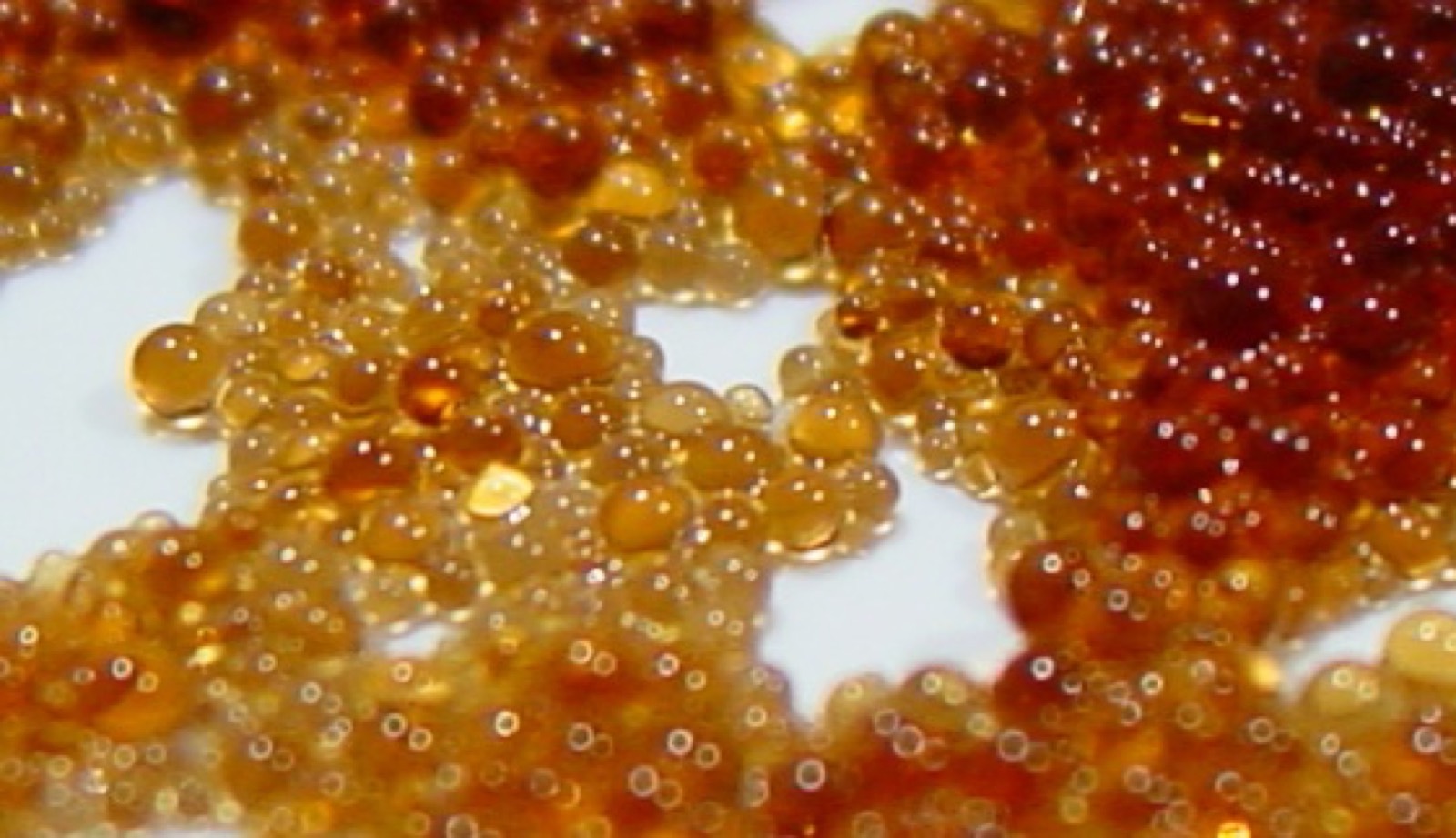
Image: Industrial Ion-Exchange Resin & Ultrapure Water Demineralization Infrastructure