
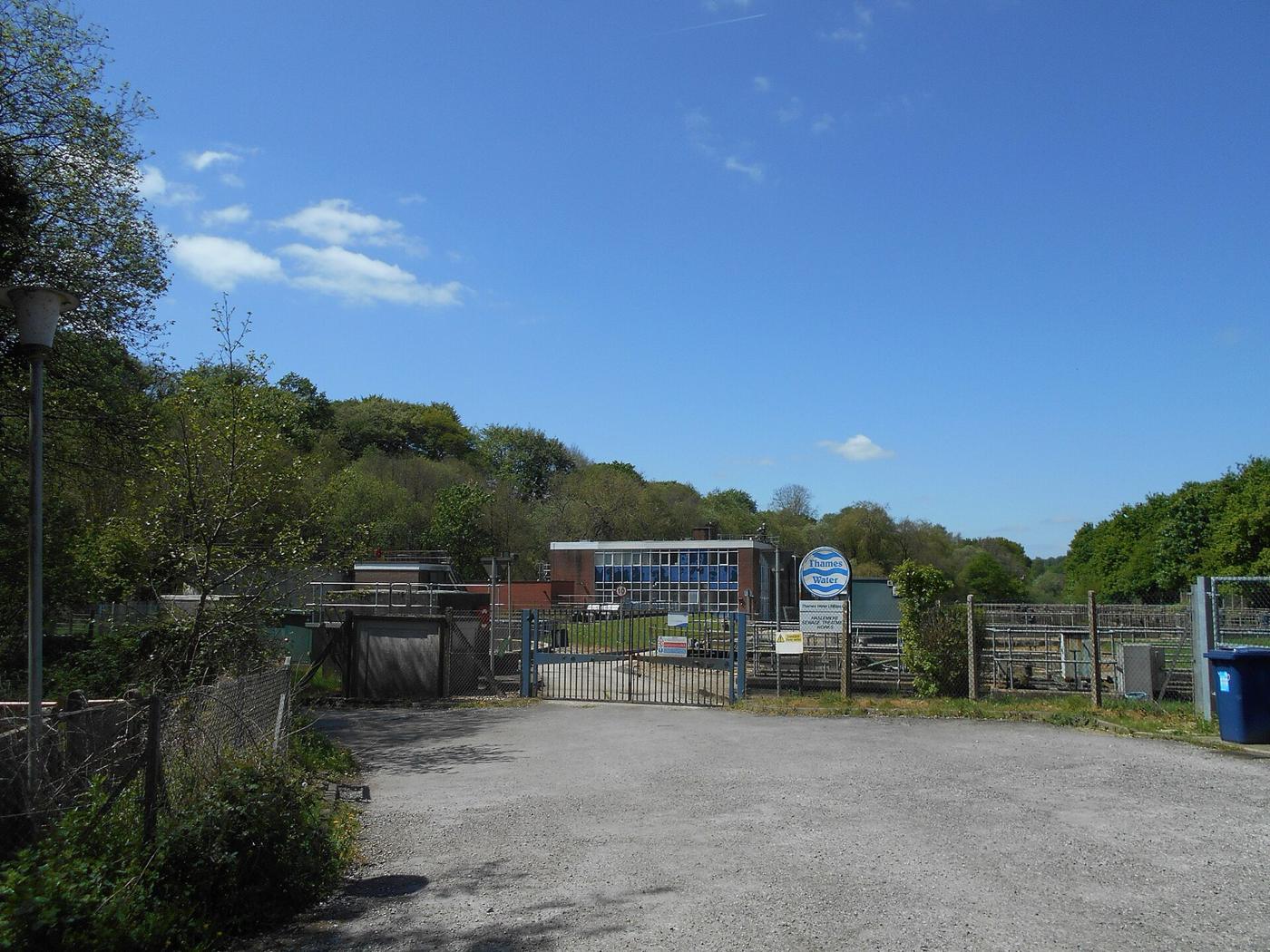
England and Wales' regulator says balance sheets are stronger going into the £105bn 2025–30 programme, yet leakage, pollution and supply interruptions cut average returns well below the allowed base.
In brief
Ofwat's annual Monitoring Financial Resilience report finds average regulatory gearing across water companies in England and Wales fell from 68% to 66% in the year to 31 March 2026, helped by about £1.8bn of new shareholder equity. But operational underperformance knocked 3.4 percentage points off returns, leaving the sector average at 3.32% against a 5.60% base.
Ofwat's latest financial resilience review covers the first year of the 2025–2030 price-control period, when water and sewerage companies in England and Wales began a £105 billion investment programme. Its headline finding is that balance sheets have improved: average regulatory gearing fell from 68% to 66% in the year to 31 March 2026, and eleven companies reported lower gearing.
The largest injections went to Southern Water (£900m), Northumbrian (£400m), South East (£200m), Anglian (£170m) and Affinity (£150m). Six companies remain at or above 70% gearing, which Ofwat regards as inconsistent with long-term resilience: Anglian, Southern, Thames, Wessex, Yorkshire and Affinity. Thames Water is the outlier at 86.2% and remains under the regulator's Turnaround Oversight Regime.
Stronger funding, weaker delivery
The less flattering half of the report is about performance. The sector's average return on regulated equity was 3.32% in 2025/26 against a 5.60% base return, because operational underperformance subtracted 3.40 percentage points. Ofwat names leakage, pollution incidents and supply interruptions as the main shortfalls. Only Severn Trent, United Utilities and Affinity Water beat their base returns.
South East Water stays in the 'Action Required' category after losing the two investment-grade ratings its licence requires, and Grant Thornton was appointed as its independent monitor in October. Dividends across the sector still rose, to £845m from £645m, although Thames, Southern and South East are under cash lock-up and need Ofwat's consent to pay any.
Why it matters
Money alone is not fixing performance: the shortfalls Ofwat names (leakage, pollution incidents, supply interruptions) are operational and treatment problems, which is where the next five years of spending will be judged.
Sources
Smart Water Magazine, reporting Ofwat's Monitoring Financial Resilience Report (21 October 2026)Read original ↗Water Magazine: Ofwat reports improved financial resilience across most water companies (22 Oct 2026)↗Found an error? See the Corrections Policy.