
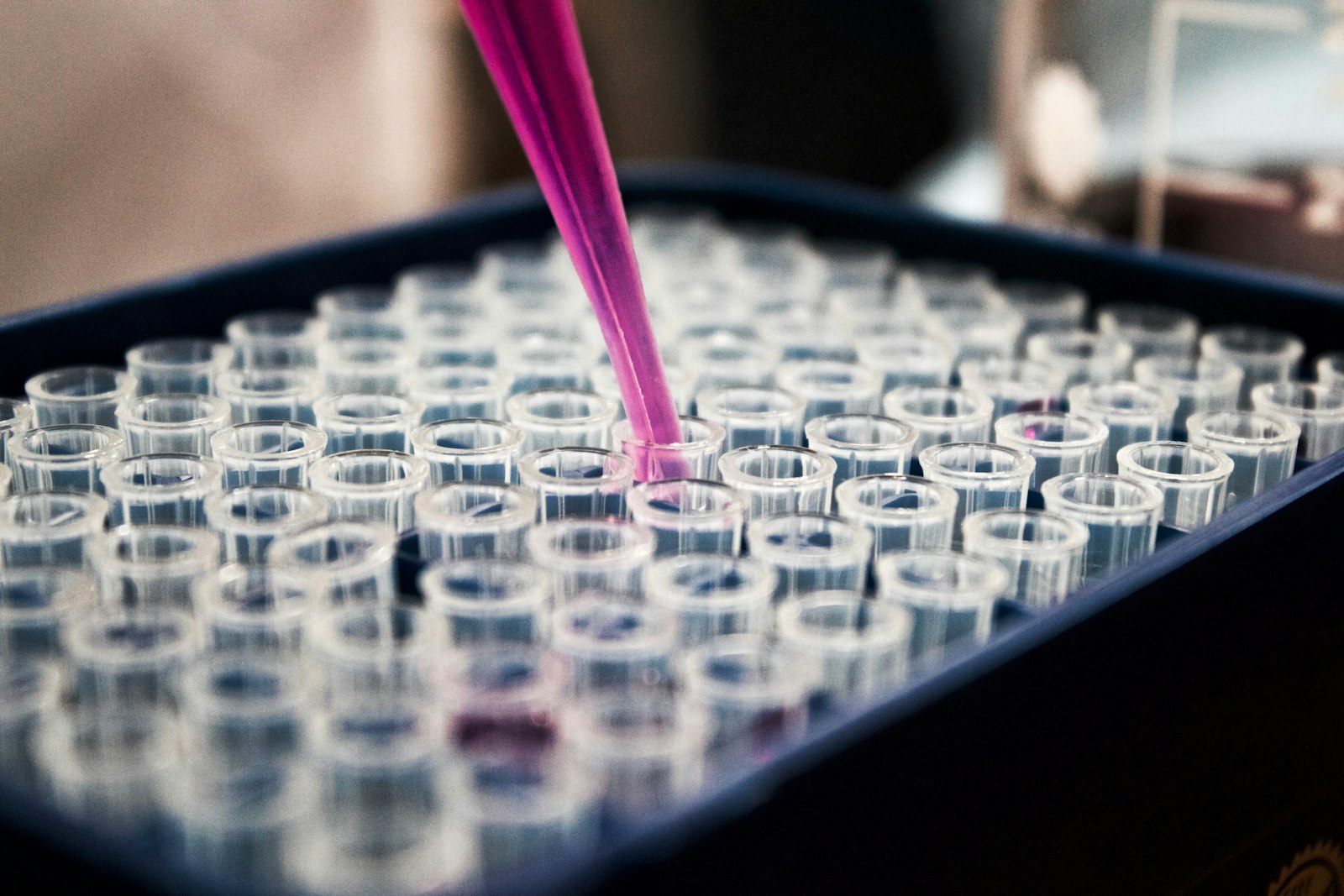
The chemistry that won a Nobel Prize is now being tuned to pull water straight out of the air.
In brief
Building on the metal - organic framework (MOF) chemistry recognised by the 2025 Nobel Prize in Chemistry, researchers at Kiel University published two peer - reviewed studies in July 2026 on CAU - 10 - H, a MOF that captures water from air at humidity as low as 18% and releases it on mild heating - with pilot - scale production costed at a commercially plausible $12 - 14 per kilogram.
The same chemistry that won a Nobel Prize in 2025 is now being pointed at one of the oldest problems in water access: pulling drinking water directly out of the air, without a river, an aquifer or a pipe in sight.
How CAU - 10 - H actually works
The material captures water at room temperature at relative humidity as low as 18%, and releases the captured water again at around 70°C - a mild enough temperature that low - grade waste heat or solar - thermal input could plausibly drive the release step. Under dry conditions, water uptake reaches 0.17 grams of water per gram of material.
Why the price point is the actual news
Pilot - scale manufacturing was costed at $12 - 14 per kilogram - for a materials class that has historically been expensive to produce, that number is what determines whether this stays a lab curiosity or becomes commercially viable at scale. AirJoule, a separate MOF - based atmospheric water harvester already on the market, delivers roughly 5 litres of water per kilowatt - hour, giving a live benchmark for what "good enough to sell" currently looks like.
None of this is aimed at industrial - scale effluent or process water treatment. It's a decentralised, small - scale, humidity - dependent technology - most relevant to off - grid drinking water access in humid but water - scarce regions, not to the volumes an ETP, STP or RO plant is built to handle.
It's worth being honest about scale here: this is decentralised, small-volume, humidity-dependent technology aimed at off-grid drinking water access - genuinely promising for that use case, but nowhere near the volumes an ETP, STP or RO plant is built to handle. The number to watch is the pilot-scale production cost, because that's what decides whether this stays a lab result or becomes a real product category.
Why it matters
This is genuinely early - stage, lab - and - pilot research aimed at decentralised and off - grid drinking water access, not a substitute for engineered treatment at industrial or municipal scale - worth tracking as a materials - science trend rather than a near - term product category.
Found an error? See the Corrections Policy.
Image: Analytical Water Chemistry & Treatment Process Engineering