
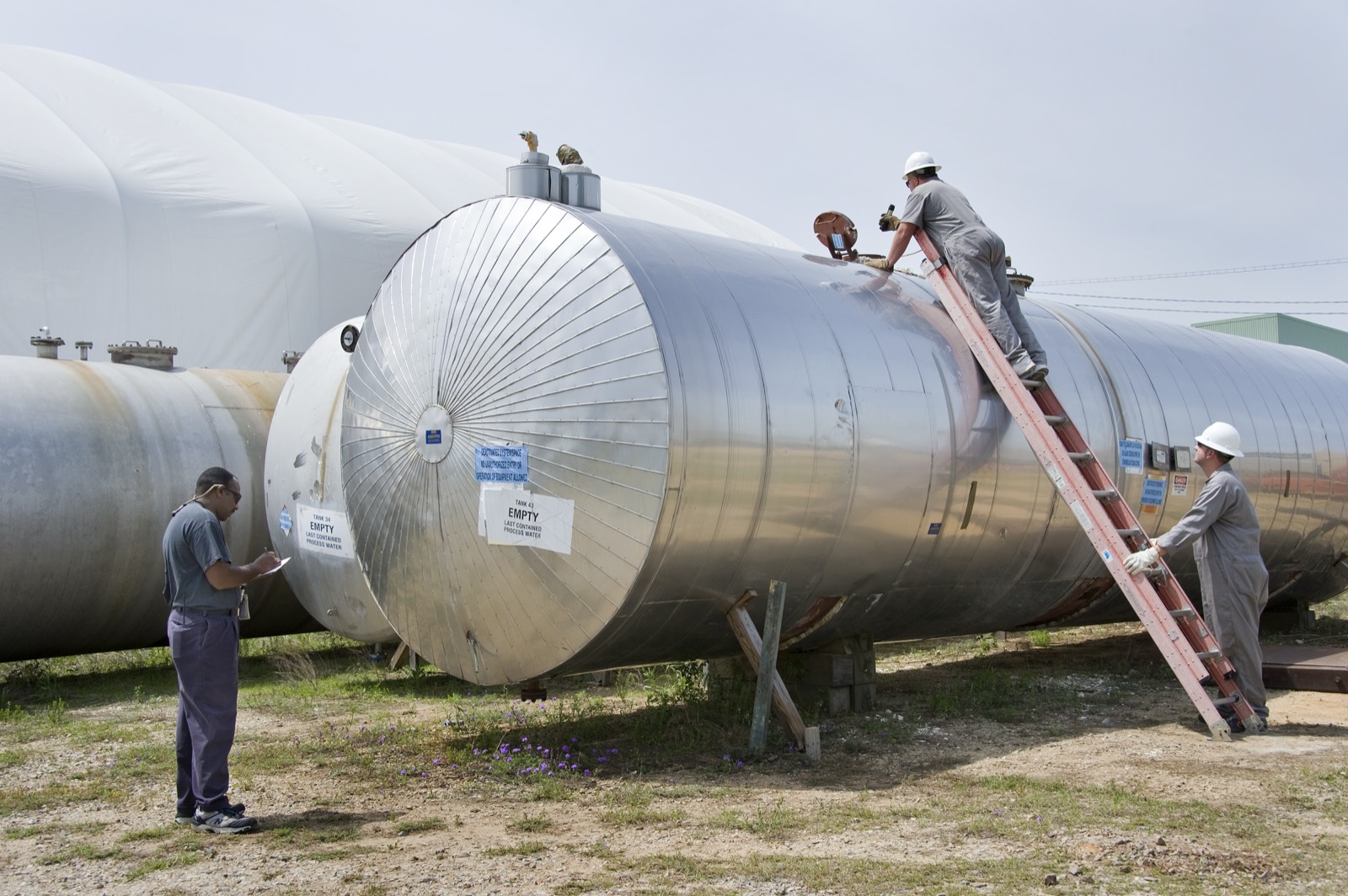
Advanced chemical precipitation overcomes EDTA and ammonia masking, dropping copper, nickel, and hexavalent chromium concentrations below 0.05 mg/L across fluctuating pH ranges.
In brief
Applied environmental chemistry research released on October 16, 2026, details how functionalized dithiocarbamate (DTC) polymers overcome strong synthetic chelating agents in metal finishing wastewater. In full-scale plating effluent trials, the organosulfur precipitants formed ultra-stable insoluble covalent metal-sulfur coordination complexes, reducing dissolved nickel and copper to <0.05 mg/L.
Electroplating, printed circuit board (PCB), and metal finishing facilities utilize high-performance complexing agents—such as EDTA, gluconates, tartrates, and ammonia—to stabilize metal ions in plating baths. When rinsed, these strong synthetic chelates bind copper, nickel, and zinc ions, preventing standard lime or caustic soda from precipitating them as metal hydroxides.
Thermodynamic Stability of Metal-Sulfur Bonds
The research team developed water-soluble polymeric dithiocarbamate derivatives carrying multiple active dithiocarbamate groups (-CSS-). Because sulfur atoms act as soft Lewis bases with an overwhelming affinity for soft and borderline metal cations, the organosulfur chelants displace EDTA and ammonia from the metal coordination sphere via competitive thermodynamic ligand exchange.
The resulting organometallic polymer precipitates form dense, heavy flocs that settle rapidly within conventional lamella clarifiers without requiring narrow pH adjustments. The reaction proceeds efficiently across a broad pH window of 4.5 to 10.5.
Unlike metal hydroxides that readily redissolve into hazardous leachate under mildly acidic landfill conditions, dithiocarbamate-metal precipitates pass the Toxicity Characteristic Leaching Procedure (TCLP) with zero heavy metal desorption.
Metal finishing operations are replacing legacy sulfide and hydroxide dosing lines with formulated organosulfur chemistries to satisfy tightened zero-discharge metal limits.
Why it matters
Solves one of the most stubborn compliance challenges in electroplating and printed circuit board manufacturing: heavy metal complexes that bypass conventional hydroxide precipitation clarifiers.
Sources
Water Research & Industrial Wastewater Chemistry (October 16, 2026)Read original ↗Water Research Electroplating Wastewater Treatment Archive↗Rispri Labs Industrial Chemical Coagulation & Effluent Formulations↗Found an error? See the Corrections Policy.
Image: Industrial Chemical Processing & Zero Liquid Discharge Facility