
A 2026 study using a Ti₄O₇ anode removed 78% of target PFAS from a concentrated waste, but also created new PFAS it had not expected.
In brief
A study published on 3 August 2026 in Frontiers in Environmental Engineering treated PFAS-laden "still bottoms" from ion-exchange resin regeneration with electrochemical oxidation using a titanium suboxide (Ti₄O₇) anode. Target PFAS fell by 78% over 320 hours. But about 66% of the removed organic fluorine could not be accounted for, and new PFAS appeared during treatment.
PFAS are "forever chemicals". Their carbon-fluorine bonds are very hard to break, so filters usually just capture them and move the problem elsewhere. Electrochemical oxidation (EO) tries to destroy them with electricity instead.
What the study did
Researchers led by Yifei Wang and Qingguo Huang treated "still bottoms", a concentrated waste left over when ion-exchange resins that captured PFAS from groundwater are regenerated. They used an anode made of Ti₄O₇ (titanium suboxide, a ceramic that conducts electricity) in a closed reactor, and tracked fluorine in solids, liquid and gas.
PFOS and PFOA fell the most, by 85% and 75%. Short-chain PFAS fell by 67% to 78%. Most of the fluorine released from the target PFAS turned up on the anode and in precipitate.
The details most reports missed
About 66% of the removed total organic fluorine could not be accounted for. It may be trapped in tiny particles or have escaped as gas. New, unexpected PFAS also appeared after treatment, probably released from fluorinated polymers in the waste. And the closed reactor slowed degradation compared with open systems.
Earlier lab work with a reactive electrochemical membrane, where water flows through a porous Ti₄O₇ membrane that is also the anode, removed about 98% of PFOS. That result was in clean lab conditions, not in a messy real waste like still bottoms.
What it means
Electrochemical destruction of PFAS is promising but not yet proven for real waste streams. Ask any vendor to show a full fluorine balance, not just a drop in a few target compounds.
Why it matters
Destroying PFAS, rather than just capturing it, is the goal. This study shows real progress and also shows why claims of complete destruction need careful checking.
Sources
Frontiers in Environmental Engineering: Fate of PFAS in still bottoms during electrochemical oxidation with a Ti4O7 anodeRead original ↗Environmental Science & Technology: Degradation of PFOS by reactive electrochemical membrane of Magnéli phase titanium suboxide↗SERDP-ESTCP: Reactive electrochemical membrane system for PFAS↗Found an error? See the Corrections Policy.
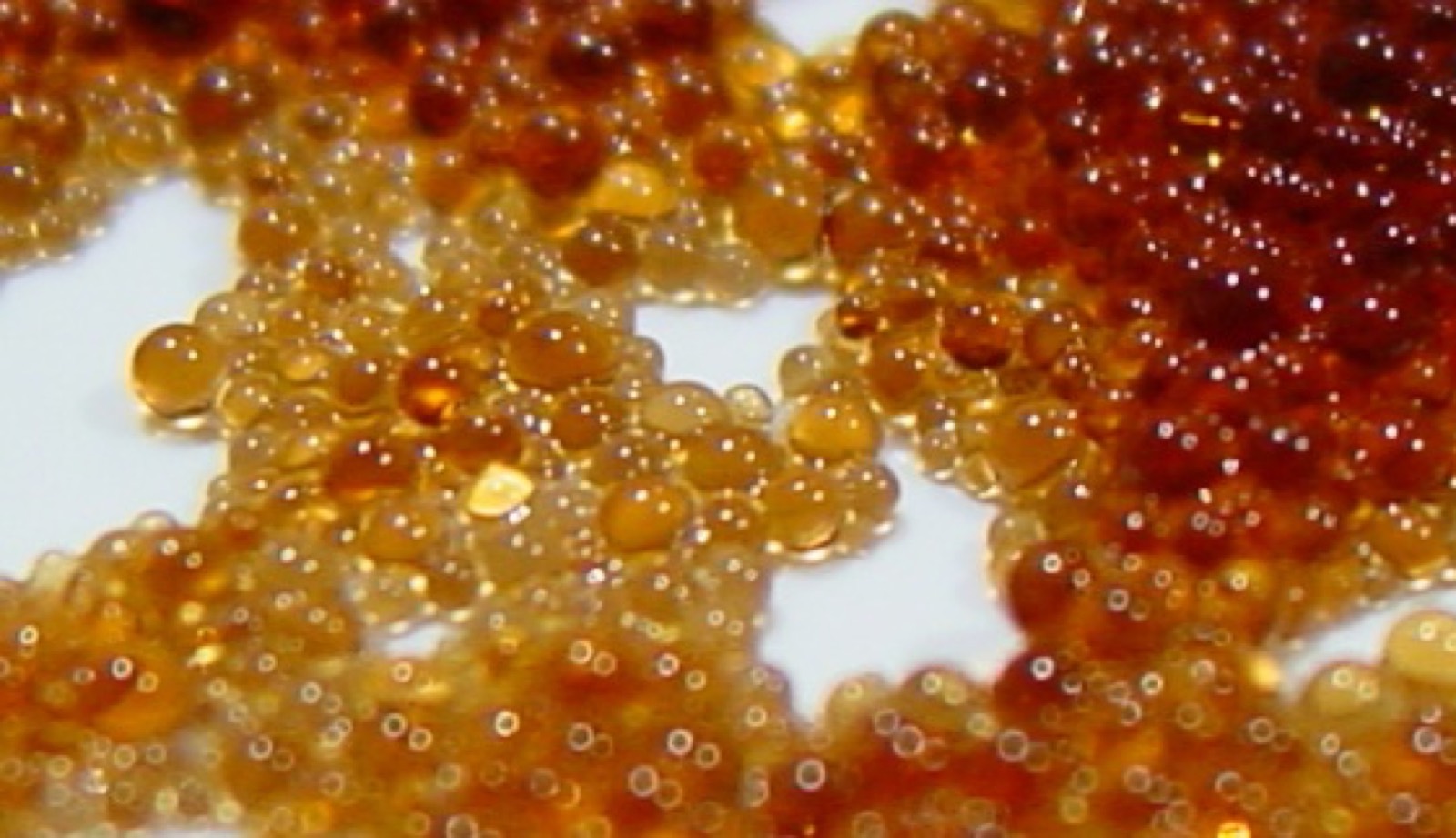
Image: Industrial Ion-Exchange Resin & Ultrapure Water Demineralization Infrastructure