
Revised global guidelines establish stricter safety thresholds for hepatotoxic cyanobacterial metabolites in municipal surface reservoirs facing warming temperatures.
In brief
On October 5, 2026, the World Health Organization (WHO) released an updated technical advisory to the Guidelines for Drinking-water Quality, establishing revised risk thresholds for cyanotoxins, particularly Microcystin-LR and cylindrospermopsin. Driven by rising water temperatures and agricultural nutrient run-off into municipal surface reservoirs, the guidance mandates that municipal water utilities establish dual multi-barrier treatment trains (ozonation and bio-filtration) to neutralize intracellular and dissolved algal toxins.
As global summer surface water temperatures continue to break historical records, municipal drinking water treatment plants are confronting a formidable biological adversary: cyanobacteria (blue-green algae). Eutrophic surface reservoirs enriched by agricultural fertilizer run-off and municipal sewage create ideal breeding grounds for explosive blooms of Microcystis, Anabaena, and Planktothrix.
The Insidious Threat of Microcystin-LR
The primary danger lies not in the algae cells themselves, but in the secondary cyclic heptapeptide metabolites they synthesize: cyanotoxins. Microcystin-LR is a potent hepatotoxin that irreversibly inhibits protein phosphatases in human liver tissue. Chronic low-dose exposure through drinking water is strongly linked to liver damage, gastrointestinal hemorrhage, and elevated cancer risks.
The updated WHO guidance reinforces the lifetime drinking water threshold of 1.0 µg/L for Microcystin-LR and introduces an acute short-term threshold of 12 µg/L for emergency operational interventions during severe bloom outbreaks.
Why Standard Chlorination Can Backfire
The WHO advisory issues a crucial warning to plant operators: do not apply pre-chlorination directly at raw water intakes during active blooms. Oxidizing intact cyanobacterial cells causes cell lysis, spilling massive quantities of intracellular toxins directly into the dissolved water stream where they become far harder to remove.
Utilities should maintain intact cell physical removal via dissolved air flotation (DAF) or clariflocculation, followed by intermediate ozonation and granular activated carbon (GAC) biological filtration to adsorb and destroy dissolved extracellular toxins.
The guidelines emphasize that robust catchment watershed protection and nutrient run-off reduction remain the first and most cost-effective lines of defense for drinking water security.
Why it matters
Provides municipal drinking water utilities with critical protocols to protect urban populations from severe liver toxicity and gastrointestinal illness during harmful algal bloom events.
Sources
World Health Organization Guidelines for Drinking-water Quality Update (October 5, 2026)Read original ↗WHO Cyanotoxins in Drinking Water Technical Factsheet↗Rispri Labs Surface Water Testing & Biological Algal Profiling↗Found an error? See the Corrections Policy.
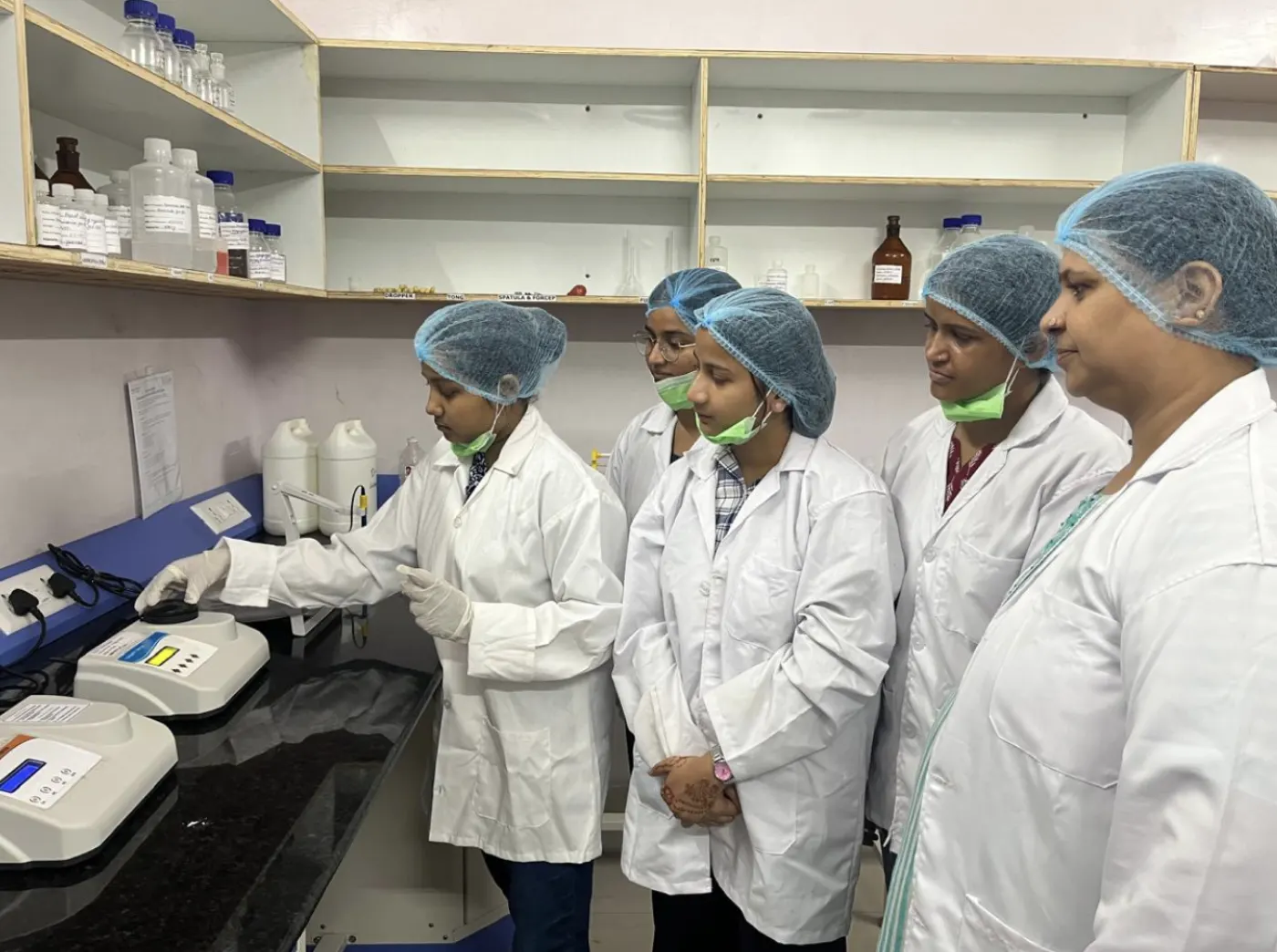
Image: Analytical Water Chemistry & Certified NABL Testing Laboratory (Rispri Labs)