
National standard cuts maximum permissible limits for lead from 0.01 mg/L to 0.005 mg/L, introduces tighter thresholds for total chromium and arsenic, and establishes microplastic surveillance guidance.
In brief
On October 20, 2026, the Bureau of Indian Standards (BIS) officially gazetted the revised Indian Standard for Drinking Water (IS 10500:2026), replacing the earlier 2012 framework. The amended standard introduces significantly lower maximum allowable concentrations for neurotoxic heavy metals—reducing permissible lead levels by 50% to 0.005 mg/L—while setting mandatory testing protocols for emerging chemical contaminants in packaged and piped supplies.
The Bureau of Indian Standards (BIS) has notified IS 10500:2026, marking the first comprehensive overhaul of India's drinking water quality specifications in over a decade. The revised standards reflect contemporary toxicological research on chronic low-level heavy metal exposure and pediatric neurological health.
Key Parameter Revisions and New Thresholds
Under the new gazetted specifications, the acceptable limit for lead is reduced from 0.01 mg/L to 0.005 mg/L, with zero permissible relaxation in absence of alternate sources. Total chromium thresholds have been lowered to 0.02 mg/L, reflecting heightened scrutiny on industrial hexavalent chromium contamination in groundwater.
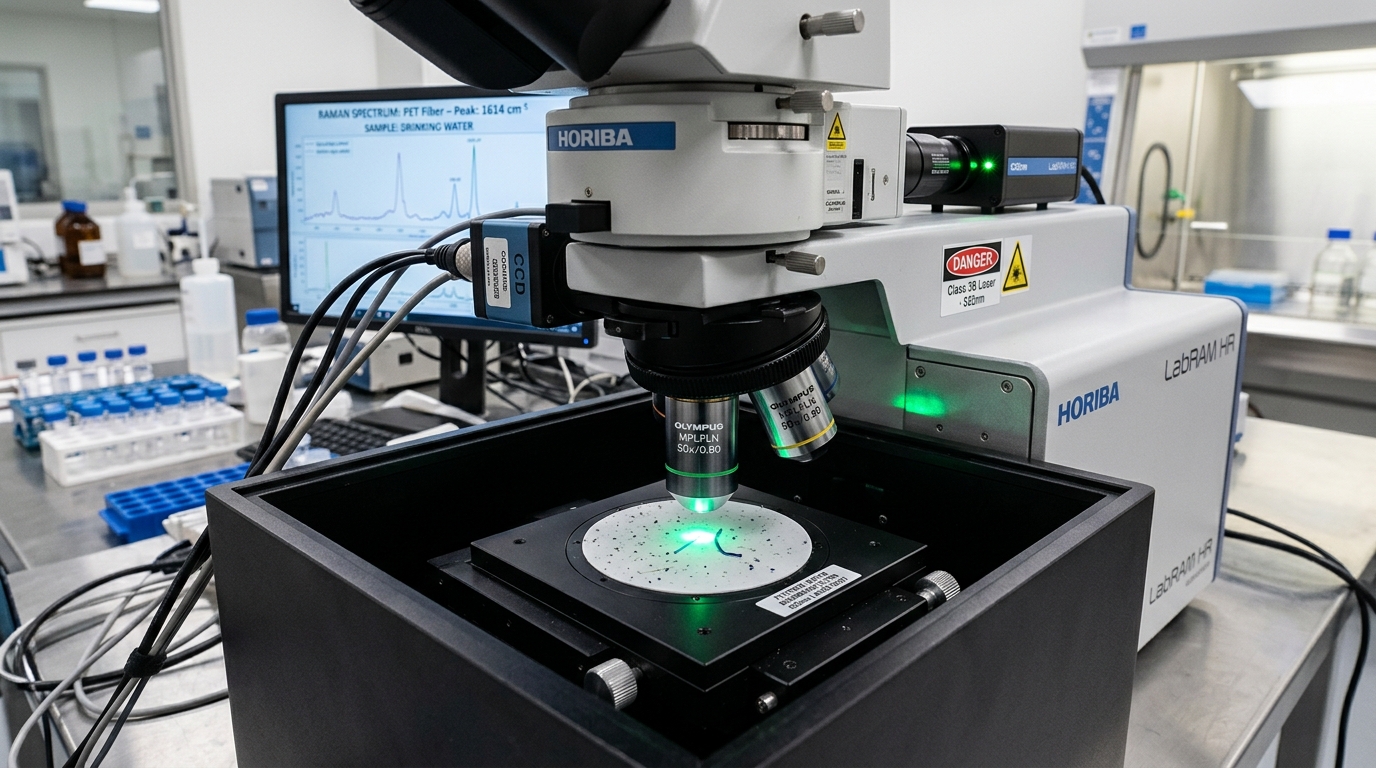
In addition to physical and chemical parameters, IS 10500:2026 introduces an advisory annexure outlining standardized surveillance methods for synthetic microplastics and per- and polyfluoroalkyl substances (PFAS) using high-resolution liquid chromatography-mass spectrometry (LC-MS/MS) and spectroscopic identification.
All public testing certificates and regulatory compliance submissions must originate from NABL-accredited environmental laboratories utilizing ICP-MS or graphite furnace atomic absorption spectrophotometry (GFAAS) capable of achieving limits of quantification below the revised standards.
Packaged water bottlers and municipal supply boards have been granted a six-month transition period to recalibrate treatment processes, test media integrity, and certify output against the 2026 specifications.
Why it matters
Mandates that public water supply utilities, commercial packaged drinking water manufacturers, and institutional facilities upgrade testing procedures and filtration trains to meet stricter health limits.
Sources
Bureau of Indian Standards Gazette Notification (October 20, 2026)Read original ↗Bureau of Indian Standards Technical Committee on Water Quality↗Rispri Labs NABL Accredited Drinking Water Testing Services↗Found an error? See the Corrections Policy.
Image: Laser Spectroscopy (FTIR/Raman) Microplastic Particle Identification in Water