
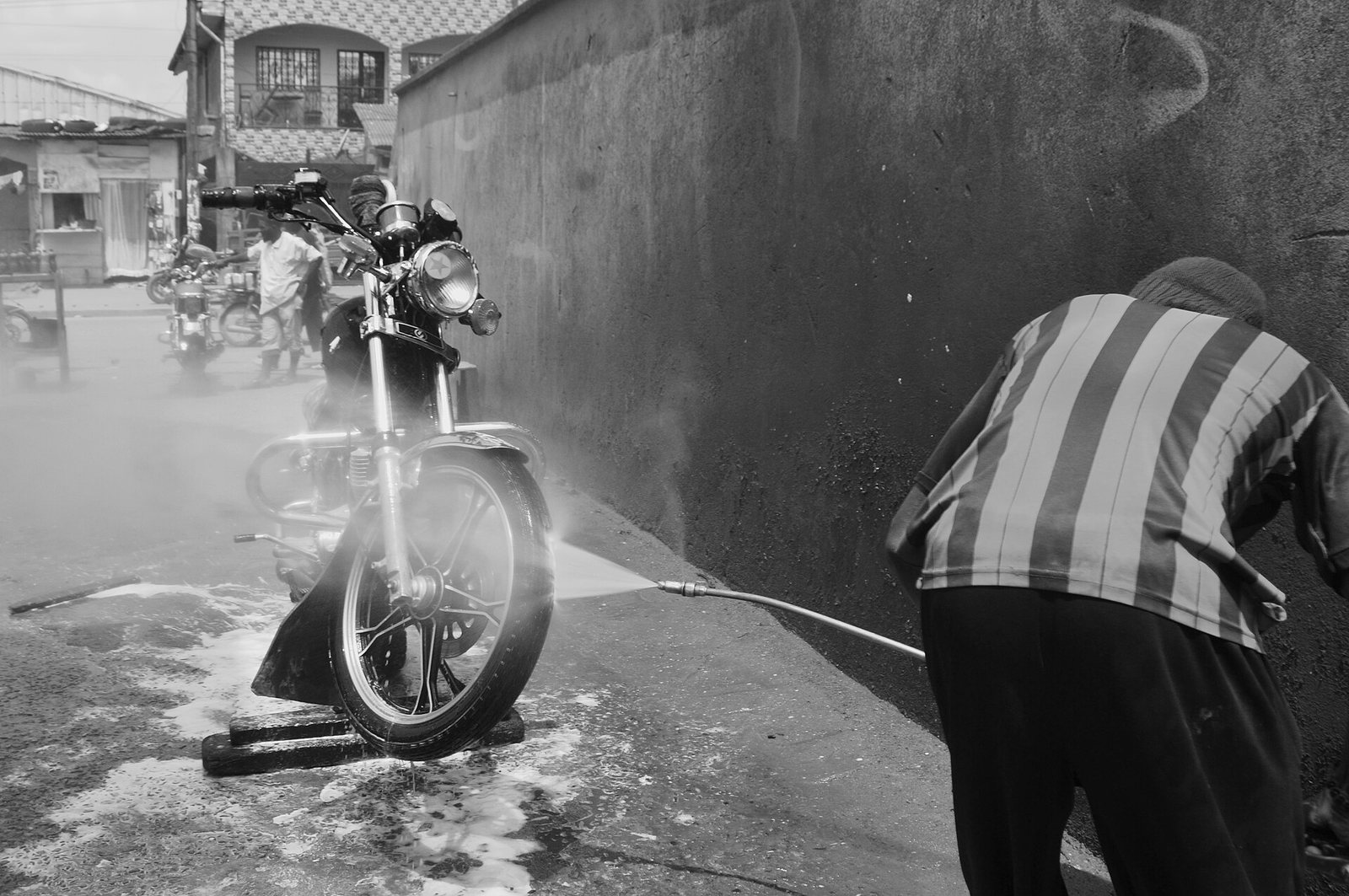
The proposal covers washing centres and housing societies in metropolitan cities and is still at an early stage, with rules yet to be issued.
In brief
The Maharashtra government is planning to bar car washing centres and housing societies in metropolitan cities from using drinking water to wash vehicles, Free Press Journal reported on 26 November 2026. A standard operating procedure is to be issued to municipal corporations.
Washing your car with tap water may soon be off limits in Maharashtra's big cities. Free Press Journal reported on 26 November 2026 that the state government is planning to prohibit car washing centres and residential housing societies in metropolitan cities from using potable water, meaning water fit to drink, to wash cars and two-wheelers.
Where the proposal stands
The idea is at an initial stage. Revenue Minister Chandrashekhar Bawankule, who heads the government's Drought Sub-Committee, said on Thursday that a meeting with the Chief Secretary would finalise the restrictions, after which directions would go to civic bodies. A standard operating procedure for all municipal corporations is to follow. No start date, penalty or enforcement method was reported, so residents should not treat it as a rule in force yet.
Why now
The stated aim is to save water ahead of concerns about supply in the coming summer. According to the latest government data quoted by the newspaper, stock in the state's major dams stands at 67.89%, compared with 95.30% on the same day last year. Bawankule said the sub-committee reviews scarcity measures every week and is working to conserve available water and supply areas facing severe shortages.
Mumbai's own debate
The proposal lands in the middle of an argument about civic water use in Mumbai. The municipal corporation's Rs 8.25 crore road-washing plan, meant to cut dust, was revived last month with an assurance that recycled water would be used. It had earlier been rejected unanimously by the Standing Committee in October while the city was under a 10% water cut, and its return drew questions from opposition leaders about where the water would come from.
What a society can do now
Whatever form the rules take, societies and service centres can prepare. A bucket and cloth uses far less than a running hose. Societies with a working sewage treatment plant can check whether its treated water is clean enough for washing and gardens. Washing centres can look at recycling their own rinse water after removing grit, oil and detergent. These steps are our suggestions, not part of the government's proposal.
Why it matters
Washing a vehicle does not need water treated to drinking standard. A ban works only if there is another source people can actually use and someone to check.
The main source was published on 26 November 2026.
Found an error? See the Corrections Policy.