
Utilities in California and Arizona commence construction of multi-barrier advanced purification plants directly injecting reclaimed water into municipal drinking water distribution grids.
In brief
Water utilities across Southern California and Arizona broke ground on October 16, 2026, on the first wave of commercial Direct Potable Reuse (DPR) facilities permitted under newly established state health frameworks. The advanced purification plants treat secondary municipal wastewater through ozone, microfiltration, reverse osmosis, and ultraviolet advanced oxidation (UV/AOP), delivering purified water directly to municipal drinking networks.
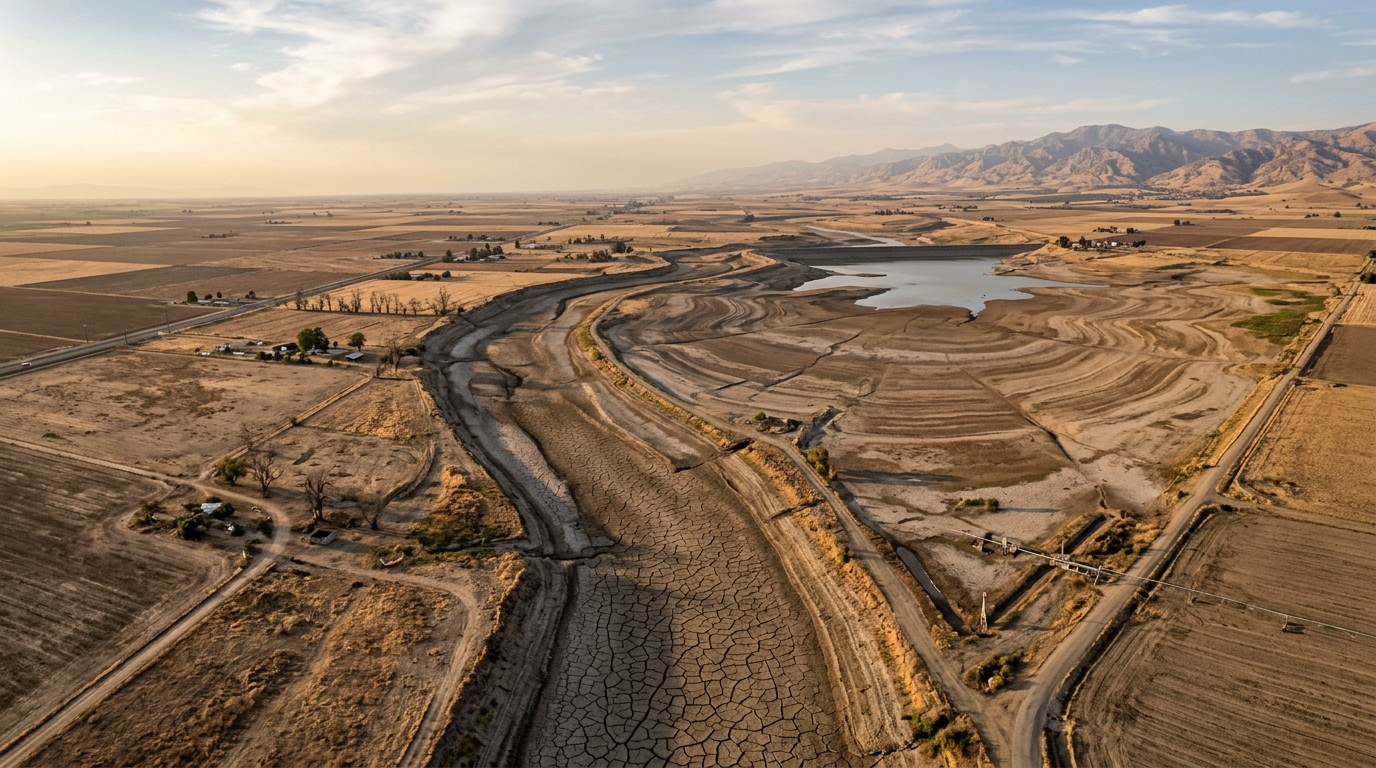
With prolonged aridification and structural allocation cuts reducing Colorado River diversions by over 25%, municipal water districts across the American Southwest have moved decisively beyond indirect environmental buffers toward Direct Potable Reuse (DPR). The groundbreaking ceremonies mark a turning point in urban water management.
Twelve-Log Pathogen Reduction and Redundant Barriers
State health standards mandate that DPR systems achieve validated 12-log (99.9999999999%) virus removal, 10-log Cryptosporidium reduction, and 10-log Giardia cyst elimination. To guarantee this without an intervening environmental reservoir or aquifer recharge period, facilities utilize a four-stage treatment train comprising ozone-BAC, ultrafiltration, dual-pass RO, and UV/hydrogen peroxide AOP.
Real-time critical control points (CCPs) monitor total organic carbon, UV transmittance, electrical conductivity, and surrogate viral tracers continuously. Any sub-second deviation automatically diverts off-spec water to secondary holding reservoirs, ensuring that municipal distribution pipes receive only purified water exceeding all EPA standards.
Unlike snowpack-dependent reservoirs, municipal wastewater generation remains constant year-round, giving cities a guaranteed local drought-proof drinking water base independent of regional hydrology.
Public opinion audits show broad community acceptance, bolstered by transparent water quality dashboards and extensive educational demonstration facilities.
Why it matters
Marks the historic operational debut of direct potable wastewater recycling in major US metropolitan areas, decoupling urban drinking water security from depleted surface reservoirs and the Colorado River.
Sources
American Water Works Association (AWWA) Policy & Engineering Report (October 16, 2026)Read original ↗AWWA Direct Potable Reuse Guidelines and Technical Standards↗Rispri Labs Advanced Water Purification & Reuse Engineering↗Found an error? See the Corrections Policy.
Image: Global Hydrological Assessment & Arid River Basin Soil Moisture Deficit