
Multilateral funding targets afforestation, community check dam networks, and riparian buffer bio-engineering to curb siltation and protect downstream drinking water intakes.
In brief
On October 17, 2026, the World Bank Board of Executive Directors approved a $350 million credit facility to finance comprehensive river catchment restoration across vulnerable sub-basins in South Asia. The initiative finances decentralized community check dams, slope terracing, and riparian afforestation designed to slow torrential monsoon runoff, prevent reservoir siltation, and sustain lean-season river baseflows.
Himalayan and peninsular river catchments across South Asia face intensifying hydro-climatic extremes, with concentrated high-intensity precipitation events stripping topsoil and silting up downstream municipal storage reservoirs. The World Bank's $350 million financing program introduces integrated landscape-level catchment engineering.
Bio-Engineering and Decentralized Infiltration Structures
Project funds will be deployed to construct over 4,500 decentralized stone-masonry check dams, contour infiltration trenches, and vegetated slope bio-fencing across targeted upper catchments. By breaking the velocity of surface runoff, the structures promote in-situ percolation and trap abrasive sediment before it enters main river channels.
Hydrological modeling indicates that restoring upper catchment soil moisture retention will increase dry-season river baseflows by an estimated 22%, ensuring continuous raw water availability for downstream municipal water treatment plants through critical summer months.
Curbing sediment transport preserves active reservoir dead storage, preventing the multi-million dollar annual dredging expenditures currently required to maintain municipal storage capacities.
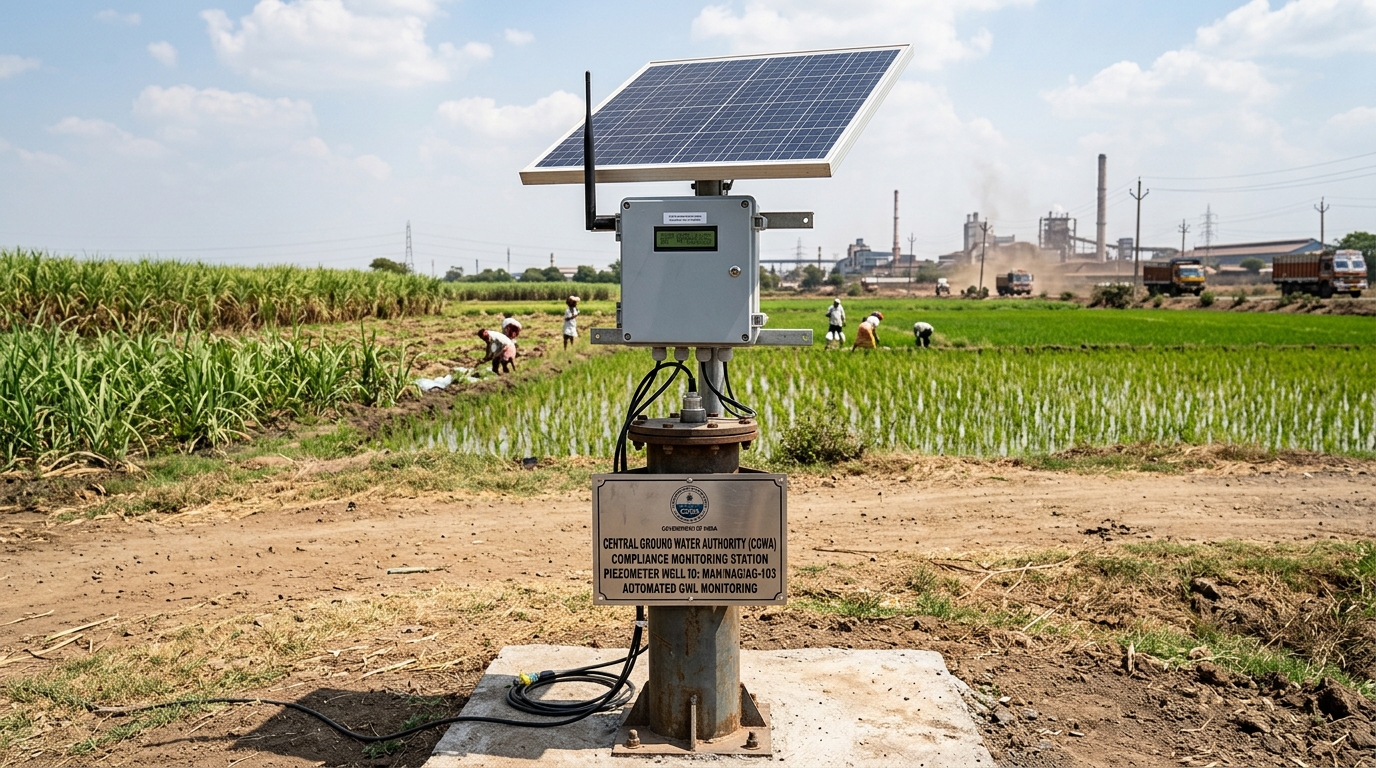
Community water management committees will receive training and digital telemetry tools to monitor local groundwater levels and maintain recharge structures over the 10-year project horizon.
Why it matters
Protects critical drinking water intake works and agricultural irrigation schemes from the dual threats of catastrophic monsoon sediment siltation and prolonged dry-season baseflow collapse.
Sources
World Bank Press Release & Project Financing Brief (October 17, 2026)Read original ↗World Bank Water Global Practice Regional Programs↗Rispri Labs Catchment Water Balance & Watershed Engineering↗Found an error? See the Corrections Policy.
Image: Automated Digital Piezometer & Real-Time IoT Groundwater Monitoring Station