
Advanced oxidation breakthrough overcomes refractory organophosphate chemical resistance, converting toxic agrochemical washwater into biodegradable streams without chemical sludge.
In brief
On October 9, 2026, researchers at the Institute of Chemical Technology in collaboration with industrial agrochemical parks announced the successful continuous operation of a pilot-scale catalytic ozonation reactor utilizing manganese-doped porous ceramic media. The process achieved an 85% reduction in chemical oxygen demand (COD) on complex pesticide manufacturing wastewater, shattering organophosphates and triazine rings that traditionally resist biological degradation.
Wastewater generated during pesticide and agrochemical synthesis represents one of the most chemically recalcitrant industrial streams on earth. Highly chlorinated aromatic rings, organophosphates, and triazines suppress biological bacteria in activated sludge plants and rapidly pass through conventional settling stages unchanged.
Overcoming the Limits of Conventional Fenton Oxidation
While classic Fenton oxidation (Fe2+ and H2O2) is widely employed, it suffers from two crippling operational bottlenecks: it requires acidifying vast volumes of effluent down to pH 3.0 followed by caustic neutralization, and it produces enormous volumes of iron hydroxide chemical sludge classified as hazardous waste (Category 35.3).
The new continuous reactor replaces soluble iron salts with fixed, porous ceramic contactor discs embedded with manganese and cerium oxide nanoparticles (MnOx-CeO2). As gaseous ozone is sparged through micro-porous diffusers, the solid catalytic surface accelerates the decomposition of aqueous ozone into highly reactive hydroxyl radicals (•OH), with an oxidation potential of 2.80 V.
Operational Economics and Sludge Elimination
In continuous 500-hour trials at a technical pesticide manufacturing plant in Gujarat, the catalytic reactor reduced inlet COD from 8,400 mg/L down to 1,260 mg/L. More importantly, the biochemical oxygen demand to COD ratio (BOD:COD) rose from an un-biodegradable 0.08 to a healthy 0.42, allowing the effluent to be polished in standard aerobic moving bed biofilm reactors (MBBR).
Operating expenses were 34% lower than equivalent Fenton systems due to zero secondary chemical sludge disposal costs and minimal acid-alkali consumption.
With the Central Pollution Control Board tightening chemical oxygen demand standards across active pesticide manufacturers, heterogeneous catalytic ozonation is rapidly moving from laboratory pilot trials to full commercial implementation.
Why it matters
Eliminates the need for massive doses of iron-based Fenton reagents that generate hazardous chemical sludge, offering agrochemical plants a cleaner pathway to statutory discharge compliance.
Sources
Journal of Environmental Chemical Engineering & Industry Field Report (October 9, 2026)Read original ↗ICT Department of Chemical Engineering Research Archive↗Rispri Labs Advanced Oxidation & ETP Design Engineering↗Found an error? See the Corrections Policy.
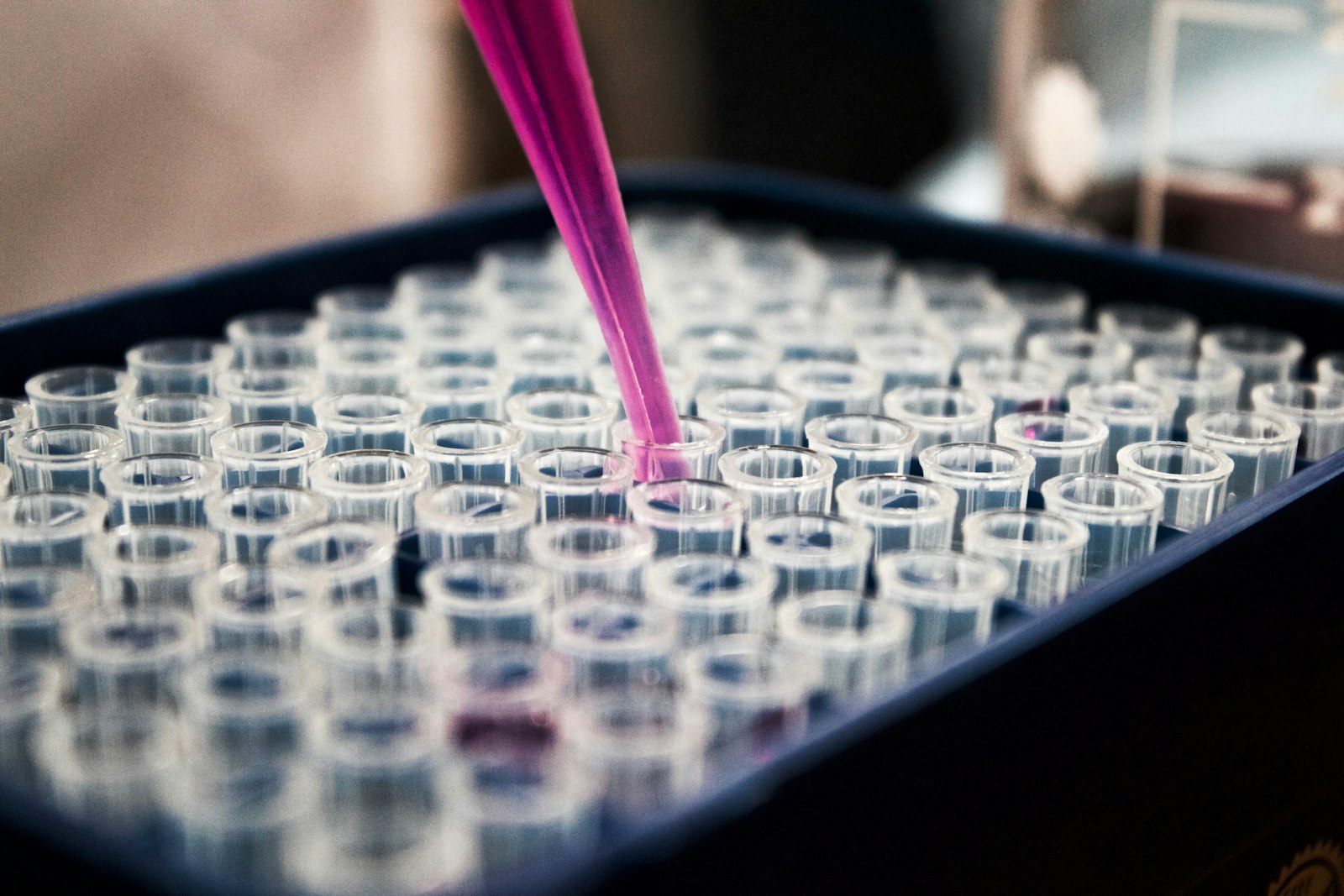
Image: Advanced Oxidation & Electrochemical Water Remediation Reactor Testing