
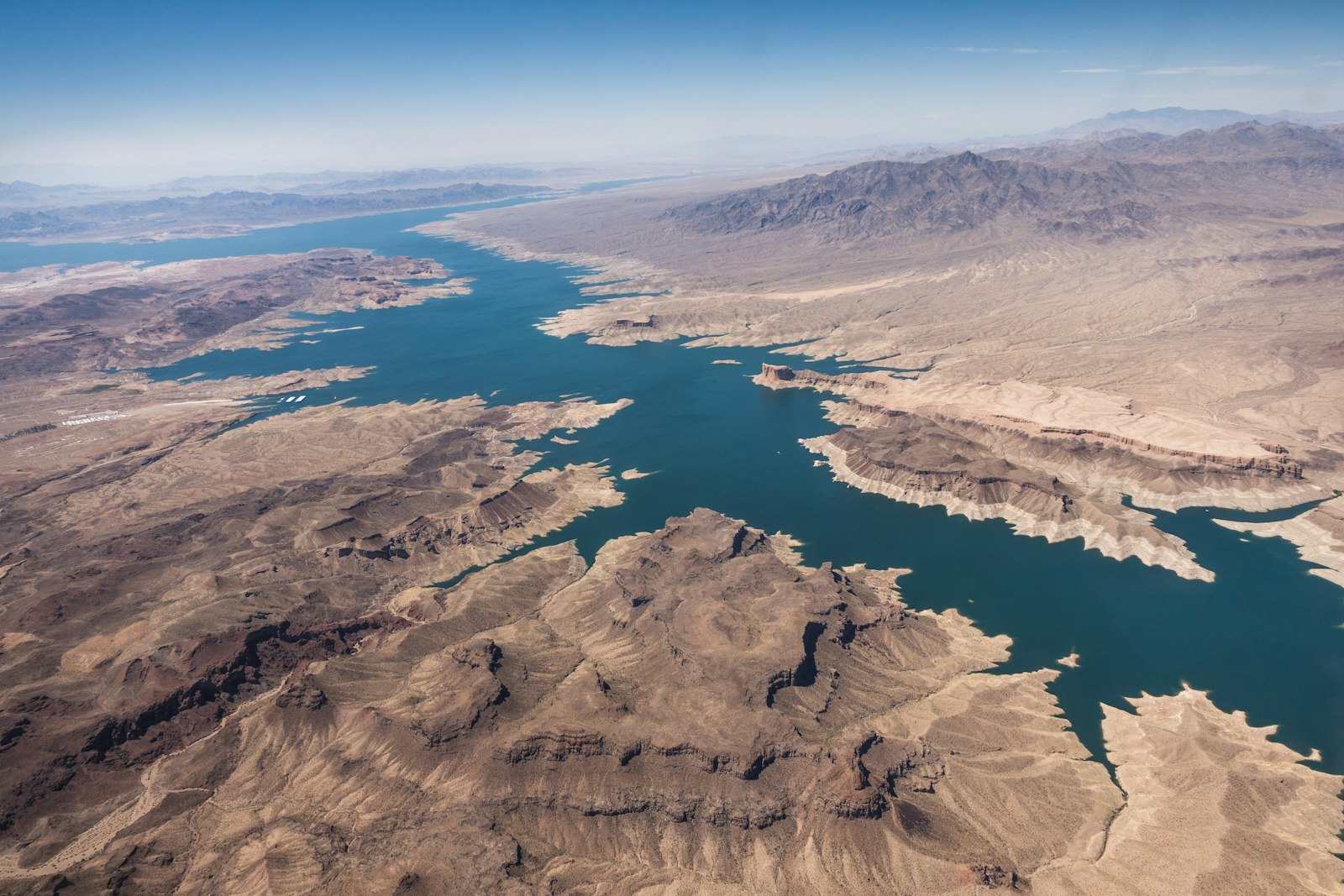
The canal operator, serving about six million people, says Interior's framework breaks the 1922 Compact; Lower Basin deliveries fall by 1.25 million acre-feet a year from January 2027.
In brief
The Central Arizona Water Conservation District, which runs the Central Arizona Project canal, filed a motion on 27 October to intervene in Nevada's federal lawsuit against the US Interior Department's new Colorado River operating decisions. CAP argues the framework violates the 1922 Colorado River Compact and federal law, and says its supply would fall to zero once Lower Basin shortages reach 2.0 million acre-feet.
The fight over the Colorado River has moved further into the courts. On 27 October 2026, the Central Arizona Water Conservation District, which operates the Central Arizona Project (CAP) canal serving about six million people in central and southern Arizona, asked a federal court in Nevada to let it join a lawsuit filed by Nevada on 24 August. That suit challenges the Record of Decision Interior issued on 21 August, which sets a framework for running Lake Powell and Lake Mead together through 2036, along with separate operating guidelines for 2027 and 2028 adopted the same day.
What CAP is arguing
CAP's complaint says the federal decisions breach the 1922 Colorado River Compact, federal laws on reservoir releases and shortage sharing, and the National Environmental Policy Act. Smart Water Magazine reports that the central dispute is whether enough water is released past Lee Ferry to meet Compact obligations, or held back to keep Lake Powell above its minimum power pool of 3,490 feet. CAP general manager Brenda Burman said the federal actions left water users no option but to ask the court to correct them. Arizona's Department of Water Resources filed its own motion to intervene on 16 October, and Judge Gloria Navarro had not ruled on either motion at the time of reporting.
Why CAP is exposed
CAP holds a fourth-priority entitlement, so it is cut before older Arizona rights. Under the Lower Basin sharing proposal, Arizona's reduction would be 760,000 acre-feet a year, roughly 27% of its 2.8 million acre-foot apportionment. For 2029 to 2036, the preferred alternative in the final environmental impact statement allows Lower Basin shortages of up to 3.6 million acre-feet, with 1.96 million falling on Arizona. CAP says its deliveries would reach zero once Lower Basin shortages hit 2.0 million acre-feet, and estimates that restoring its 336-mile canal after a year without flow would cost about US$358 million.
The reduced Lake Mead deliveries take effect on 1 January 2027. CAP is asking the court to vacate the long-term framework and its environmental review, while sending the 2027-2028 guidelines back to Interior without annulling them, provided Arizona's cut is capped at 760,000 acre-feet. Arizona agrees the decisions are unlawful but is not seeking to vacate the near-term guidelines. About 45% of CAP's supply is or will be allocated to 11 Arizona tribes, which adds another set of rights holders to an already crowded case.
Why it matters
This is what happens when a shared river is over-allocated and every user's cut has to be argued out in court. Indian states sharing rivers under tribunal awards face the same arithmetic in dry years, and industries holding lower-priority allocations are the first to feel it.
Sources
Smart Water Magazine: Central Arizona Project moves to join Nevada lawsuit over Colorado River cuts (29 October 2026)Read original ↗CAP: Motion to intervene (27 October 2026)↗CAP: Complaint in intervention↗US Department of the Interior: Plans for 2027-2028 Colorado River operations↗Found an error? See the Corrections Policy.
Image: Nikola Majksner / Unsplash