
New Central Pollution Control Board mandates enforce strict online telemetry verification, STP BOD ≤ 10 mg/L, and zero - tolerance Consent to Operate renewals.
In brief
The Central Pollution Control Board (CPCB) has enforced revised 2026 environmental compliance frameworks across India, introducing stricter Consent to Operate (CTO) guidelines and mandating verified real - time telemetry for industrial Effluent Treatment Plants (ETPs) and municipal Sewage Treatment Plants (STPs).
Here's the version every industrial plant manager needs to know cold: your Consent to Operate is only as good as the CPCB reference sheet it's measured against, and that sheet just got a lot less forgiving. Under the Water (Prevention and Control of Pollution) Act, 1974, and the Environment (Protection) Act, 1986, CPCB's 2026 compliance regime tightens exactly the numbers your consent depends on.
Stricter Discharge Parameters for STPs and ETPs
Under the updated framework, general discharge limits for municipal and commercial STPs have been tightened significantly to protect receiving surface bodies and urban aquifers. Discharge parameters are now capped at Biochemical Oxygen Demand (BOD) ≤ 10 mg/L, Chemical Oxygen Demand (COD) ≤ 50 mg/L, and Total Suspended Solids (TSS) ≤ 10 mg/L.
Automated Telemetry & CTO Revocation Protocol
Manual sampling reports are no longer sufficient for high - polluting 17 - category industries. SPCBs are authorized to initiate immediate audit proceedings if Online Continuous Effluent Monitoring Systems (OCEMS) register consecutive 48 - hour calibration drifts or communication dropouts with state servers.
The practical lesson here isn't really about the specific thresholds - it's that "we passed our CTO renewal a few years ago" is no longer a safe assumption. Worth checking today: whether your plant's OCEMS uptime record would survive a 48-hour calibration-drift review if an inspector asked for it tomorrow.
Why it matters
Facilities operating with legacy treatment systems risk immediate CTO cancellation and environmental compensation penalties. STP discharge limits now mandate BOD ≤ 10 mg/L and COD ≤ 50 mg/L with automated data transmission.
Sources
Central Pollution Control Board / Water Act Compliance PortalRead original ↗TeamOne Biotech - CPCB Water Discharge Guidelines 2026↗Corpbiz Compliance Report on CTO Framework↗Found an error? See the Corrections Policy.
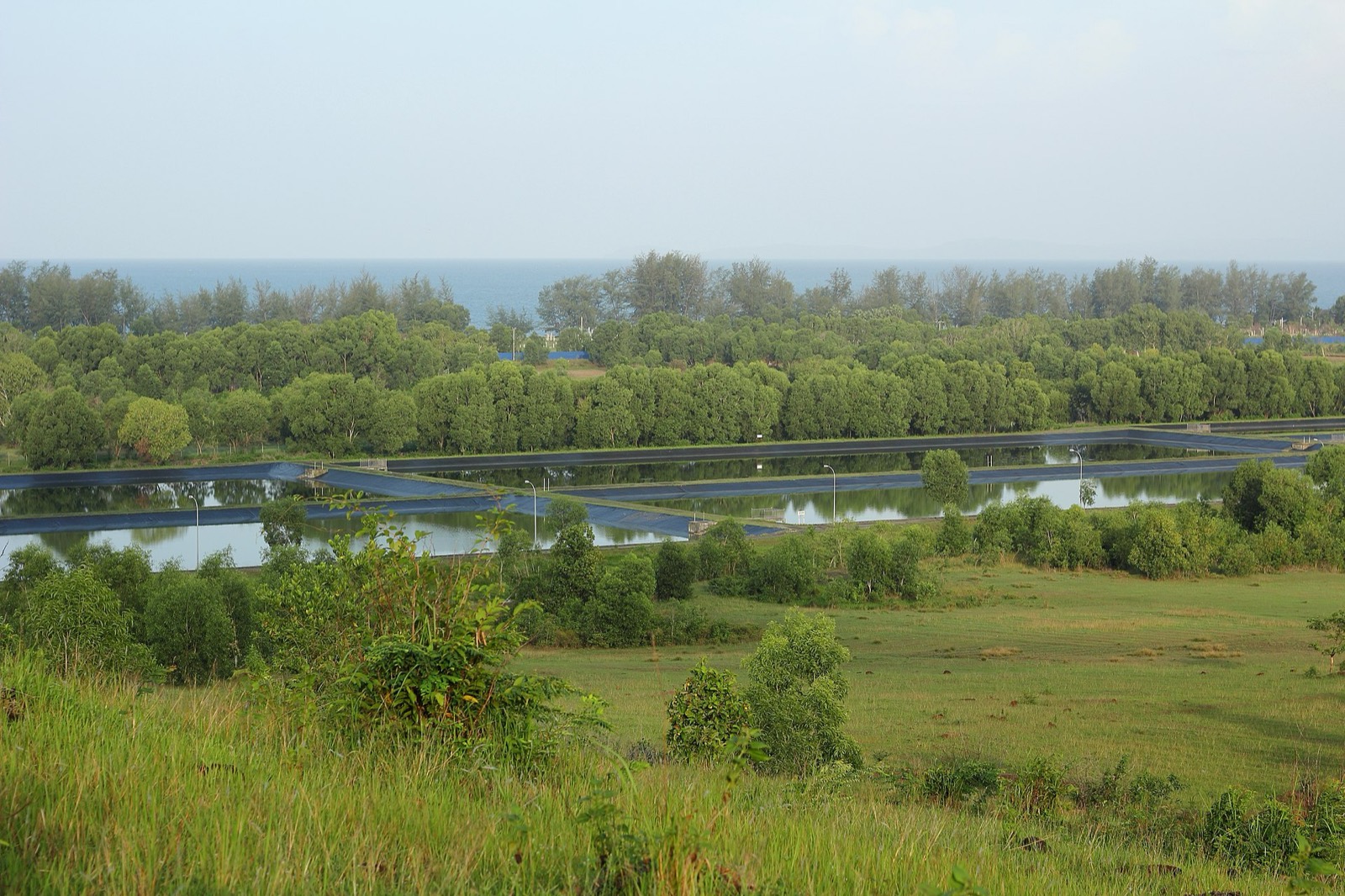
Image: Municipal & Industrial Biological Aeration Wastewater Treatment Facility