
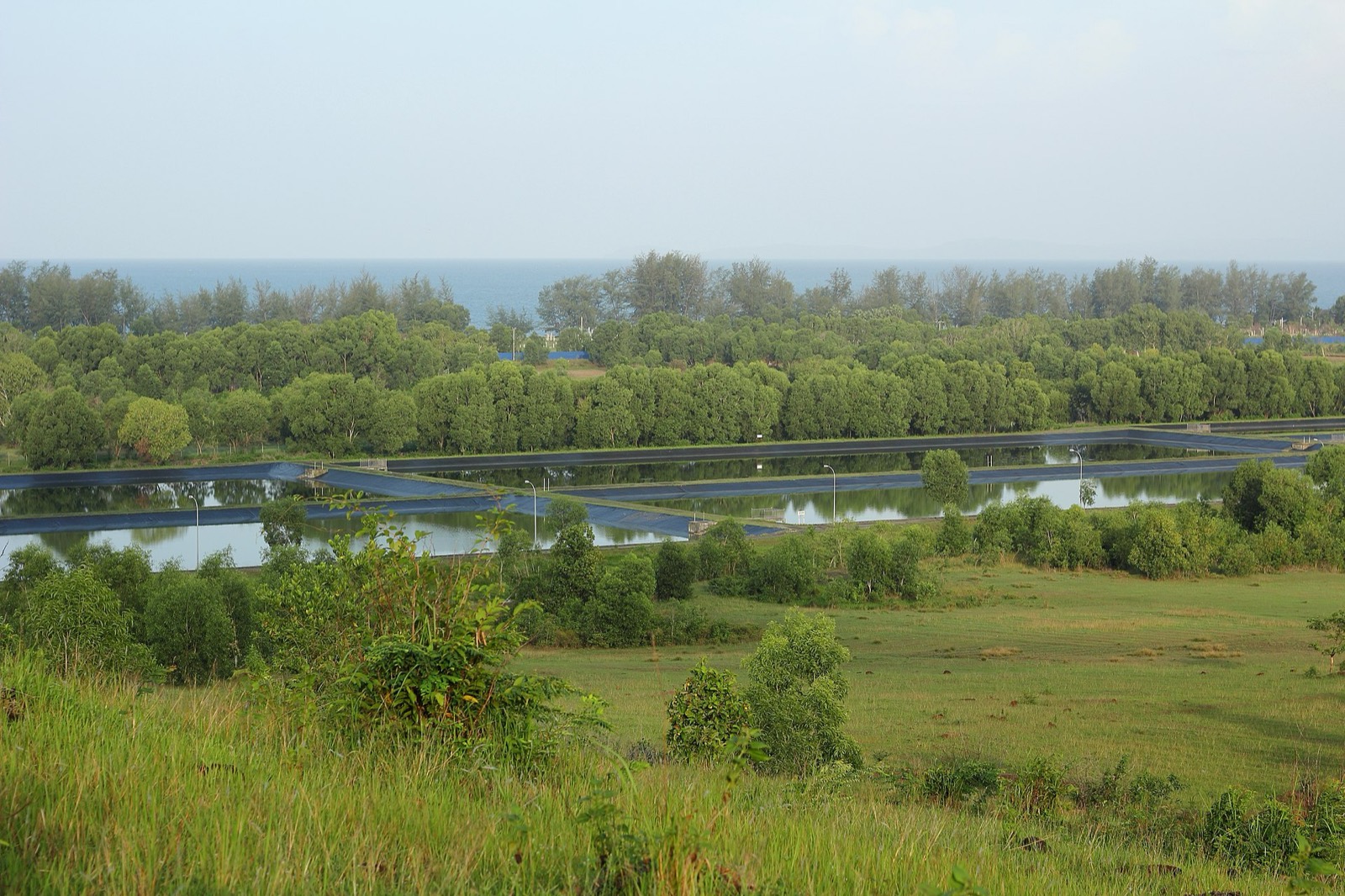
New standards require at least 90% of fish to survive 96 hours in undiluted effluent, testing the whole wastewater rather than chemical by chemical.
In brief
Under the Environment (Protection) Second Amendment Rules 2025, caustic soda plants using membrane cell technology must show that at least 90% of fish survive 96 hours in their undiluted treated wastewater. The rules also cap water use at 5 m³ and wastewater at 1 m³ per tonne of caustic soda. Down To Earth reports that it is unclear who will run the tests and how they will be verified.
Most effluent limits check one chemical at a time. A bioassay tests the whole wastewater on living organisms. It shows whether the mixture is toxic, even if each chemical is under its limit. This is also called a whole effluent toxicity (WET) test.
What the rule requires
The Environment (Protection) Second Amendment Rules 2025 set new standards for standalone caustic soda plants that use membrane cell technology. India has about 32 to 37 such plants, producing more than 5 million tonnes a year.
The test must follow IS 6582-1971 from the Bureau of Indian Standards. Other limits include pH 6.5 to 8.5, chloride 250 mg/L, suspended solids 100 mg/L and total dissolved solids 2,100 mg/L.
The details most reports missed
The rule also caps resources, not just pollution: at most 5 m³ of water and 1 m³ of wastewater per tonne of caustic soda. Plants that use more water will need to recycle.
Down To Earth highlights three open questions: who is responsible for running the tests, whether enough labs and monitoring capacity exist, and how self-reported results will be independently checked.
What to do now
Caustic soda plants should find a laboratory able to run IS 6582 bioassays and run a trial test before an inspection does.
Why it matters
A whole effluent toxicity test catches harm that chemical limits can miss. It also creates demand for labs that can run fish bioassays properly.
Found an error? See the Corrections Policy.
Image: Municipal & Industrial Biological Aeration Wastewater Treatment Facility