
DPCC water quality audit reveals STPs in Ghitorni, Yamuna Vihar, Mehrauli, and Kapashera releasing effluent with faecal coliform exceeding 18,000 MPN/100ml as DJB plans 13 decentralized plants.
In brief
On August 27, 2026, proceedings in the Delhi High Court highlighted findings from the latest Delhi Pollution Control Committee (DPCC) water quality audit, which revealed that 8 major municipal STPs failed statutory discharge benchmarks. Testing showed outlet faecal coliform at Ghitorni and Mehrauli climbing to 18,000 MPN/100ml (against the 230 MPN/100ml standard) and Yamuna Vihar Phase-III recording TSS of 32 mg/l and BOD of 20.4 mg/l (against 10 mg/l limits).
The restoration of the Yamuna River relies heavily on the performance of municipal sewage treatment infrastructure. On August 27, 2026, judicial review at the Delhi High Court focused on the DPCC's latest monthly audit of over 30 sewage treatment facilities across the National Capital Territory, revealing severe compliance gaps at 8 key plants.
Faecal Coliform and Organic Loading Exceed Standard Thresholds
The audit flagged Yamuna Vihar Phase-III, Mehrauli, Ghitorni, Kapashera, Vasant Kunj, and Keshopur STPs. Outlet samples from Yamuna Vihar Ph-III recorded Total Suspended Solids (TSS) at 32 mg/l and Biochemical Oxygen Demand (BOD) at 20.4 mg/l—more than double the CPCB 10 mg/l standard. More alarmingly, faecal coliform levels at Ghitorni reached 18,000 MPN/100ml against the statutory 230 MPN/100ml target.
Decentralized STPs (DSTPs) Proposed to Plug Discharge Deficit
In response to High Court directions mandating urgent timeline-bound retrofits, the Delhi Jal Board submitted proposals for 13 new Decentralized Sewage Treatment Plants (DSTPs) totaling 328 MGD capacity to the National Mission for Clean Ganga (NMCG). Upgrading aeration, chlorination, and UV disinfection steps is vital as the city rolls out mandatory reclaimed water mandates for bulk commercial and construction users.
Why it matters
With Delhi launching its mandatory 2026 Reclaimed Water Policy for construction projects ≥500 m², ensuring primary municipal STPs consistently hit secondary biological and disinfection standards is essential before treated sewage can safely replace fresh water.
Sources
The New Indian Express & Delhi High Court Bench (August 27, 2026)Read original ↗Delhi Pollution Control Committee (DPCC) Water Quality Status Report↗Found an error? See the Corrections Policy.
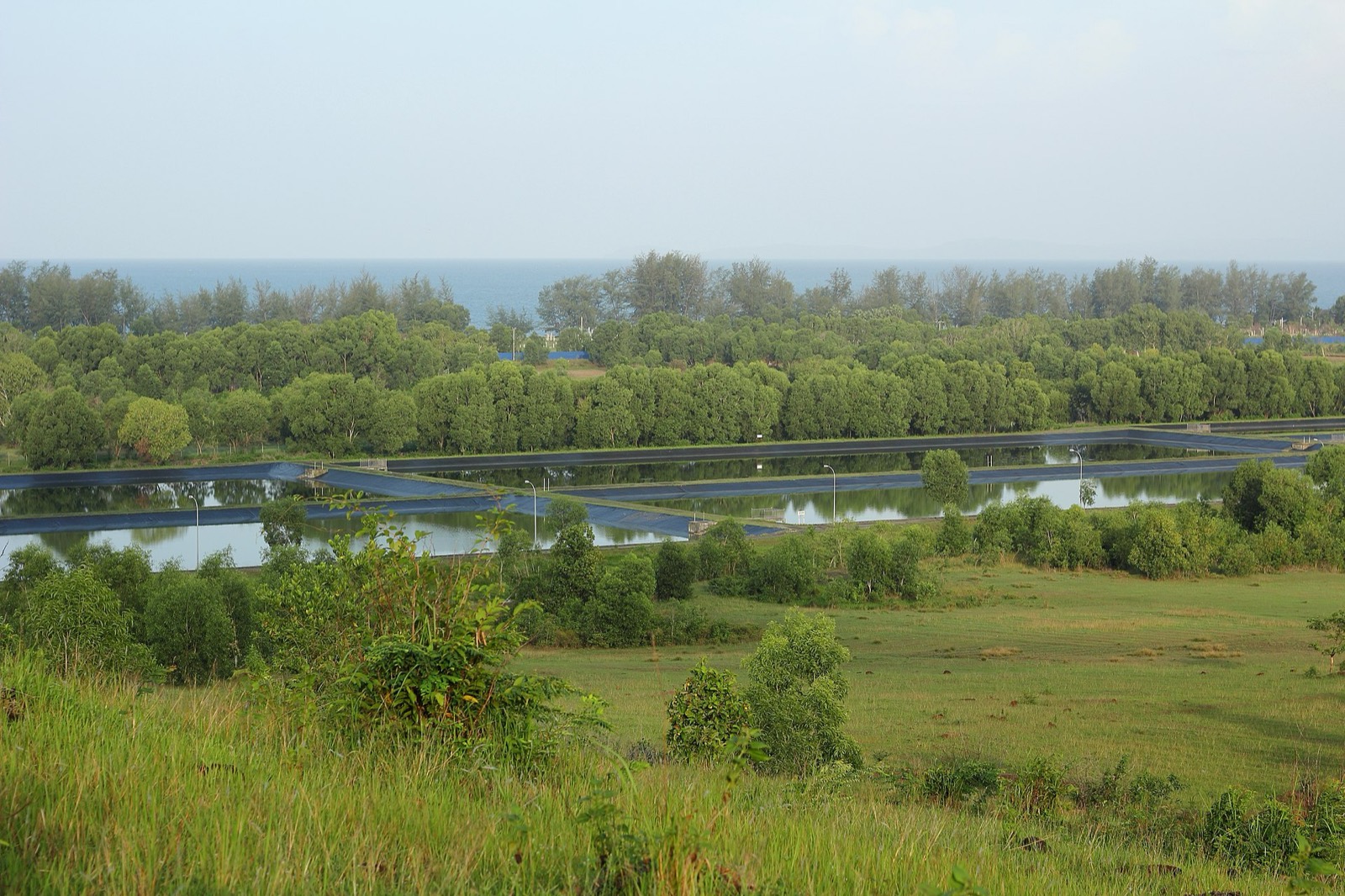
Image: Municipal & Industrial Biological Aeration Wastewater Treatment Facility