
Announced August 25, 2026, draft regulation mandates 100% treated effluent usage for construction sites ≥500 m² and sets commercial farmhouse tariffs at ₹10,000/acre/month to unlock 363 MGD unused treated wastewater.
In brief
On August 25, 2026, the Delhi government unveiled the draft Reclaimed Water Policy 2026, creating a legally enforceable framework to substitute potable groundwater with secondary/tertiary treated sewage effluent across construction, horticulture, and commercial cooling sectors. The policy establishes dedicated Reclaimed Water Service Areas around sewage treatment plants (STPs).
Facing persistent groundwater table depletion and seasonal raw water shortages from upstream states, the Delhi government announced the landmark Reclaimed Water Policy 2026 on August 25, 2026. Approved by the Delhi Jal Board (DJB), the policy shifts reclaimed wastewater from an optional environmental initiative into a strict statutory obligation for commercial and infrastructure bulk users.
Mandatory Clauses for Construction & Farmhouses
Under the proposed regulation, all building and infrastructure construction projects occupying a plot area of 500 square meters or more must source 100% of non-potable water needs—including dust suppression, concrete curing, vehicle washing, and site compaction—from DJB-approved reclaimed water filling stations or pipe networks.
Additionally, farmhouses and large institutional lawns utilizing treated sewage water for horticulture will be billed a fixed commercial tariff of ₹10,000 per acre per month, alongside a one-time connection infrastructure charge of ₹1 lakh per acre.
Bridging the 363 MGD Utilization Gap
Official municipal metrics reveal that Delhi currently generates and treats approximately 750 million gallons per day (MGD) of wastewater across its decentralized STP network. However, only 120 MGD is actively repurposed, leaving 363 MGD flowing unused. The policy mandates dedicated dual-piping distribution networks radiating from major STPs, aiming for 100% non-potable demand substitution by 2036.
Why it matters
While Delhi's STPs treat 750 million gallons per day (MGD) of sewage, only 120 MGD is currently reused, dumping 363 MGD of high-quality treated water into the Yamuna. Mandatory construction and farmhouse tariffs convert a waste stream into a major municipal resource.
Sources
Delhi Jal Board & Indian Express (August 25, 2026)Read original ↗Delhi Jal Board Official Notice on Draft Reclaimed Water Policy 2026↗Rispri Labs STP Wastewater Testing & Reclaimed Water Quality Audits↗Found an error? See the Corrections Policy.
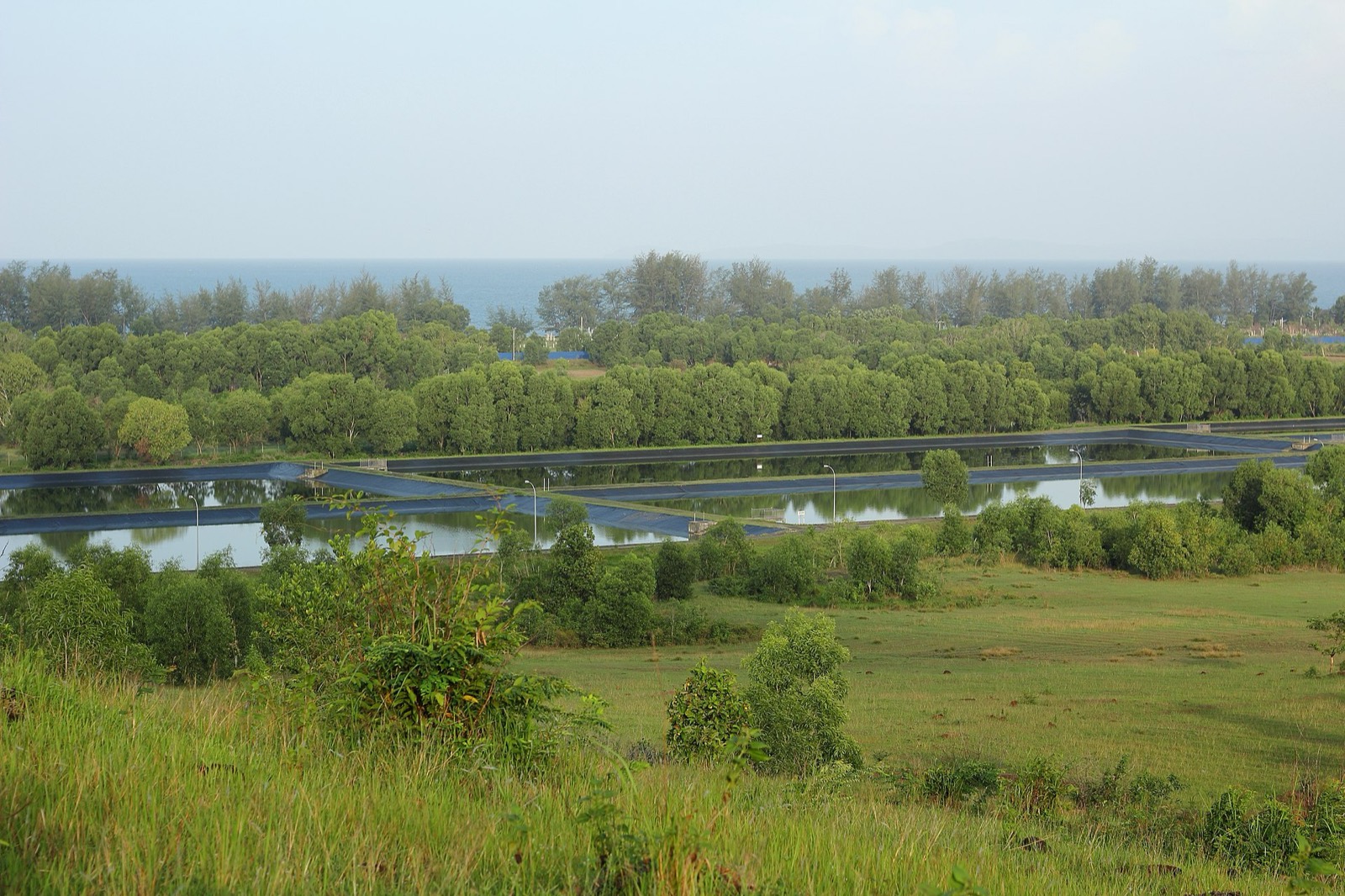
Image: Municipal & Industrial Biological Aeration Wastewater Treatment Facility