
Novel reactive electrochemical membranes cleave ultra-stable C-F bonds in PFBA and PFBS under ambient temperature without chemical oxidant additions.
In brief
Chemical engineering research published on October 12, 2026, confirms that reactive electrochemical membranes fabricated from substoichiometric titanium suboxide (Magneli phase Ti4O7) achieve 99.4% mineralization of stubborn short-chain PFAS compounds. In continuous-flow wastewater testing, the porous electrodes generated dense surface-bound hydroxyl radicals and direct electron transfer, breaking down PFBA and PFBS into harmless fluoride ions and CO2.
Per- and polyfluoroalkyl substances (PFAS) are famously termed 'forever chemicals' due to the immense bond dissociation energy of the carbon-fluorine bond (approx. 485 kJ/mol). While long-chain PFAS (like PFOA and PFOS) can be captured by activated carbon, shorter 4-carbon chain replacements (such as PFBA and PFBS) pass straight through filter beds.
High Overpotential and Direct Electron Transfer
The research team utilized porous tubular reactive electrochemical membranes (REMs) composed of Ti4O7. Magneli phase titanium suboxide exhibits extraordinary electrical conductivity combined with a high oxygen evolution overpotential (>2.7 V vs SHE), preventing premature water splitting and allowing direct anodic oxidation of the fluorochemical chain.
Convective flow forced through the sub-micron electrode pores eliminates diffusion boundary layers, enabling rapid single-electron transfer that initiates kolbe-type decarboxylation followed by HF elimination. Fluoride mass balances verified that over 92% of organic fluorine was fully mineralized into benign inorganic fluoride ions.
Unlike ion exchange or reverse osmosis that produce concentrated secondary hazardous wastes requiring incineration, electrochemical destruction completely eliminates the contaminant on-site without chemical consumable inputs.
Commercial scale skids are currently entering pilot trials at fluorochemical manufacturing facilities and airport firefighting water remediation sites.
Why it matters
Overcomes the single greatest obstacle in global PFAS treatment—the failure of conventional carbon filters to capture mobile short-chain compounds—by permanently destroying them on-site.
Sources
Environmental Science & Technology (ES&T) (October 12, 2026)Read original ↗Environmental Science & Technology Electrochemical PFAS Destruction Paper↗Rispri Labs Industrial Advanced Oxidation & AOP Engineering↗Found an error? See the Corrections Policy.
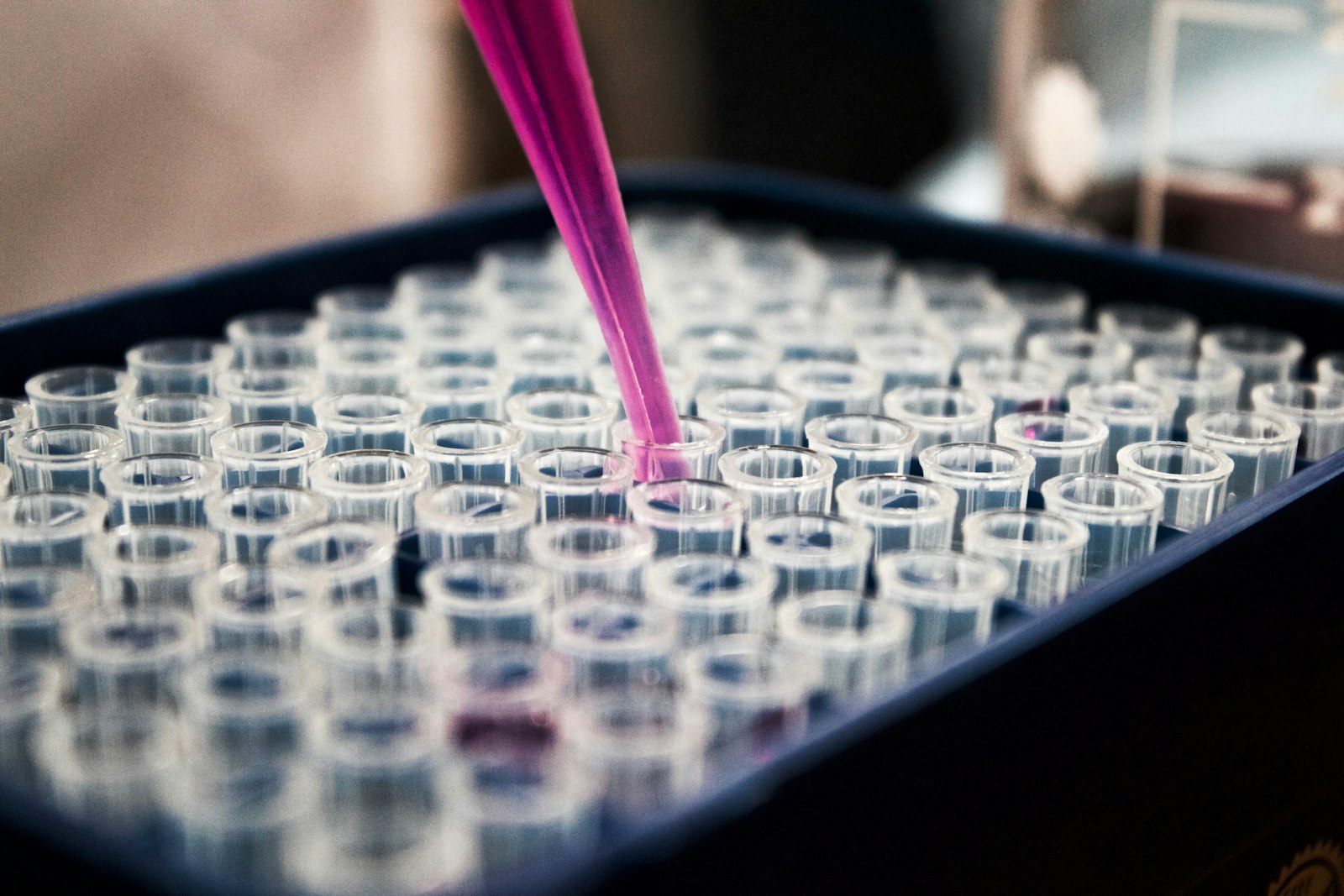
Image: Advanced Oxidation & Electrochemical Water Remediation Reactor Testing