
Environmental law groups file federal petition challenging EPA approvals for fluorinated photoacid generators used in microchip manufacturing, citing persistent water contamination risks.
In brief
On August 28, 2026, environmental groups filed a federal lawsuit against the US Environmental Protection Agency (EPA) over its expedited clearance of new fluorinated chemical compounds utilized in semiconductor photolithography. The petitioners contend these photoacid generators (PAGs) exhibit bioaccumulative PFAS characteristics, threatening regional municipal water treatment intakes downstream of high-tech manufacturing corridors.
The semiconductor manufacturing boom has created intense scrutiny over specialty chemical inputs and industrial effluent discharge. On August 28, 2026, a coalition of environmental organizations filed a petition in US federal court seeking to overturn EPA orders that granted accelerated approval for two novel photoacid generators (PAGs) used in extreme ultraviolet (EUV) lithography.
The Perfluorinated Chemistry Challenge in Electronics Effluent
Photoacid generators are essential for modern sub-nanometer chip fabrication, enabling ultra-precise circuit pattern transfer. However, their perfluorinated sulfonate structures resist standard municipal biological wastewater treatment. Environmental groups argue that discharging unmonitored PAG breakdown products risks introducing persistent PFAS chemicals into downstream drinking water sources.
Global Compliance Implications for Industrial Parks
With major semiconductor fabrication clusters expanding across Asia, Europe, and North America, regulatory authorities are tightening pretreatment mandates. Facilities are increasingly required to deploy granular activated carbon (GAC), electro-Fenton oxidation, or high-pressure RO units specifically tuned for recalcitrant synthetic organics.
Why it matters
As microchip manufacturing expands globally under the CHIPS Act and India's Semiconductor Mission, managing fluorinated solvent and surfactant discharge in industrial parks demands specialized Zero Liquid Discharge (ZLD) and advanced oxidation processes (AOP).
Sources
The Guardian & Earthjustice Legal Filing (August 28, 2026)Read original ↗US EPA Toxic Substances Control Act (TSCA) Chemical Notices↗Rispri Labs Advanced Inorganic & Chemical Testing Solutions↗Found an error? See the Corrections Policy.
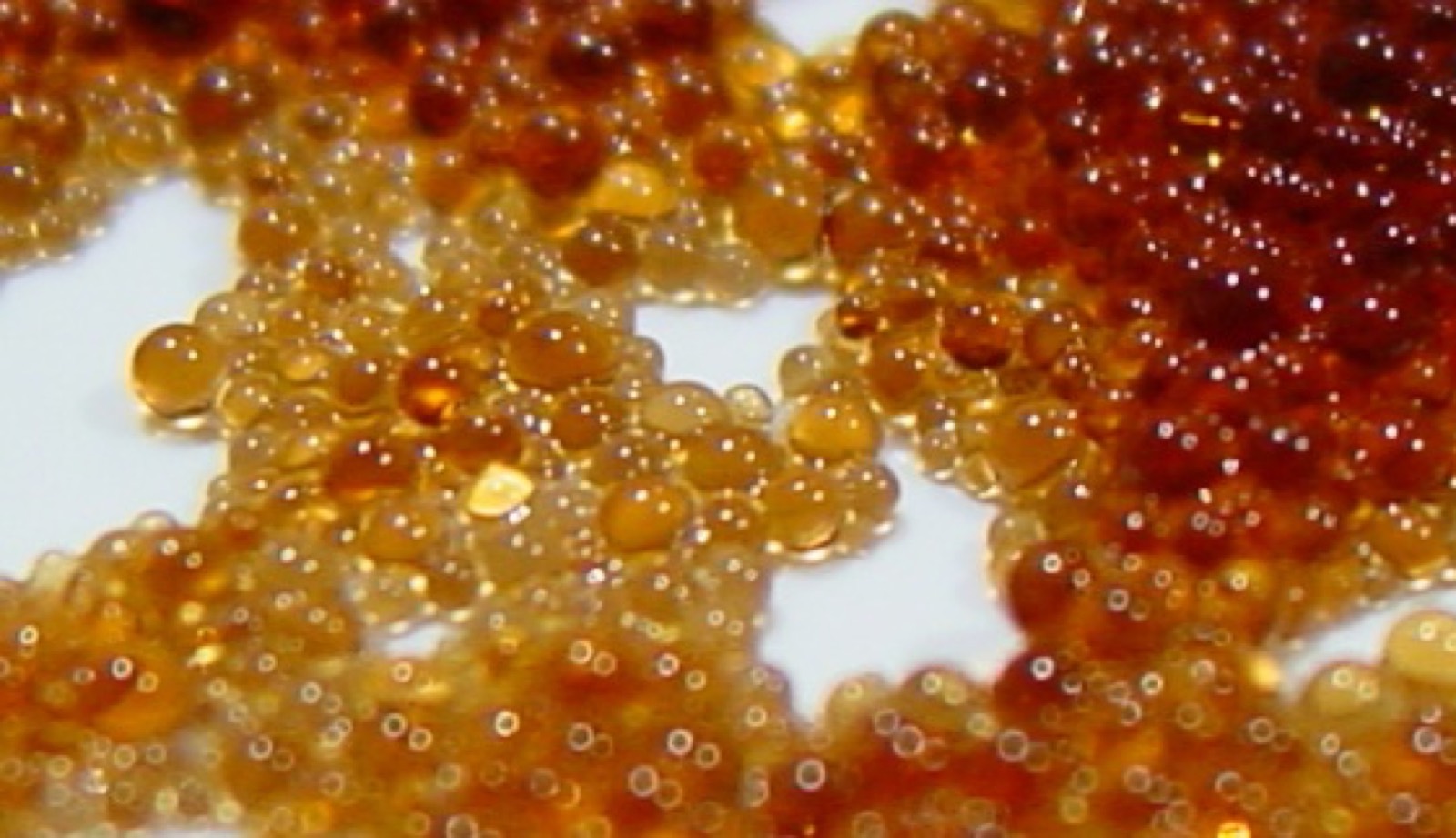
Image: Industrial Ion-Exchange Resin & Ultrapure Water Demineralization Infrastructure