
Pharmaceutical and cosmetics corporations must fund at least 80% of multi-billion euro capital and operating costs for advanced micropollutant removal at municipal STPs.
In brief
On October 8, 2026, the European Commission formally ratified the financial implementation framework for the revised Urban Wastewater Treatment Directive (UWWTD). Under the binding polluter-pays mechanism, manufacturers of pharmaceuticals and cosmetic formulations must establish collective producer responsibility organizations (PROs) to cover a minimum of 80% of the capital expenditure and annual operational costs required to equip municipal sewage treatment plants with fourth-stage advanced oxidation and activated carbon filtration.
The European Union has crossed a watershed regulatory milestone by implementing statutory Extended Producer Responsibility (EPR) within municipal water management. For decades, the financial burden of cleaning synthetic chemical pollution fell entirely on municipal taxpayers and local water utilities.
The 80% Polluter-Pays Cost Allocation
Under the new framework, brand owners placing human pharmaceuticals and cosmetics on the European market are designated as the primary generators of wastewater micropollutants. Corporate entities must collectively fund at least 80% of the €1.2 billion annual cost needed to upgrade all wastewater facilities treating over 150,000 population equivalents with quaternary filtration.
The target compounds include endocrine-disrupting hormones, synthetic antibiotics, analgesics, UV filters, and polyfluoroalkyl substances (PFAS). These molecules pass right through biological aeration basins and reach rivers, bioaccumulating in aquatic food webs and accelerating antimicrobial resistance.
Required Quaternary Technologies
To achieve the statutory 80% micropollutant reduction benchmark, utilities are constructing paired quaternary treatment trains: continuous ozonation contact chambers followed by powdered activated carbon (PAC) adsorption beds, or low-pressure nanofiltration membranes.
Indian, Japanese, and American active pharmaceutical ingredient (API) manufacturers exporting drug formulations into the EU market must register environmental footprint dossiers and contribute to national PRO compliance funds starting 2027.
The European precedent is already prompting regulatory discussions in the UK, Canada, and Australia, marking the beginning of a global trend where industrial polluters directly capitalize municipal public health infrastructure.
Why it matters
Establishes the world's first large-scale regulatory precedent holding downstream chemical brand manufacturers directly financially liable for municipal wastewater treatment.
Sources
European Environment Agency & European Commission Directorate-General for Environment (October 8, 2026)Read original ↗EU Urban Wastewater Treatment Directive Legal Text↗Rispri Labs Micropollutant Analysis & Quaternary Treatment Advisory↗Found an error? See the Corrections Policy.
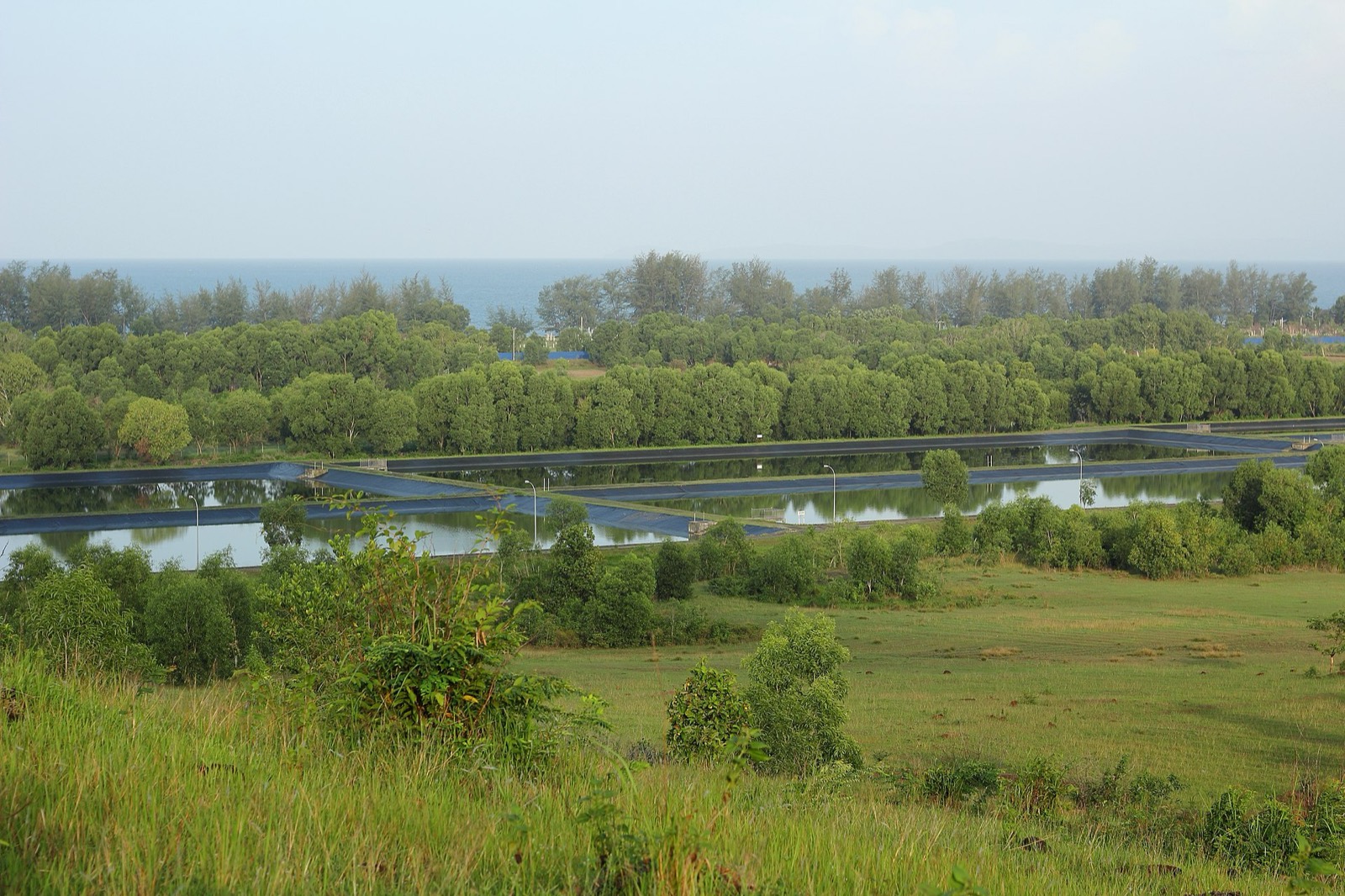
Image: Municipal & Industrial Biological Aeration Wastewater Treatment Facility