
European water utilities prepare for mandatory fourth-stage quaternary treatment targeting pharmaceutical and cosmetic micropollutants under the revised Urban Wastewater Directive.
In brief
On September 2, 2026, European environmental authorities released updated implementation guidance for Directive (EU) 2024/3019. The framework mandates 80% removal efficiency for persistent organic micropollutants, supported by Extended Producer Responsibility (EPR) funding from pharmaceutical and cosmetic manufacturers.
The European Union has published final 2026 implementation technical standards for Directive (EU) 2024/3019, introducing mandatory fourth-stage (quaternary) treatment for urban and industrial wastewater treatment plants across Europe.
80% Minimum Removal Requirement for Micropollutants
Under the new technical guidance, treatment facilities serving population equivalents (p.e.) of 150,000 or more—as well as smaller plants discharging into sensitive water bodies—must remove at least 80% of targeted organic micropollutants including active pharmaceutical ingredients (APIs), endocrine disruptors, and personal care chemical residues.
Extended Producer Responsibility (EPR) Financing
To fund the substantial capital and operating expenditure required for ozonation systems, advanced oxidation processes (AOP), and granular activated carbon (GAC) beds, the framework enforces Extended Producer Responsibility. Pharmaceutical and cosmetic producers will contribute at least 80% of quaternary upgrade and monitoring costs.
For global chemical and pharmaceutical manufacturers exporting to European markets, compliance documentation and trace micropollutant verification in discharge streams are rapidly becoming mandatory prerequisites for international supply chain approval.
Why it matters
Sets a global benchmark for advanced quaternary effluent polishing, encouraging industrial exporters and municipal operators to adopt ozonation, AOP, and granular activated carbon (GAC) filtration to meet stringent international discharge standards.
Sources
EU Environment & Water Framework Technical Release (September 2, 2026)Read original ↗European Environment Agency (EEA) Water Micropollutant Monitoring↗Rispri Labs NABL Advanced Wastewater Testing & Micropollutant Analysis↗Found an error? See the Corrections Policy.
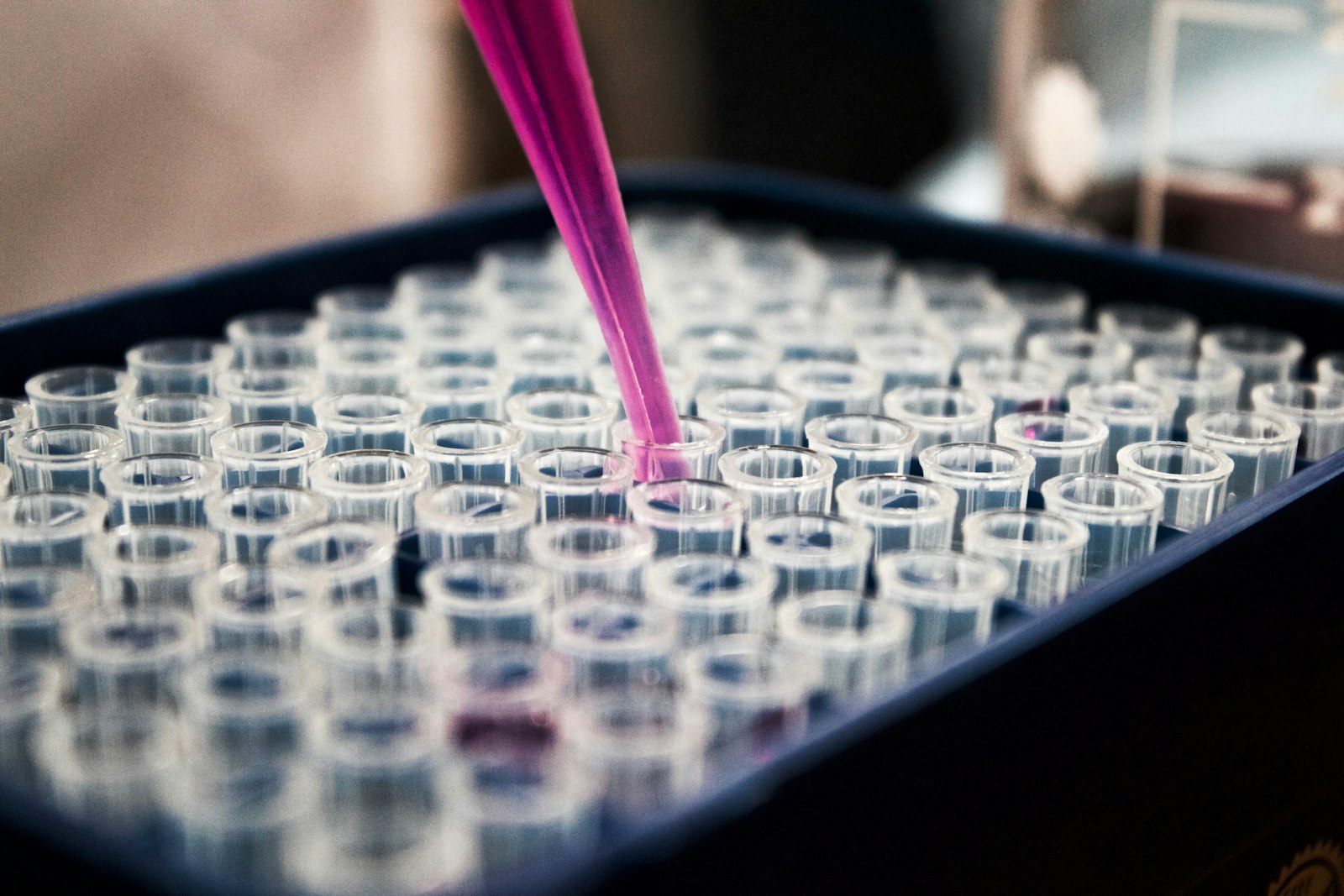
Image: Advanced Oxidation & Electrochemical Water Remediation Reactor Testing