
Updated EU directive introduces biological effect-based toxicity monitoring alongside strict thresholds for Trifluoroacetic Acid (TFA) and pharmaceuticals in surface and drinking water.
In brief
In September 2026, European environmental authorities began phase-one implementation of EU Directive 2026/805, updating chemical pollutant lists across surface, ground, and drinking water. The framework requires member states to adopt bioassay-based toxicity testing and set enforceable limits for short-chain PFAS compounds like TFA.
European environmental agencies have commenced full implementation of EU Directive 2026/805, introducing strict biological effect-based toxicity limits and updated chemical pollutant registries across surface, ground, and drinking water systems.
Shift to Effect-Based Toxicity Monitoring
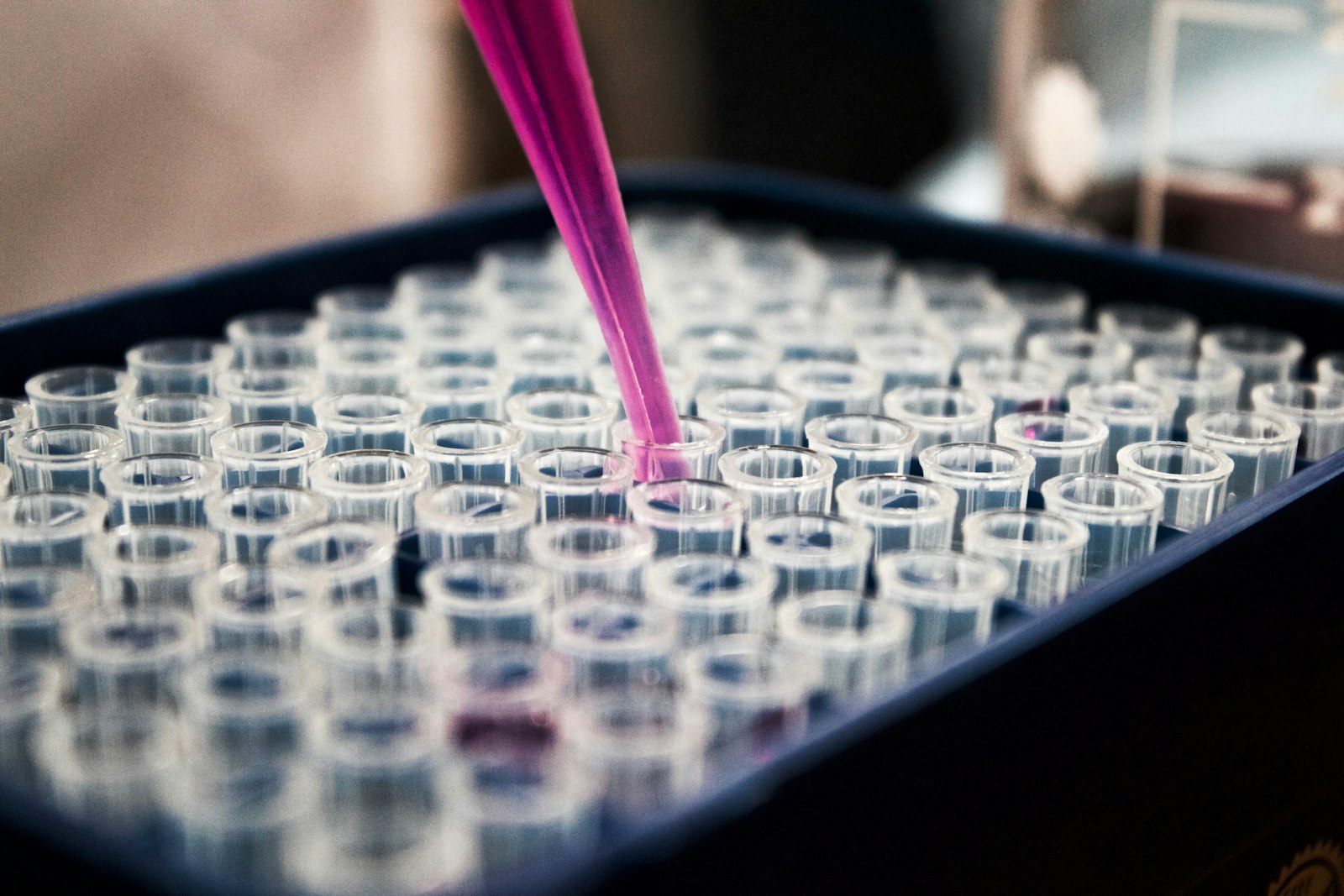
Rather than evaluating chemical contaminants in isolation, the directive mandates effect-based bioassays that assess the cumulative, synergistic toxicity of complex chemical mixtures. Industrial dischargers must ensure their final effluent does not trigger estrogenic, mutagenic, or cellular stress responses in bio-monitoring assays.
Enforceable Limits for Short-Chain PFAS & Trifluoroacetic Acid (TFA)
For the first time, short-chain fluorinated compounds including Trifluoroacetic Acid (TFA)—a persistent breakdown product of refrigerants and industrial fluoropolymers—are subject to legally binding concentration caps. Dischargers operating near public water intakes must deploy specialized ion-exchange or advanced oxidation pretreatment.
Why it matters
Establishes a global precedent by shifting water quality regulation from single-compound chemical detection to combined biological effect monitoring, forcing industrial dischargers to implement advanced micropollutant removal.
Sources
European Commission & ECHA Environmental Water Directive Framework (September 2026)Read original ↗EU Water Framework Directive Update↗Rispri Labs NABL Accredited Trace Water Contaminant Analysis↗Found an error? See the Corrections Policy.
Image: Advanced Oxidation & Electrochemical Water Remediation Reactor Testing