
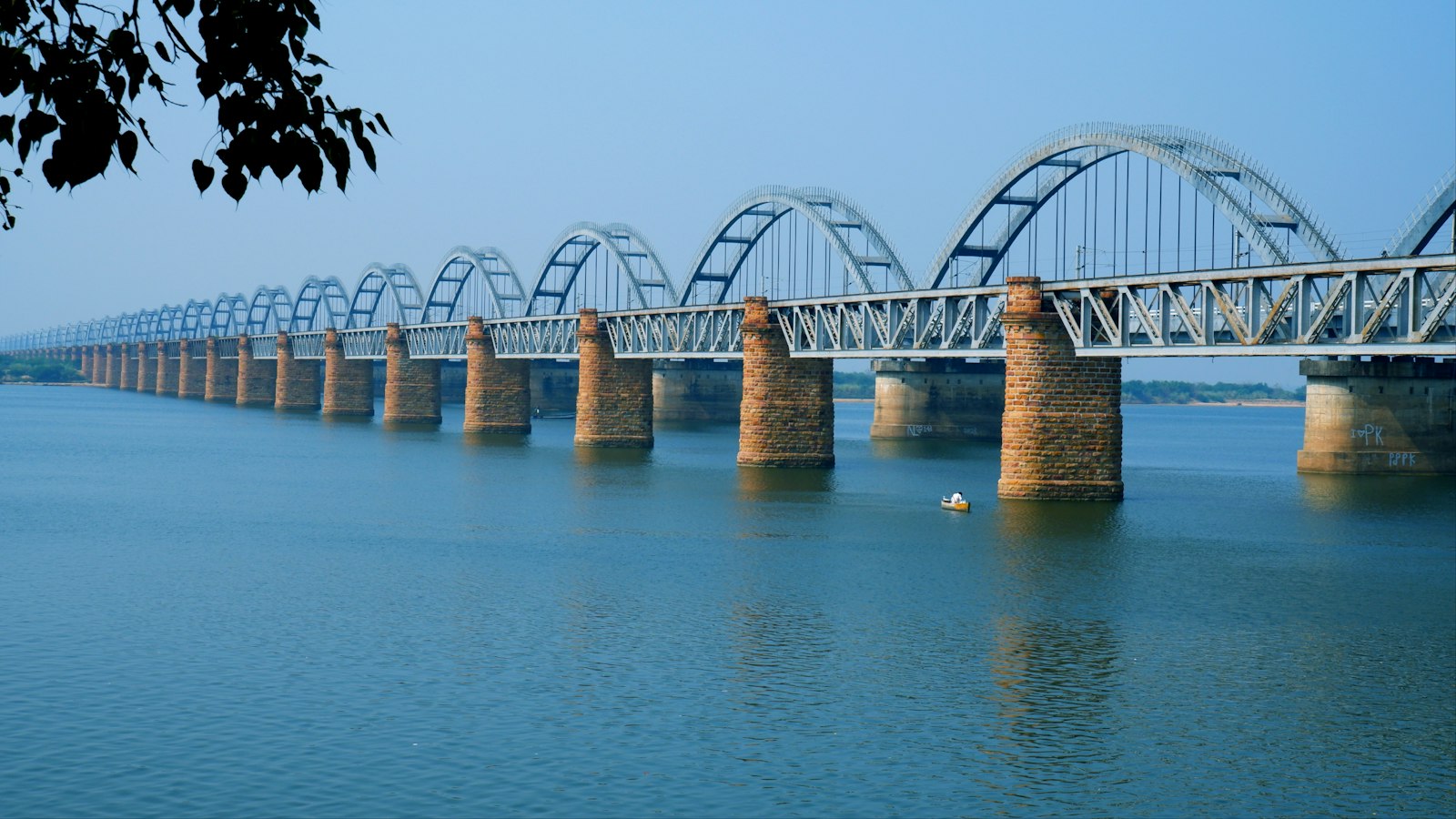
A law student names non-working sewage plants at Ramagundam, Mancherial and Bhadrachalam and asks for independent testing of the river and Hyderabad's Yellampalli reservoir.
In brief
Aakula Sampath Kumar, an activist and law student, has asked the National Green Tribunal to act on sewage entering the Godavari in Telangana. His application says about 199 million litres a day of untreated sewage reaches the river and its streams through more than 50 outlets, and that treatment plants at Ramagundam, Mancherial and Bhadrachalam are not working. Siasat reported the filing on 8 November 2026.
A petition before the National Green Tribunal (NGT) puts a number on how much sewage reaches the Godavari in Telangana. Aakula Sampath Kumar, a local activist and law student, says about 199 million litres a day of untreated sewage flows into the river and the streams, canals and tributaries connected to it. Siasat Daily reported the application on 8 November 2026. Kumar had first gone to the Telangana High Court, which directed him to the tribunal.
Plants that exist but do not work
The application names sewage treatment plants at Ramagundam, Mancherial and Bhadrachalam as not functioning. It also points to weak sewage and drainage systems in Basara, Dharmapuri, Nirmal, Luxettipet, Manthani and Sarapaka. According to the report, the petition says sewage from the Mancherial and Mandamarri municipalities and nearby villages runs into the Rallavagu and Thollavagu streams, which flow into the Godavari.
A drinking-water concern for Hyderabad
Kumar's filing raises the Sripada Yellampalli reservoir, which Siasat describes as an important drinking-water source for Hyderabad. The petition says pollution upstream may affect it. This matters more than usual this year: Hyderabad's water board is planning to draw extra Godavari water because the Singur and Manjeera reservoirs are running low.
What the tribunal is being asked to do
The petition asks for an independent scientific investigation, repair of the sewage plants that are not working, and protection of drinking-water sources. It also seeks independent sampling and accredited laboratory testing of the Godavari, its tributaries and the Yellampalli reservoir, to establish how far contamination has spread and what it means for public health. The report does not mention a hearing date or any response from the state or the municipalities, and the 199 million litre figure is the petitioner's claim, not an official measurement. If the tribunal accepts the application, the usual next step in such cases is a joint inspection and a report from the state pollution control board.
Why it matters
The petition links town sewage to a drinking-water source for Hyderabad, which is already short of water this winter. If the tribunal orders testing and repairs, municipalities along the river will have to show that their sewage plants actually run.
Found an error? See the Corrections Policy.
Image: Vizag Explore / Unsplash